What Is a Hotel Marketing Agency?
A hotel marketing agency is a firm hotels pay to run digital marketing instead of hiring that skill set internally.
Most independent hotels do not have a full marketing department. A general manager might handle social posts between shifts. A front desk manager might update the website once a quarter. A hotel marketing agency fills that gap with people who work on hotel campaigns every day.
These firms range from small local shops serving a handful of nearby properties to larger teams managing dozens of hotel accounts at once. Some specialize by property type, focusing only on boutique hotels or only on large resorts. Others take a generalist approach and adjust their playbook per client.
The relationship usually starts with an audit of your current bookings, website traffic, and OTA mix. From there, the agency proposes a plan built around your goals, whether that's more direct bookings, better local search visibility, or a full rebrand.
Some agencies work project by project, building a single campaign or a new website, then step away once it launches. Others work as an ongoing retainer partner, managing campaigns month over month and adjusting spend as booking patterns shift with the seasons.
What Services Does a Hotel Marketing Agency Actually Provide?
A hotel marketing agency typically covers four core areas: direct bookings, digital advertising, website and content, and reputation and search visibility.
These four buckets show up again and again across agency pitch pages and buyer's guides. Knowing what falls under each one helps you compare proposals fairly, since agencies often use different names for the same underlying work.
Direct Bookings and Metasearch Advertising
This covers work aimed at pulling guests away from OTAs and toward your own booking engine. It usually includes metasearch bidding on platforms like Google Hotel Ads, Trivago, and TripAdvisor. Email campaigns to past guests often fall here too.
An agency doing this well should show you a clear before and after on your direct booking share. Ask for that number specifically during the sales process, not just impressions or clicks.
Digital Advertising and Paid Media
Paid search, paid social, and display ads fall here. Agencies build audiences around travel intent, past guests, or lookalike profiles drawn from your booking data. They run campaigns across Google, Meta, and sometimes travel-specific ad networks.
Retainer size often scales with ad spend. A hotel running a small paid budget may not need a full-service agency for this piece alone.
Website and Content Management
This includes web design, copywriting, photography direction, and ongoing content updates like seasonal packages or blog posts. Some agencies build the site themselves. Others manage content on a platform the hotel already owns.
Ask who owns the final files and the domain if the relationship ends. That answer tells you a lot about how the agency structures its contracts.
Reputation Management and Local SEO
This covers review monitoring, response templates, and local search optimization. It helps the property show up in map results and "near me" searches. It also touches schema markup and Google Business Profile management.
Agencies vary widely here. Some offer a light monthly check-in. Others actively write and post review responses on the hotel's behalf.
What Should You Look For Before Hiring One?
Look for a clear pricing model, property type fit, and a defined scope of work before signing anything.
Owners who skip this step end up locked into a retainer that does not match how the property actually books rooms. A short evaluation up front avoids most of that pain.
Commission Versus Retainer Pricing
Some agencies work on commission, taking a cut of the direct bookings they generate with no upfront fee. This can feel low risk, but it also means the agency's incentives may not match yours in slower seasons.
Others charge a flat monthly retainer or an hourly rate regardless of outcomes. This gives you predictable costs, but it also puts more pressure on you to track results yourself.
A smaller group blends the two, charging a lower base retainer plus a bonus tied to booking performance. Ask directly which model a prospective agency uses, and how they define a "generated" booking, since definitions vary and can inflate reported results.
Property Type and Specialization Fit
An agency built for luxury resorts brings case studies, ad creative, and pricing built around that segment. That same playbook rarely translates to an independent motel, a B&B, or an RV park with a different guest pattern.
Ask for two or three references from properties similar in size and type to yours. A reference call with a similar owner tells you more than any case study deck.
Property type also shapes which channels matter most. A campground or RV park draws guests searching very differently than a downtown boutique hotel. An agency without experience in your category may default to tactics built for someone else's guest.
Why Tech Stack Integration Is the Factor Most Owners Skip
Tech stack integration decides whether an agency's campaigns actually convert, since ads that don't connect to your booking engine or channel manager waste spend.
Google's own summary of this topic lists tech stack integration as a key selection factor, right alongside pricing model and property fit. In practice, it is the factor most owners give the least attention during the sales process. It rarely comes up until something breaks after the contract is signed.
Here is what that looks like day to day. An agency runs a strong metasearch campaign and drives a spike in clicks to your site. If those clicks land on a booking engine showing stale rates, the hotel pays for traffic that never converts. The problem is not the ad, it is the handoff between the ad and the booking engine underneath it.
What Breaks When Campaigns Don't Match Your Booking Engine
Paid campaigns rely on accurate, real-time rate and availability data. Some agencies build landing pages that pull from a spreadsheet instead of your live booking engine. Guests then see rates that do not match what they get at checkout. That mismatch kills conversion and erodes trust in your direct channel, exactly where you want it strongest.
Ask any agency you are evaluating how their campaigns pull rate data. A good answer names your booking engine directly and explains the connection. A vague answer is a warning sign.
What Breaks When Campaigns Don't Match Your Channel Manager
The same issue shows up on the distribution side. An agency may push promotional rates through paid channels without checking your channel manager first. That can create inconsistent pricing across the web, and it can trigger rate parity disputes with OTA partners and confuse guests who see two different prices for the same room.
Questions to Ask Before You Sign
Bring a short list of integration questions into every agency conversation. Ask which booking engine and channel manager they have worked with before. Ask how they pull live rate data, and who is responsible if a campaign sends broken links or wrong pricing to guests.
An agency confident in its answers will walk you through the connection point by point. One that talks only about creative and ad spend, without mentioning your existing systems, has not thought through how their work actually reaches a booking.
What Can You Do Yourself Before Hiring an Agency?
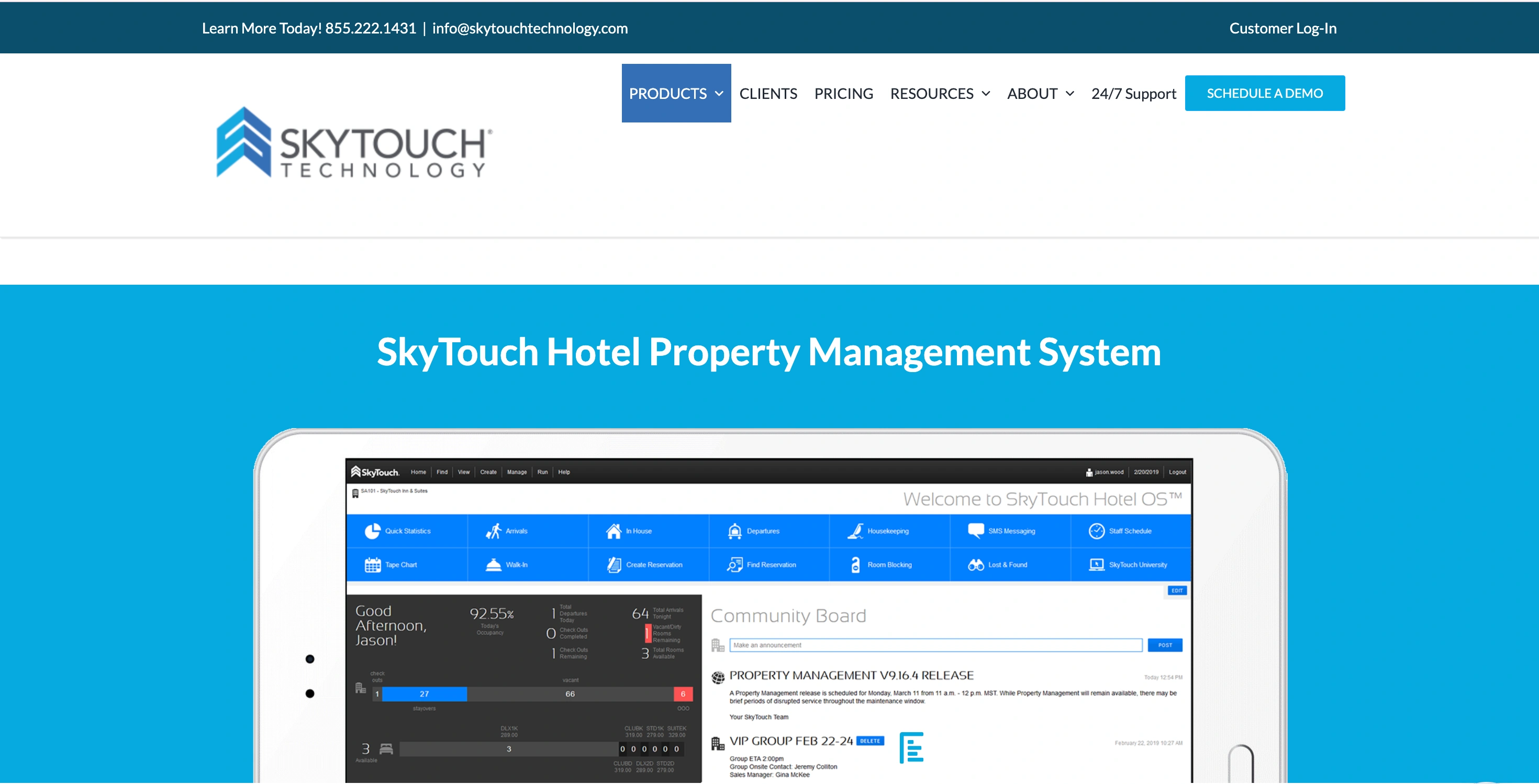
Audit what your current booking engine, channel manager, metasearch presence, and website already handle before paying an agency to rebuild any of it.
Before any sales call, walk through four questions honestly. Can guests already book directly on your website without funneling through an OTA? Is your property already bidding for visibility on Google Hotel Ads, TripAdvisor, or Trivago? Does your current website actually convert visitors into bookings, or does it just look presentable? Does your existing system sync rates and availability across OTA channels automatically, or does someone update it by hand?
An agency pitching "we'll get you more direct bookings" or "we'll boost your metasearch visibility" may be proposing to build something your existing property management software already does. That's not a reason to skip the conversation. It's a reason to walk into it knowing what you're paying for versus what you already have running.
Run this audit against whatever system is in place today, before any proposal gets signed.
Common Mistakes Hotels Make When Choosing an Agency
The most common mistakes are skipping a tech audit, signing long contracts without a trial, and judging agencies on vanity metrics.
Most of these mistakes come from moving too fast during a busy season. A booking slump makes any confident sales pitch sound appealing.
Signing Before Auditing Your Own Tools
Hotels often sign with an agency before checking what their booking engine, channel manager, or website already handles. That leads to paying twice for the same capability, once through a software subscription, and again through an agency retainer.
Committing to a Long Contract Without a Trial Period
A twelve-month contract with no exit clause locks you in early, before you have proof the agency's work fits your booking system and your guests. Ask for a shorter initial term, even three to six months, so you can evaluate real results before renewing.
Judging Success on Clicks and Impressions Instead of Bookings
Traffic and click reports look impressive but do not always reflect actual revenue. Ask every agency to report on direct bookings and revenue generated, and skip the top-of-funnel engagement numbers that are easy to inflate.
A monthly report full of impressions and click-through rates can look like progress even when direct bookings stay flat. Tie every report back to a dollar figure your front desk can confirm.
Ready to See What Your Own Tools Already Cover?
Before signing an agency contract, it is worth confirming what roommaster's Booking Engine, Channel Manager, and Hotel Metasearch already handle for your property. Book a demo to walk through your current setup with the roommaster team.
For more on running marketing campaigns yourself, see roommaster's guide to hotel marketing strategies.
{{cta-strip}}
Frequently Asked Questions
1. What does a hotel marketing agency mean in practice?
Hiring a hotel marketing agency means paying an outside team to run campaigns and manage your website instead of building that skill set in house.
2. How much does a hotel marketing agency cost?
Pricing ranges widely by model. Retainers commonly run from roughly one thousand to ten thousand dollars a month. Commission-based agencies instead take a cut of the direct bookings they generate.
3. Should an independent hotel hire an agency or handle marketing in house?
Staff bandwidth and existing software coverage both play a role. Properties with strong booking engine and metasearch tools in place may only need an agency for paid ads or content, not a full-service contract.
4. What questions should I ask before signing with a hotel marketing agency?
Ask about pricing model, contract length, and exit terms. Also ask how their campaigns connect to your booking engine and channel manager, and request references from similar properties.
5. Does hiring a marketing agency replace the need for a booking engine or channel manager?
No. An agency runs campaigns and content, but it still needs a booking engine to convert traffic, and a channel manager to keep OTA rates accurate.
6. How long does it take to see results from a hotel marketing agency?
Paid campaigns can show early traffic movement within a few weeks. Meaningful shifts in direct booking share and reputation metrics usually take a full booking season to confirm.

.png)
.png)
.png)