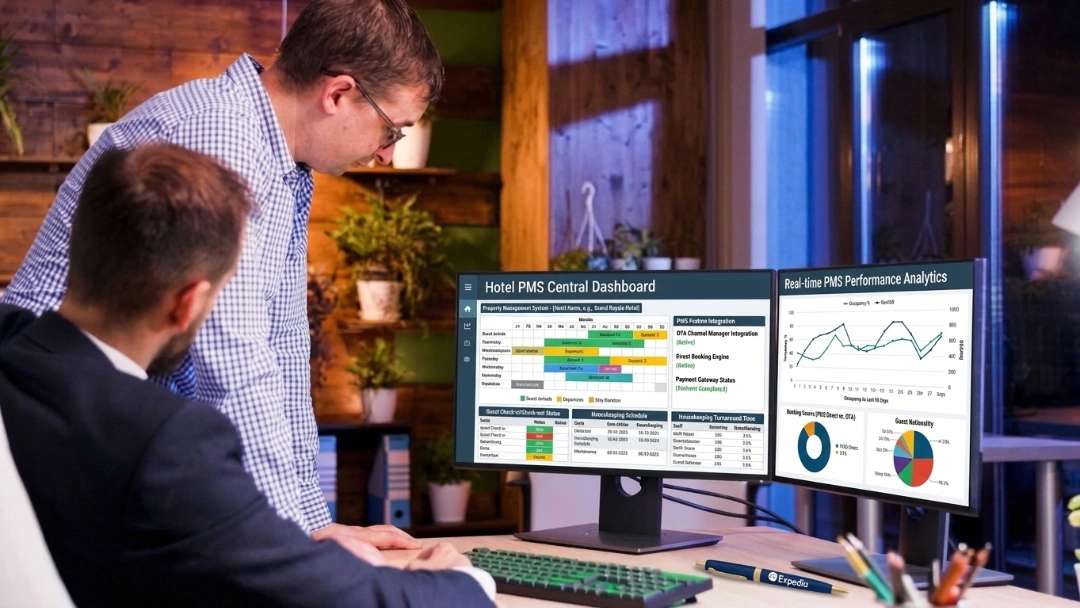
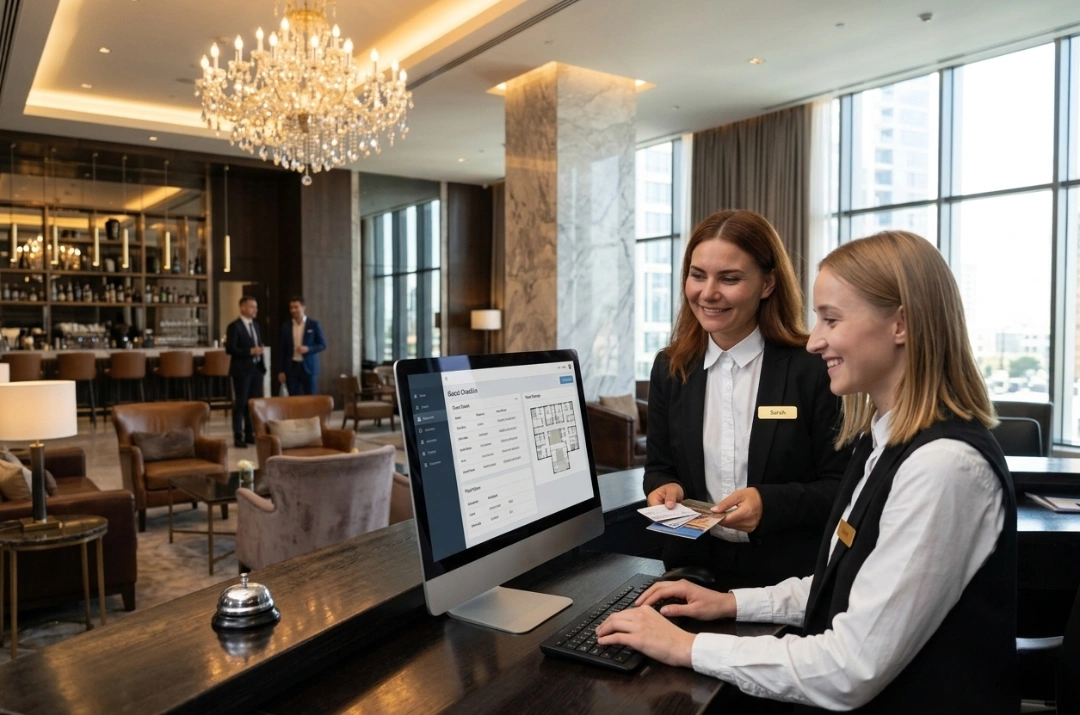
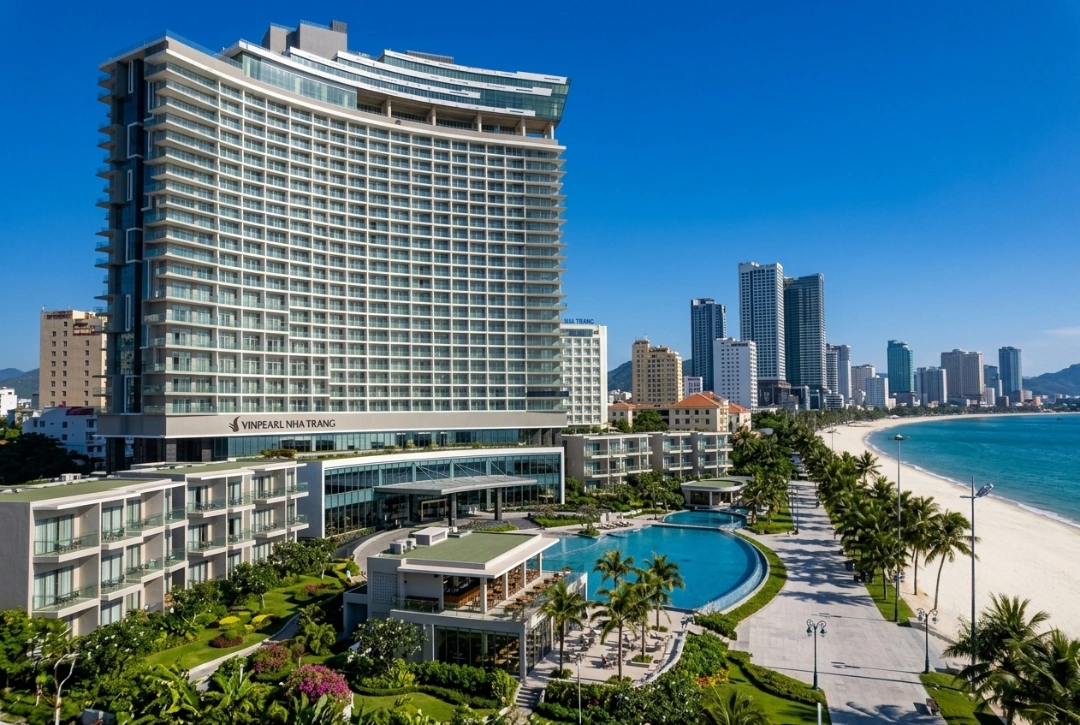
"roommaster makes running Nuvo Suites so much easier, everything’s in one place, from bookings to housekeeping. It’s extremely customisable – they customised everything according to our needs."
Hotels saw strong growth after the pandemic, but bookings steadied in 2024, prompting marketing teams to focus on meaningful guest interactions that build loyalty.
To meet these demands, hotels are turning to AI, data-driven personalization, and PMS tools like roommaster to automate bookings, handle inquiries, and deliver tailored experiences that increase direct bookings and revenue.
Personalization extends across every touchpoint, with the roommaster PMS helping hotels manage distribution, upsells, loyalty programs, and guest communication while leveraging analytics to refine campaigns and drive higher ROI.
roommaster PMS streamlines reservations, automates check-ins and payments, tracks guest preferences, and uses AI, upselling, and dynamic pricing to grow RevPAR effectively.
Hotels witnessed record-high ADRs during the travel surge of 2023, but growth steadied in 2024 as travelers became more price-conscious and selective. Marketing teams in the hospitality industry must now focus on strategies that help attract new guests while keeping current ones engaged through meaningful interactions.
In 2026, hotel marketing trends will center on data-driven personalization, using guest data to design and launch campaigns that reflect what modern travelers truly value. Hotels that study guest preferences and respond with personalized offers will see stronger relationships and higher conversions. The guest experience will go beyond transactions, encouraging repeat stays and deeper emotional connections.
As competition intensifies, properties that combine technology with authentic hospitality will succeed in meeting changing traveler needs while driving steady revenue growth across every stage of the customer journey.
What are Hospitality Industry Trends?
The global hospitality industry faced intense financial strain during the pandemic but has regained a solid footing, with steady progress across all segments. The market grew from $4.67 trillion in 2023 to $4.99 trillion in 2024, reflecting a healthy 6.8% CAGR. On the other hand, travelers have shown renewed enthusiasm for exploration, with 74% planning between one and three domestic trips and 59% planning similar international trips.
Experienced professionals in hospitality businesses recognize that progress demands consistent innovation and careful observation of changing consumer behavior. Competitors across the market continue experimenting with technology, new services, and evolving hospitality trends to effectively meet guest expectations.
To maintain positive momentum, decision-makers must track current and emerging key hospitality trends and find practical ways to apply them across their organizations.
7 Hotel Marketing Trends for 2026
Let’s explore the key marketing strategies that hospitality companies can leverage to enhance their competitive edge, foster customer loyalty, and expand their market share.
Trend #1: Mobile-first travel bookings
In 2026, optimizing your hotel website for mobile is a necessity. With mobile traffic already dominating online behavior, accounting for two-thirds of global travel and hospitality website visits in 2023, ensuring your hotel’s website is fully mobile-responsive is vital for staying competitive. Travelers are looking for fast, convenient, and user-friendly experiences, so your mobile site should offer a seamless booking journey that meets their expectations.
Some of the key features of a mobile-optimized hotel website include:
Speed: Quick page load times to prevent user drop-off.
Simplicity: A streamlined booking process with minimal steps and easy navigation.
Mobile-friendly payment options: Support for digital wallets and flexible payment methods.
Easy navigation: Intuitive design that makes it easy for users to find what they need.
Effective CTAs: Clear, accessible calls-to-action to encourage bookings.
To make sure your website delivers these essential features, a modern, cloud-native hotel property management system (PMS) like roommaster offers a mobile-optimized website builder and hosting platform designed specifically for independent hotels. With roommaster, hoteliers can create professional, responsive websites that integrate seamlessly with the roommaster booking engine to enhance the booking experience.
Offers management: Effortlessly create and highlight promotional offers and exclusive packages with easy-to-use tools.
Trend #2: The adoption of AI-powered marketing
AI is transforming how hotels attract and interact with guests. From personalized recommendations to automated conversations, AI tools are becoming essential for modern hospitality marketing. In fact, nearly 69.1% of marketers already use AI in their operations, and hotels are quickly catching up.
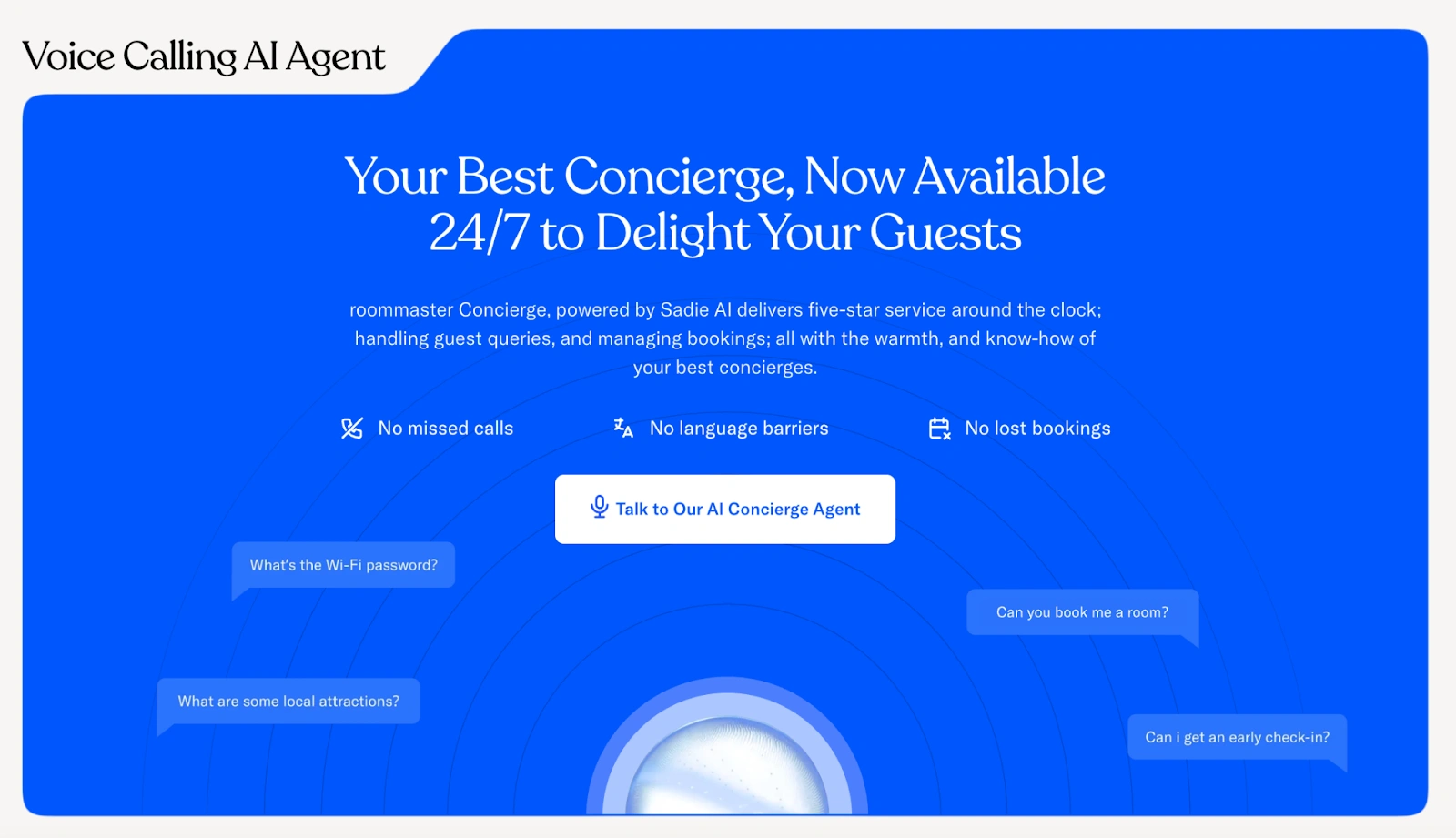
As a modern, fully-updated hotel property management system (PMS), roommaster helps hotels deliver five-star service around the clock by managing bookings, responding to guest queries, and automating tasks that would otherwise require constant attention. The roommaster AI Concierge offers hotels with these benefits:
24/7 booking management: Capture reservations from every time zone and handle routine requests without human intervention.
Multilingual support: Communicate seamlessly with international travelers in their native language, eliminating confusion and barriers to booking.
Smart call handling: Answer standard inquiries automatically while transferring complex questions to staff with full context.
Revenue optimization: Convert more phone inquiries into bookings and identify upselling opportunities at every interaction.
Operational efficiency: Reduce front desk workload during peak periods while maintaining consistent service quality.
However, AI should not replace human warmth. Travelers recognize robotic responses easily, so the key is balance, with using AI for efficiency and humans for empathy. The future belongs to hotels that combine data-driven automation with genuine hospitality.
{{pms-four}}
Trend #3: Personalization meets ROI
Personalization is no longer optional in the hotel business. Modern travelers expect experiences tailored to their interests, preferences, and past interactions. According to a study by Oracle and Skift, more than half (51.5%) of hotel executives already use AI-driven data analytics for personalized marketing.
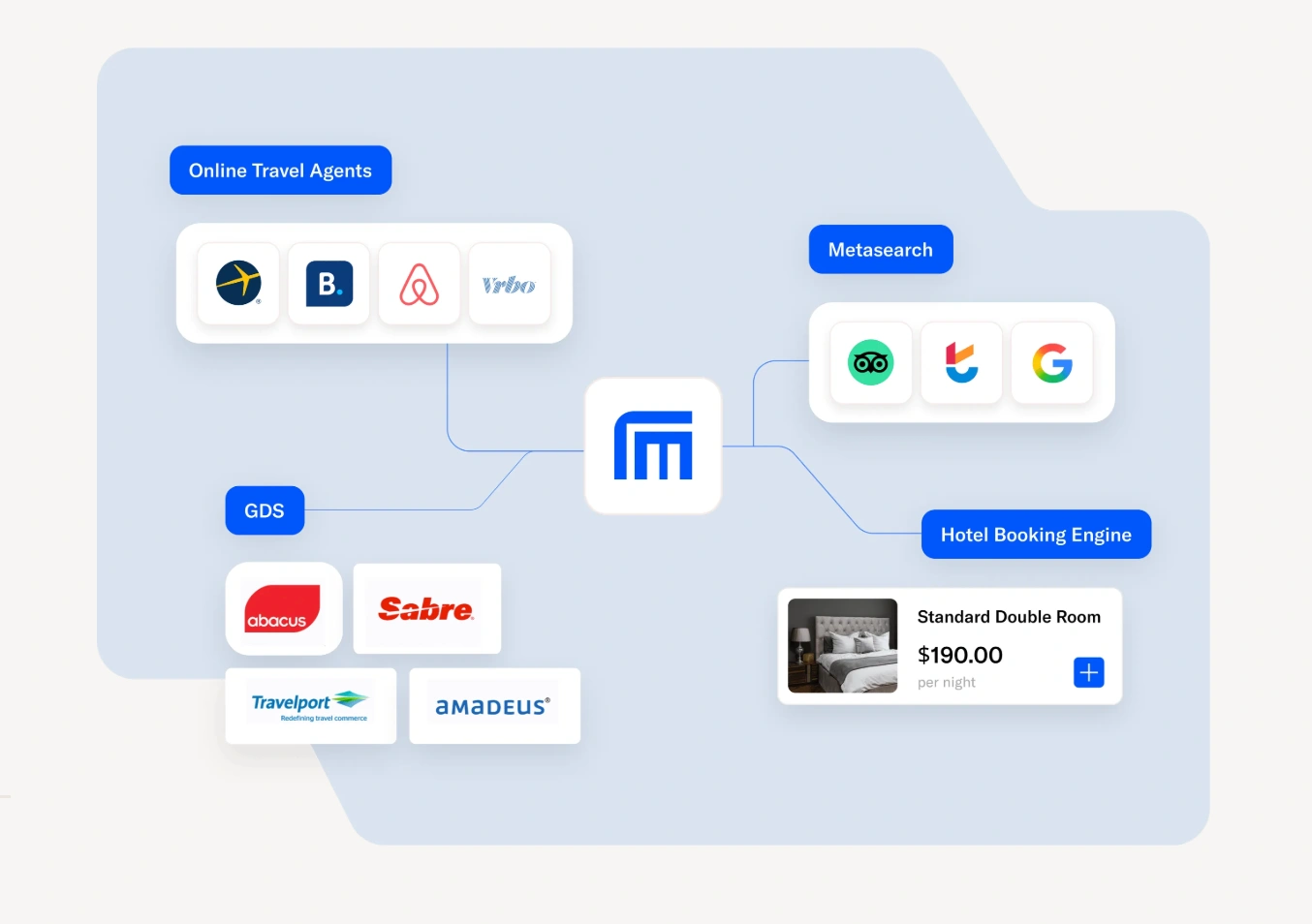
The roommaster Channel Manager supports this approach by connecting hotels to hundreds of online travel agencies (OTAs) and major global distribution systems (GDSs). This automated distribution ensures consistent pricing, synchronized inventory, and detailed performance analytics. Properties using it have reduced distribution time by up to 85%, expanding their market reach and avoiding overbookings.
Hotels can use these insights to build smarter campaigns and target high-value guests across different regions. By understanding where and when guests prefer to book, hotels can refine offers, control revenue strategies, and achieve higher ROI from personalized content.
Trend #4: Authentic content and influencer marketing
Travelers trust authentic content far more than polished ads. The creator economy is worth hundreds of billions, and influencers now shape where people stay and what they book. In fact, recent research shows that 28% of travelers booked a hotel based on an influencer’s recommendation in 2025.
Authors, creators, and guests who share honest experiences are shifting the hospitality industry into a new era of content. On platforms like TikTok and Instagram, this kind of authentic media sparks engagement, inspires bookings, and builds trust. Influencers whose content shows behind‑the‑scenes moments or honest stay reviews often land higher engagement than major celebrity endorsements.
Here’s how hotels can ride this wave:
Encourage user-generated content (UGC) by inviting guests to share photos, reviews, or videos from their stays.
Offer creative incentives, such as discounts, perks, or contests, to motivate participation while keeping vendor costs low.
Collaborate with niche creators who speak directly to your target audience to reach engaged consumers authentically.
Use influencer content to highlight your hotel’s unique stays and local experiences, driving direct bookings instead of relying on OTAs.
Leverage short-form videos, livestream tours, and relatable testimonials to create emotional connections that influence booking decisions.
For example, when a traveler watches a micro‑influencer explore a room, try a dish or chat with your staff, they feel part of the story, and that emotional link matters when picking a stay. Hotels that focus on real voices, content that invites participation, and letting guests become the storytellers will stay ahead.
Trend #5: The departure of traditional search
Search behavior is changing as AI assistants like ChatGPT and Google Gemini provide travelers with highly personalized recommendations and even complete booking assistance. Travelers now rely on conversational AI to ask specific questions, compare prices, and plan trips without traditional search engines.
To keep up, hotels must keep their property information, rates, amenities, and policies accurate and easily accessible to these AI tools to capture bookings effectively. In this context, roommaster helps hotels stay visible by updating inventory across all channels, maintaining real-time pricing, and supporting content that AI engines can reference in summaries or recommendations. Here’s how roommaster helps:
Maintain up-to-date information: Ensure rates, availability, amenities, and policies are accurate across every platform.
Publish detailed content: Provide FAQs and posts about loyalty programs, room upgrades, and local attractions.
Collect guest reviews: Encourage authentic user-generated content to boost credibility and influence AI suggestions.
Feature on trusted sources: Collaborate with travel blogs and review sites to increase the likelihood of AI recommendations.
Hotels that adapt to AI search behavior capture bookings across multiple channels, build stronger direct relationships with travelers, and improve overall market performance.
Trend #6: The rise of upselling and cross-selling
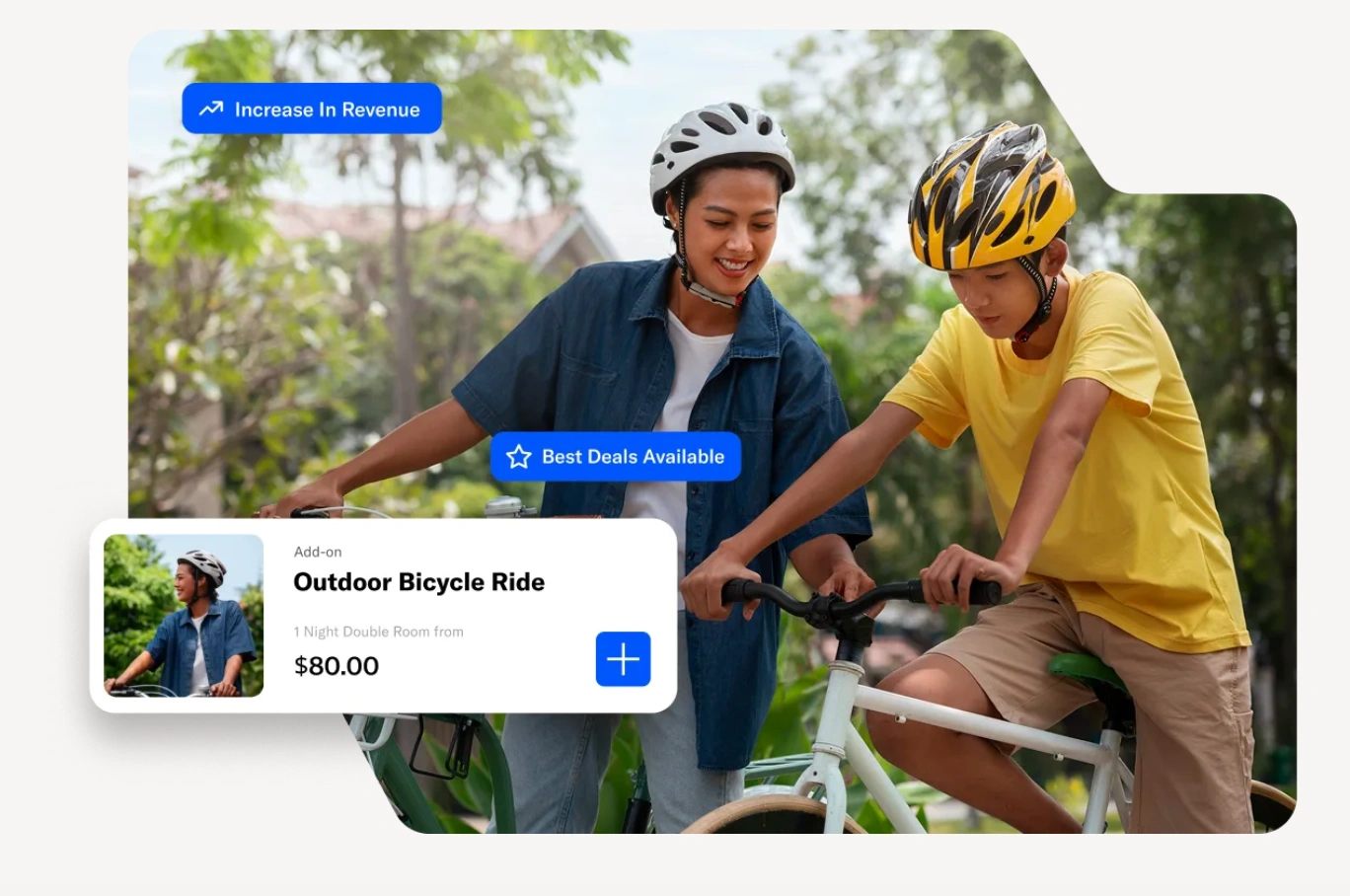
Travelers want personalized experiences, but many face economic constraints and cannot spend freely on extras during trips. Hotels can respond by offering tailored upsells, add-ons, and à la carte services that let guests choose what fits their needs and budgets. These options give travelers control while also increasing hotel revenue.
The roommaster Booking Engine helps hotels capture these opportunities by providing tools to present the right add-ons at the right moment. Here’s how roommaster supports effective upselling:
Offer custom add-ons: Present optional services such as breakfast, early check-in, or spa access during the booking process.
Create packages and promotions: Bundle rooms with experiences or add-ons to encourage higher spending while keeping guests satisfied.
Use multi-channel upselling: Deliver personalized offers on your website and in person through hotel staff.
Track and adjust performance: Monitor which add-ons generate the most interest and revenue to continuously refine offers.
Hotels that implement the roommaster Booking Engine for upselling typically see a 10-30% increase in revenue while building stronger direct relationships with guests. Guests enjoy control over their experiences, and hotels benefit from higher average booking value and satisfied travelers.
{{booking-engine-one}}
Trend #7: Dynamic pricing and rate management
Many independent hotels struggle to react to fluctuating demand, seasonal trends, and booking behavior without losing revenue or leaving rooms empty. Manual rate updates take staff away from guest service and make it difficult to respond to events, holidays, or sudden occupancy changes.
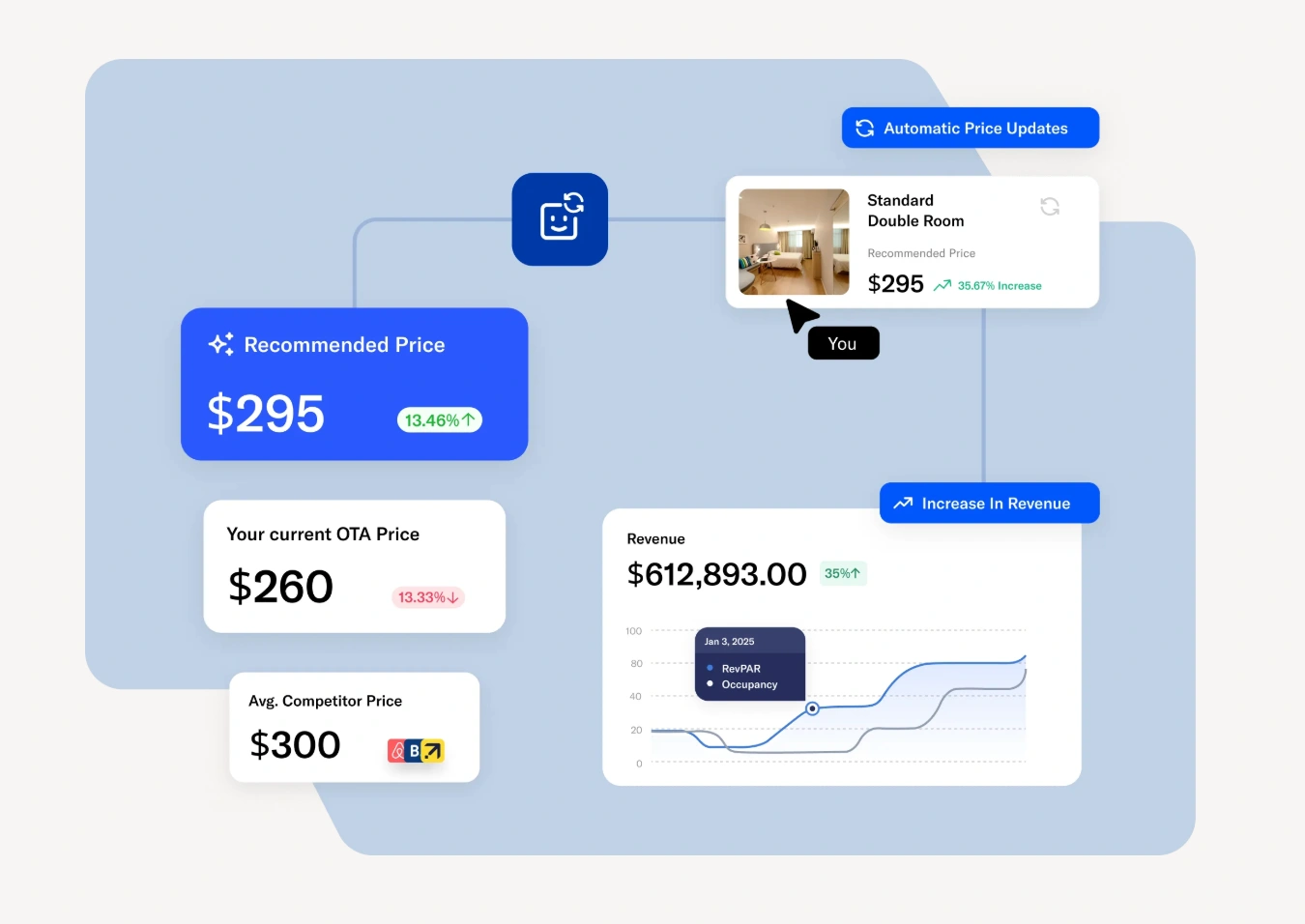
Dynamic pricing allows hotels to adjust rates automatically based on demand, booking windows, and guest types to capture maximum revenue for each reservation. roommaster provides revenue management tools to simplify and improve this process. Here’s how it works:
Automatic rate updates: Set rules for occupancy, special dates, and booking pace so rates change across all channels instantly.
Seasonal and event pricing: Adjust rates for holidays, local events, or peak seasons to attract higher-paying guests while filling slower periods.
Guest segment pricing: Offer different rates for families, business travelers, or loyalty members to increase revenue per booking.
Flexible promotion builder: Create packages, early bird deals, and last-minute discounts to attract bookings while protecting profit margins.
AI-driven revenue management: Integrate with the AI-powered ampliphi RMS to analyze market trends and recommend optimal pricing without manual guesswork.
The best part is that roommaster’s integration with ampliphi RMS often increases revenue per available room (RevPAR) by 35% in the first year. Staff spend less time updating rates manually and more time providing excellent guest service, while hotels maintain competitive pricing and capture high-value bookings.
As hotelier Albert Gijoni said, “We used to guess our rates-now ampliphi updates them in real time. Our RevPAR’s up 30%, and we haven’t touched a spreadsheet in months.”
How to Prepare Yourself for the Future of Hospitality
The hospitality industry changes quickly as guest expectations, market trends, and technology shift constantly. Hotels and hospitality companies cannot adopt every new idea immediately because resources are limited, and some trends may not create value.
However, you can take several concrete steps to understand customer needs, monitor industry developments, and assess internal capabilities before making decisions. These include:
Analyze guest feedback: Review surveys, interviews, and online reviews to identify unmet needs and opportunities to improve service or offerings.
Attend industry events: Participate in conferences, workshops, and webinars to learn from experts and see emerging practices in action.
Monitor publications: Track trade magazines, reports, and newsletters to follow trends in your market segment and competitor activity.
Gather employee input: Conduct team meetings, one-on-one sessions, and surveys to collect ideas and feedback from staff at every level.
Review internal performance: Analyze metrics, compare results with competitors, and identify gaps in efficiency, guest satisfaction, and revenue generation.
Perform trend analysis: Study shifts in customer behavior, competitor activity, and market conditions to determine which changes offer potential benefits.
Collaborate with partners: Discuss trends and technology opportunities with suppliers, peers, and partners to see how their solutions could create value.
When a trend shows potential, use a test-and-learn approach to make data-driven decisions and reduce risks. Start by defining goals, choosing a testing method, establishing measurement metrics, and carefully tracking results. Review findings regularly and adjust practices or offerings based on what works and what does not.
Companies that systematically evaluate trends, test ideas, and act on results consistently improve operations, satisfy guests, and maintain a competitive position in the hospitality market.
Navigate the Future of Hotel Marketing With roommaster PMS
Hotel marketing continues to shift as AI tools, rising guest expectations, and new search behaviors redefine how travelers choose where to stay.
To compete effectively, hotels must combine innovation with authenticity by using technology to personalize experiences, improve visibility, and build stronger guest relationships. The most successful hotels will focus on every stage of the guest journey, from discovery to post-stay engagement, while using automation to simplify operations and improve guest satisfaction.
The modern, fully updated roommaster PMS helps hotels move forward confidently by uniting marketing, operations, and personalization on a single, connected platform that supports direct growth and deeper guest connections. Here’s how roommaster helps hotels stay ahead in modern marketing:
Simplifies the booking process with real-time pricing, instant availability, and a mobile-first interface that increases direct bookings.
Uses guest data to personalize upsells, loyalty programs, and offers based on behavior and past stays.
Integrates with social media marketing tools to attract potential guests and strengthen brand recognition.
Automates guest communications to improve engagement, follow-ups, and satisfaction at every stage of the stay.
Offers built-in analytics that reveal performance trends and help hotels refine their marketing campaigns.
Book a demo today to see how roommaster can help your hotel effortlessly connect technology, guests, and growth.
FAQs
What are the latent trends in the hospitality industry?
Some of the latent trends include AI-powered personalization, dynamic pricing, sustainable practices, and mobile-first booking experiences. Hotels are also seeing increased guest demand for unique, local experiences, flexible services, and technology-driven solutions that simplify bookings and improve satisfaction.
What are the pillars of marketing in the hotel industry?
The main pillars of marketing in the hospitality industry are brand consistency, targeted guest engagement, content marketing, and multichannel distribution. Hotels focus on clear messaging, keeping information up to date across platforms, loyalty programs, and personalized promotions to attract and retain high-value guests.
What are the marketing strategies for hotels?
Hotels use strategies like direct booking incentives, social media campaigns, influencer collaborations, email marketing, and search engine optimization. Combining data-driven pricing, personalized guest offers, and authentic content with hotel property management tools, such as roommaster PMS, helps properties increase bookings and build long-term guest loyalty.
What trends are affecting boutique hotels?
Boutique hotels are focusing on personalized guest experiences, authentic local engagement, and sustainable practices. Digital tools help streamline operations, while creative storytelling and niche offerings attract travelers who value individuality, meaningful stays, and memorable experiences over standardized hotel services.
Is daily room demand expected to rise in 2026-2027?
Yes, industry forecasts indicate a moderate increase in daily room demand across most regions, driven by post-pandemic travel recovery, growing leisure tourism, and rising business travel. New supply will keep coming online in some U.S. markets, which are forecasted to grow by as much as 1.8% in 2026, with 928 new projects and about 101,796 rooms. Hotels that invest in technology, including roommaster PMS, alongside smart marketing and flexible booking strategies, are best positioned to capture this growth.
What are the biggest hotel marketing trends?
Hotel marketing trends include personalized experiences powered by guest data, influencer and user-generated content, AI-driven booking and pricing tools such as roommaster PMS and the ampliphi RMS, mobile-first engagement, and loyalty programs that strengthen repeat stays while encouraging direct bookings and higher revenue per room.
{{cta-strip}}
booking-engine-one
Capture more direct bookings with a fast, reliable booking engine.
Mayela Lozano is a content strategist with a passion for hospitality and technology. She collaborates with roommaster on content creation, highlighting how technology can streamline hotel operations and enhance guest satisfaction. When she’s not creating content, Mayela loves to travel and spend time with her two little ones, discovering new adventures and making memories along the way.
Join Thousands of Hotels Thriving with roommaster
The transition to roommaster is straightforward and efficient. Our implementation team handles data migration including reservations, guest profiles, and historical information.
The transition to roommaster is straightforward and efficient. Our implementation team handles data migration including reservations, guest profiles, and historical information.
How Hotel PMS Software Transforms Hospitality Management
September 23, 2026
Hospitality Trends
Best Hotels in New Orleans: A Complete Guide 2026
September 10, 2026
Hospitality Trends
Best Hotels in Philadelphia: A Complete Guide 2026
September 10, 2026
Hospitality Trends
Best Hotels in San Francisco: A Complete Guide 2026
September 10, 2026
Hospitality Trends
Best Hotels in Los Angeles: A Complete Guide 2026
September 10, 2026
Hospitality Trends
Best Hotels in San Diego: A Complete Guide 2026
September 10, 2026
Hospitality Trends
Best Hotels in Washington DC: A Complete Guide 2026
September 10, 2026
Hospitality Trends
Best Hotels in Las Vegas: A Complete Guide 2026
September 10, 2026
Hospitality Trends
Best Hotels in Chicago: A Complete Guide 2026
September 10, 2026
Join Thousands of Hotels Thriving with roommaster
See how roommaster's unified platform can work for your property. Our team will walk you through features tailored to your specific needs and operations.


.png)
.png)
.png)