Digital-first marketing is essential. With most bookings happening online, hotels must prioritize digital visibility through SEO, social media, and optimized websites.
A high-performance hotel website is your strongest sales tool. Ensure it’s mobile-friendly, visually appealing, and integrated with a seamless booking engine to boost direct bookings.
Local visibility drives conversions. Maintain an updated Google Business Profile and focus on local SEO to attract nearby travelers and stand out in searches.
Social media builds brand personality. Share authentic content—guest stories, videos, and behind-the-scenes posts—to engage travelers emotionally.
Content marketing fuels long-term growth. Create informative, destination-focused blogs and guides that position your hotel as an expert in the area.
Paid ads amplify reach. Google Hotel Ads and SEM campaigns can directly compete with OTAs by targeting high-intent travelers
Video storytelling converts. Showcase your property through immersive videos that capture real guest experiences.
Guest feedback equals credibility. Encourage and display reviews to build trust and influence booking decisions.
Loyalty and referral programs retain guests. Personalized perks foster long-term relationships and repeat business.
Embrace innovation. Technologies like AI chatbots and AR experiences are shaping the next era of hotel marketing—enhancing engagement and efficiency.
The hospitality industry is undergoing a rapid transformation as modern marketing trends redefine how hotels attract and retain guests. While traditional marketing methods still hold value, digital strategies have taken center stage, driven by changing consumer behaviors and technological advancements. With online bookings accounting for an ever-growing share of hotel revenue, a robust, well-planned marketing strategy is no longer optional. Hoteliers must focus on innovation, adaptability, and guest-centricity to thrive in this competitive landscape. Modern hotel management software provides the integrated tools necessary to execute and measure these digital-first marketing strategies effectively.
1. Build a High-Performance Hotel Website
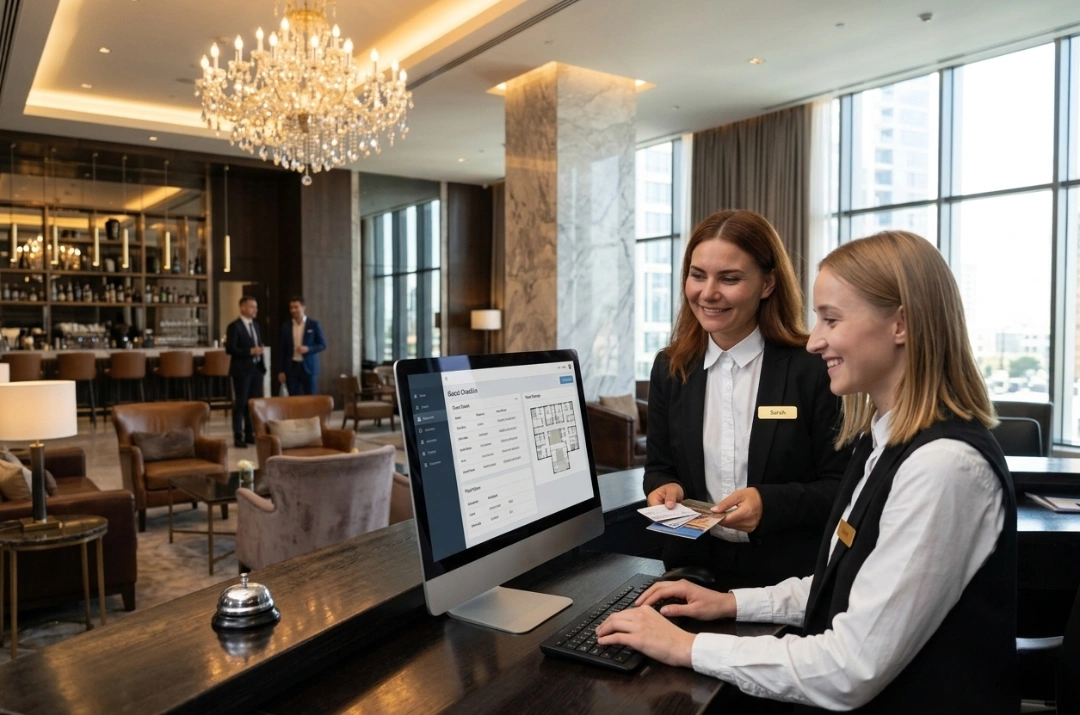
Your website is your hotel's digital storefront and often the first point of interaction for potential guests. An optimized, visually appealing, and mobile-friendly website is crucial to establishing credibility and driving direct bookings.
Best Practices:
Use high-quality images and virtual tours to showcase your property.
Ensure your website is mobile-responsive for easy browsing on all devices.
Highlight direct booking perks such as discounts or complimentary services.
An updated and well-maintained Google Business Profile (formerly Google My Business) helps ensure your hotel appears in local search results, complete with accurate contact information, guest reviews, and directions. This visibility builds trust and makes it easy for travelers to find your property.
3. Optimize for Search Engines
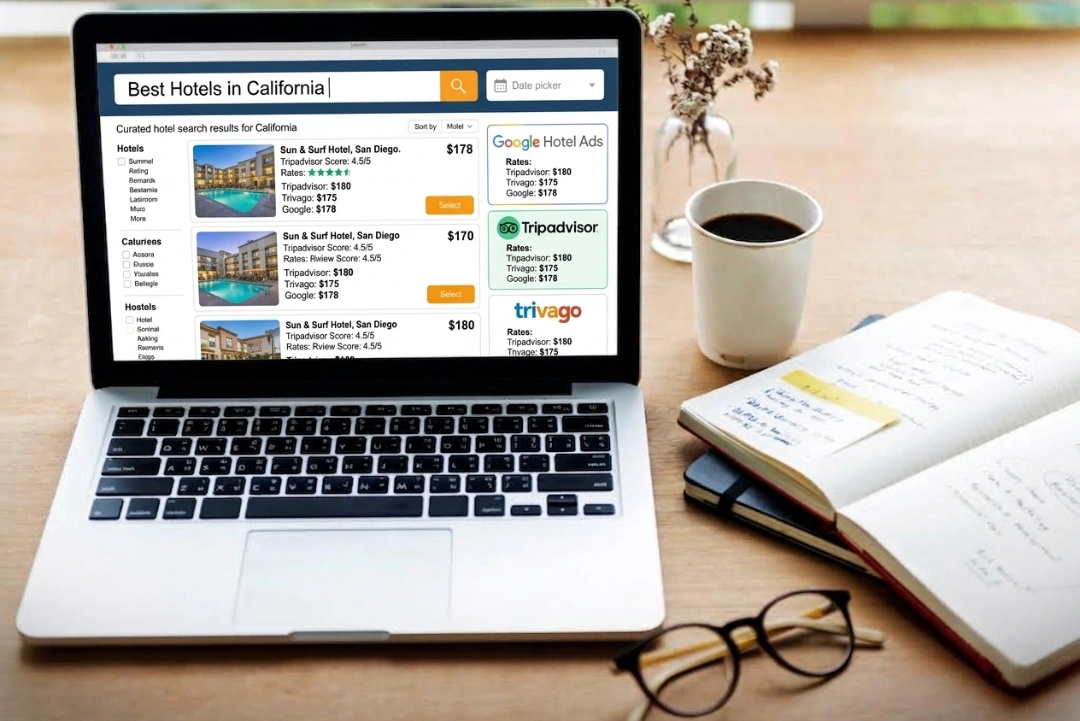
Search Engine Optimization (SEO) is key to improving your website’s ranking on Google and other search engines. Incorporating keywords like “best hotels in [location]” or “family-friendly accommodations near [landmark]” ensures your hotel appears in relevant searches.
Pro Tips:
Use on-page SEO techniques, such as optimizing meta tags and headers.
Regularly update your blog with destination-specific content.
Focus on local SEO strategies to attract nearby travelers.
4. Embrace Social Media Marketing
With billions of active users on platforms like Instagram, Facebook, and TikTok, social media offers unparalleled opportunities to engage with your audience and boost visibility.
How to Maximize Social Media Impact:
Share user-generated content such as guest photos and reviews.
Use Instagram Reels or TikTok videos to showcase unique experiences at your property.
Run holiday-themed campaigns to connect with seasonal travelers.
5. Invest in Content Marketing
Compelling content drives traffic, educates potential guests, and builds trust. Create blog posts, videos, infographics, and travel guides tailored to your audience’s interests.
Examples:
"Top Attractions Near Our Hotel"
"How to Plan the Perfect Weekend Getaway"
Seasonal content, like "Best Winter Activities Near [Your Location]"
6. Explore Paid Advertising
Search Engine Marketing (SEM) and Google Hotel Ads allow you to compete with OTAs by securing prime ad placement. A hotel channel manager ensures your rates and availability stay consistent across all platforms while your advertising campaigns drive traffic. Targeted campaigns ensure you reach the right audience with enticing offers.
7. Prioritize Video Marketing
Video content captures attention and showcases your hotel’s unique features in an engaging format. Highlight your property, amenities, and guest experiences through professionally produced videos or authentic, behind-the-scenes footage.
8. Highlight Guest Reviews
Online reviews are powerful decision-making tools for travelers. Your property management system can help track and manage guest feedback across platforms. Displaying positive guest feedback on your website and social platforms builds credibility and encourages new bookings.
9. Implement Loyalty and Referral Programs
Rewarding repeat guests with perks like free upgrades or exclusive discounts fosters loyalty. Referral programs incentivize satisfied guests to recommend your property to others, expanding your reach.
10. Explore Emerging Technologies
The future of hotel marketing lies in innovative solutions like augmented reality (AR) and AI-driven chatbots. AR enables virtual tours, while chatbots provide instant responses to guest inquiries, enhancing convenience and engagement.
Conclusion
The key to thriving in 2026 and beyond lies in adopting a mix of traditional and innovative marketing strategies. By focusing on digital-first approaches, leveraging emerging technologies, and staying guest centric, hotels can capture a larger share of the market and boost profit.
FAQs
1. Why is digital marketing more effective than traditional hotel advertising?
Because travelers now plan and book primarily online. Digital channels allow for precise targeting, measurable ROI, and real-time engagement—something print or billboard ads can’t match.
2. How can small hotels compete with large chains using digital marketing?
By focusing on authenticity, local SEO, and niche storytelling. Independent hotels can personalize their content and offer unique experiences that resonate with travelers seeking authenticity.
3. What’s the most important part of a hotel website?
A fast, mobile-friendly design with a secure, easy-to-use booking engine. This ensures potential guests can move from discovery to booking in just a few clicks.
4. How often should hotels post on social media?
Consistency matters more than frequency. Aim for 3–5 engaging posts per week that highlight your property, local attractions, and seasonal offers.
5. How can video marketing increase bookings?
Videos create emotional connections by showing—not telling—what guests can expect. A well-produced video can increase website engagement and direct booking conversions.
Mayela Lozano is a content strategist with a passion for hospitality and technology. She collaborates with roommaster on content creation, highlighting how technology can streamline hotel operations and enhance guest satisfaction. When she’s not creating content, Mayela loves to travel and spend time with her two little ones, discovering new adventures and making memories along the way.
Join Thousands of Hotels Thriving with roommaster
The transition to roommaster is straightforward and efficient. Our implementation team handles data migration including reservations, guest profiles, and historical information.
The transition to roommaster is straightforward and efficient. Our implementation team handles data migration including reservations, guest profiles, and historical information.
Best Hotel Management Software in 2026: 10 Top-Rated Tools Compared
October 15, 2026
Hotel Management
Hospitality Trends
Hotel Check-In Kiosk: Enhance the Guest Experience
October 5, 2026
Hospitality Technology
Hotel Management
Hospitality Trends
Hotel Self Check-In: How It Works, Types, Benefits And Setup
October 1, 2026
Hotel Management
Hospitality Trends
Hotel Check-In & Check-Out Times Explained
October 1, 2026
Hospitality Trends
Hotel Management
Cloud-Based Property Management System: Hotel PMS
October 1, 2026
Hotel Management
Cloud PMS
Hotel Management System (HMS): A Complete Guide
September 23, 2026
Hospitality Trends
Hotel PMS
Cloud PMS
Hotel PMS Integration: How It Works for Hotels
September 23, 2026
Hospitality Trends
Hospitality Technology
Hotel PMS
Hotel Management
Cloud PMS
How Hotel PMS Software Transforms Hospitality Management
September 23, 2026
Marketing
Online Bookings
Hotel Metasearch Strategy: 8 Tactics That Drive Direct Bookings
September 22, 2026
Hotel Management
Marketing
Pet-Friendly Hotel Amenities & Package Ideas That Drive Revenue
September 22, 2026
Join Thousands of Hotels Thriving with roommaster
See how roommaster's unified platform can work for your property. Our team will walk you through features tailored to your specific needs and operations.


.png)
.png)
.png)