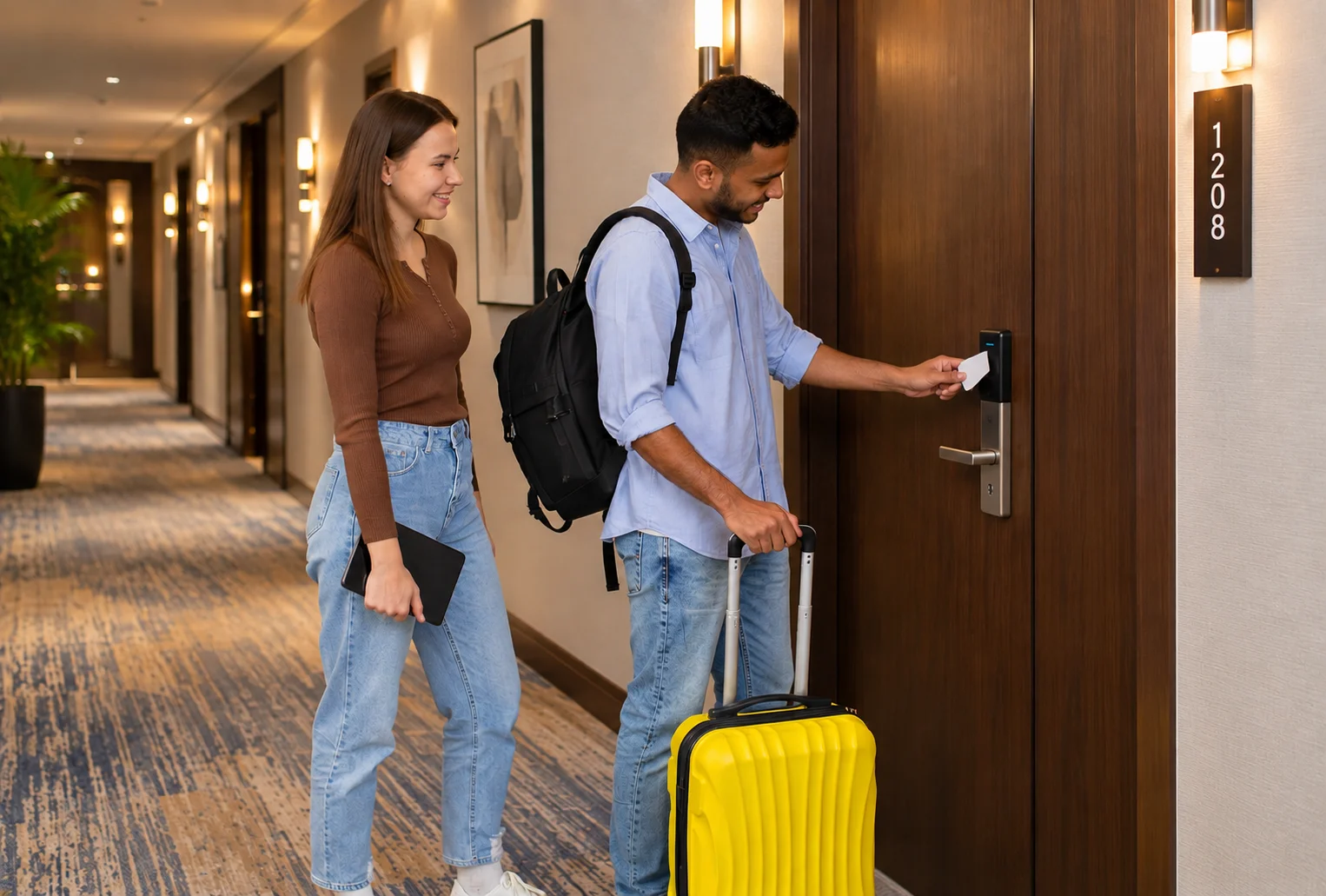
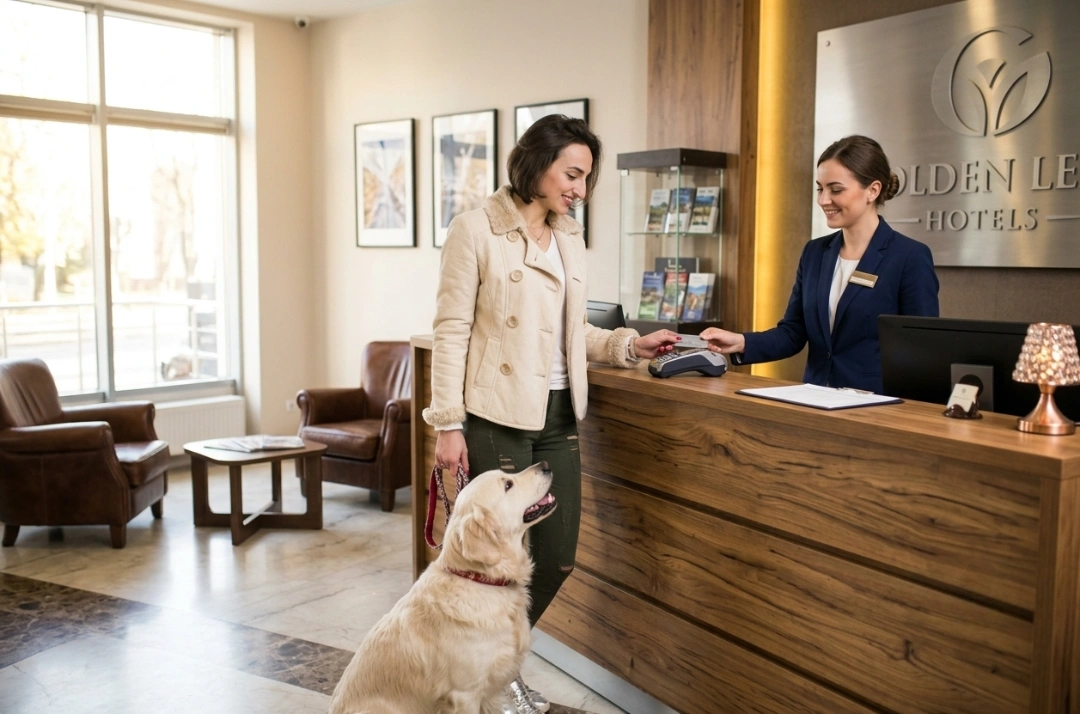
Most hotels set check-in at 3 PM to 4 PM and check-out at 11 AM to 12PM. See standard times in the US, Canada, UK and Australia, plus how early check-in, late check-out and deposit holds work.
Standard times: most hotels set check-in at 3 PM to 4 PM and check-out at 11 AM or 12 PM. Budget hotels and motels often allow check-in from 2 PM.
Times vary by country: US and Canadian hotels usually start check-in at 3 PM or 4 PM, UK and Australian hotels often start at 2 PM, and 10 AM check-out is common in Australia.
Standard times exist for operational efficiency. The gap between check-out and check-in gives housekeeping time to clean, inspect and restock rooms.
Early check-in and late check-out depend on availability. Many hotels offer them free when rooms are ready, while others charge a fee.
Check-in needs ID, a payment card and the minimum age. Most hotels place a deposit hold on your card for incidentals.
Flexibility can earn revenue. Paid early check-in, late check-out and packages raise guest satisfaction and income.
Clear policies prevent revenue loss. Defined cancellation rules, late fees and dynamic rates help hotels handle overstays and no-shows.
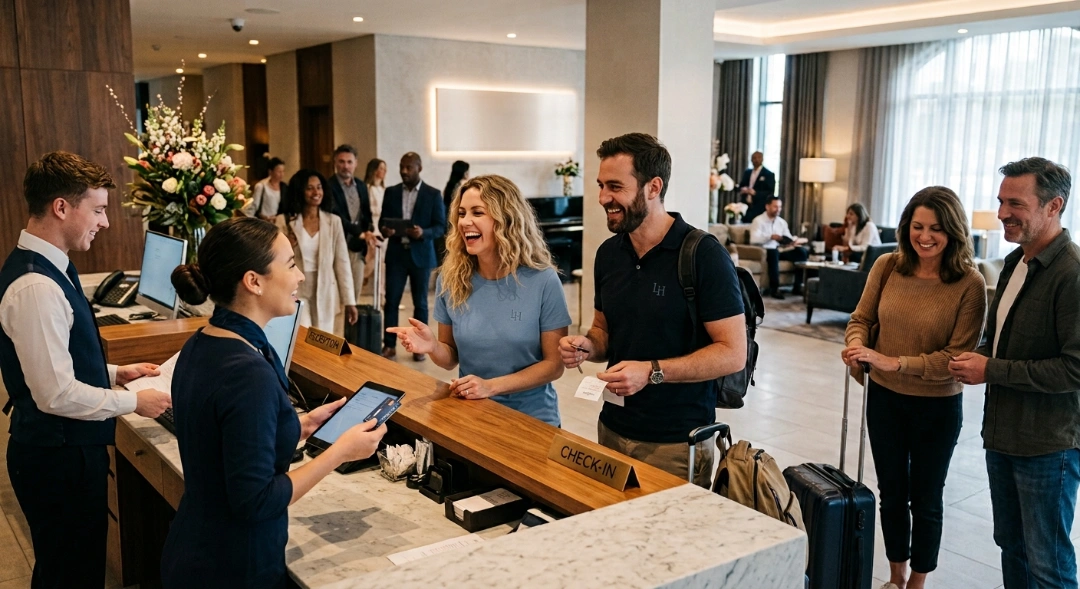
It's a hectic Friday afternoon, and your lobby is full of visitors waiting to check in while others wait in line to check out. The phones keep ringing with guests asking for early check-in or late check-out. At the same time, the housekeeping team is rushing to get rooms ready, and your front desk staff is handling several tasks at once. Sound familiar? For hotel owners, sticking to rigid time slots can feel like a challenge. Guests arrive at all hours, and the pressure to meet their specific needs can strain operations.
But when managed well, flexibility can drive revenue, raise guest satisfaction and streamline operations. In this article, we'll cover standard hotel check-in and check-out times in the US, Canada, the UK and Australia, how check-in and check-out work, how to handle early and late requests, and and how hotel check-in software can optimize the process.
What Is The Standard Hotel Check-In Time?
Standard hotel check-in time is 3:00 PM, though some hotels set it at 4:00 PM and many budget hotels and motels allow check-in from 2:00 PM. Standard check-out time is 11:00 AM to 12:00 PM. Times vary by hotel type, brand and country.
The exact times are always listed on the hotel's website, the booking confirmation and the OTA listing. Here's what to expect by property type:
Property type
Typical check-in time
Typical check-out time
Chain and full-service hotels
3 PM to 4 PM
11 AM to 12 PM
Budget hotels and motels
2 PM to 3 PM
10 AM to 11 AM
Luxury hotels and resorts
3 PM to 4 PM
11 AM to 12 PM
Extended-stay hotels
Around 3 PM
Around 11 AM
B&Bs and inns
3 PM to 5 PM, often within a set arrival window
10 AM to 11 AM
Vacation rentals
3 PM to 4 PM
10 AM to 11 AM
Times are typical ranges. Individual properties set their own policies.
Quick Tips For Early Arrivals, Late Arrivals And Late Check-Out
Arriving early, arriving late or leaving after check-out time? These tips help you plan around standard hotel hours.
Ask for early check-in in advance: contact the hotel a day or two before you arrive, or use mobile check-in if the hotel offers it. Early access depends on room availability and whether housekeeping has finished your room.
Book the previous night to guarantee a very early arrival: if you land at 5 AM or 6 AM, reserving and paying for the night before is the only way to be sure a room is ready.
Leave your bags at the front desk: most hotels store luggage for free before check-in and after check-out, so you can explore without carrying everything.
Tell small properties if you'll arrive late: large hotels usually have 24-hour front desks, but many inns, B&Bs and regional motels close reception around 10 PM. Let them know your arrival time and ask about self check-in.
Request late check-out early: ask at check-in or the day before you leave. Many hotels give an extra hour or two free when they're quiet, while later departures may cost a fee depending on demand and your loyalty status.
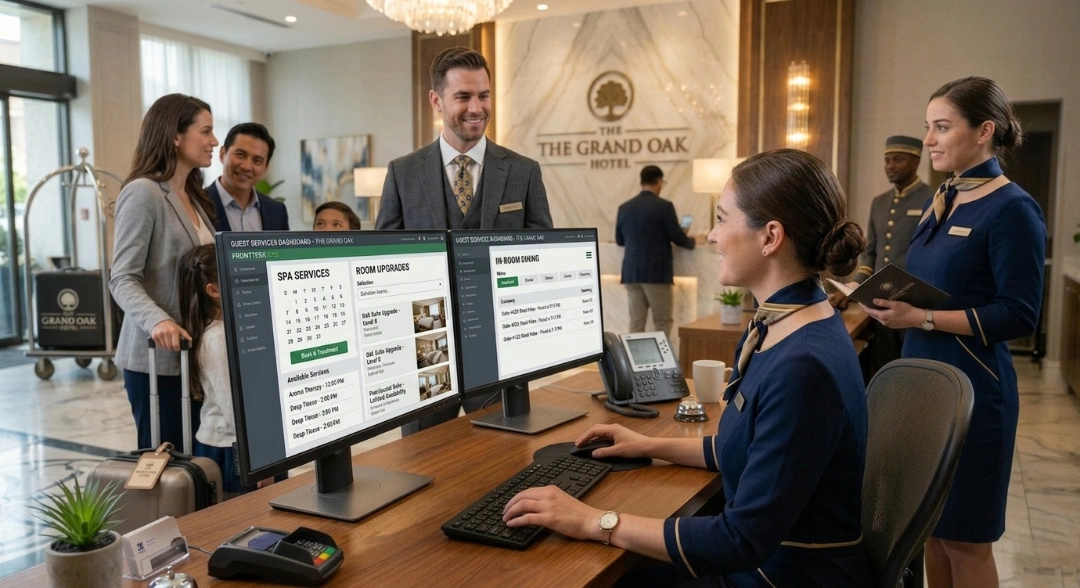
{{pms-one}}
Why Do Hotels Have Standard Check-In And Check-Out Times?
Hotels set standard times mainly for operational reasons. Check-in usually starts at 3 PM, and check-out is typically between 11 AM and 12 PM.
The 3 to 4 hour gap between them is the turnaround window. Housekeeping uses it to clean, sanitize, inspect and restock every room that was occupied the night before, before the next guests arrive. Set times also help managers plan staff shifts and tasks. Without clear times, overlapping stays cause delays and make hotel operations less efficient.
But guest expectations are changing. A 2024 study by Booking.com found that 23% of travelers worldwide prefer the option to check out later and are willing to pay more for it, which helps improve guest experience and satisfaction. Guests now expect more flexibility, so many hotels are adjusting their policies and using digital check-in to protect operational efficiency.
Hotel Check-In And Check-Out Times In The US, Canada, UK And Australia
Standard times follow similar patterns in all four countries, but there are clear differences, especially for check-out.
Country
Typical check-in time
Typical check-out time
Good to know
United States
3 PM to 4 PM
11 AM to 12 PM
Resorts and casino hotels often use 4 PM check-in
Canada
3 PM to 4 PM
11 AM to 12 PM
Ski resorts may set later check-in on busy changeover days
United Kingdom
2 PM to 3 PM
10 AM to 12 PM
B&Bs and country inns often set arrival windows
Australia
2 PM to 3 PM
10 AM to 11 AM
10 AM check-out is common at motels and mid-scale hotels
A. Hotel Check-In And Check-Out Times InUnited States
Most US hotels set check-in at 3 PM and check-out at 11 AM or noon. Large resorts, casino hotels in places like Las Vegas, and busy city hotels in New York or Orlando often push check-in to 4 PM to give housekeeping a longer window. Many roadside motels and budget hotels allow check-in from 2 PM. Most large US hotels have a 24-hour front desk.
B. Hotel Check-In And Check-Out Times InCanada
Canadian hotels follow almost the same schedule as the US: check-in from 3 PM or 4 PM and check-out at 11 AM or noon. City hotels in Toronto, Vancouver and Montreal usually match US chain standards. Ski resorts and mountain lodges in places like Whistler or Banff may set later check-in times on busy changeover days. Some small inns and lodges have limited front desk hours.
C. United Kingdom
UK hotels commonly allow check-in from 2 PM or 3 PM, with check-out between 10 AM and 12 PM. City business hotels in London, Manchester and Edinburgh often use 11 AM or noon. B&Bs, guesthouses and country inns may set a specific arrival window, such as 3 PM to 8 PM, and an earlier check-out. Overseas guests should expect to show a passport at check-in, since UK hotels are required to keep records of guests' nationality.
D. Australia
Australian hotels and motels typically offer check-in from 2 PM or 3 PM, and 10 AM check-out is common, especially at motels and mid-scale properties. Many four and five-star hotels in Sydney, Melbourne and Brisbane use 11 AM to match international expectations. Regional motels may have shorter reception hours, so late arrivals should confirm self check-in options in advance.
Hotel Check-In Process Step By Step
Knowing what happens at the front desk makes check-in faster for guests and smoother for staff.
Arrive at or after check-in time: if you're early, ask whether a room is ready or leave your bags with the front desk.
Share your booking details: give your name and confirmation number, or the name of the OTA you booked through.
Show photo ID: the front desk checks that your ID matches the name on the reservation.
Provide a payment card: staff take a deposit hold or pre-authorization for incidentals, even if the room is prepaid.
Confirm stay details and policies: the front desk confirms your dates, room type, rate and check-out time, and may ask you to sign a registration card.
Receive your keys: you'll get a key card or a digital key in the hotel's app, plus information on Wi-Fi, breakfast, parking and amenities.
Many hotels now let guests share booking details, ID and payment online before arrival, so check-in at the desk takes only a minute or two. Read our guide to hotel self check-in to see how it works.
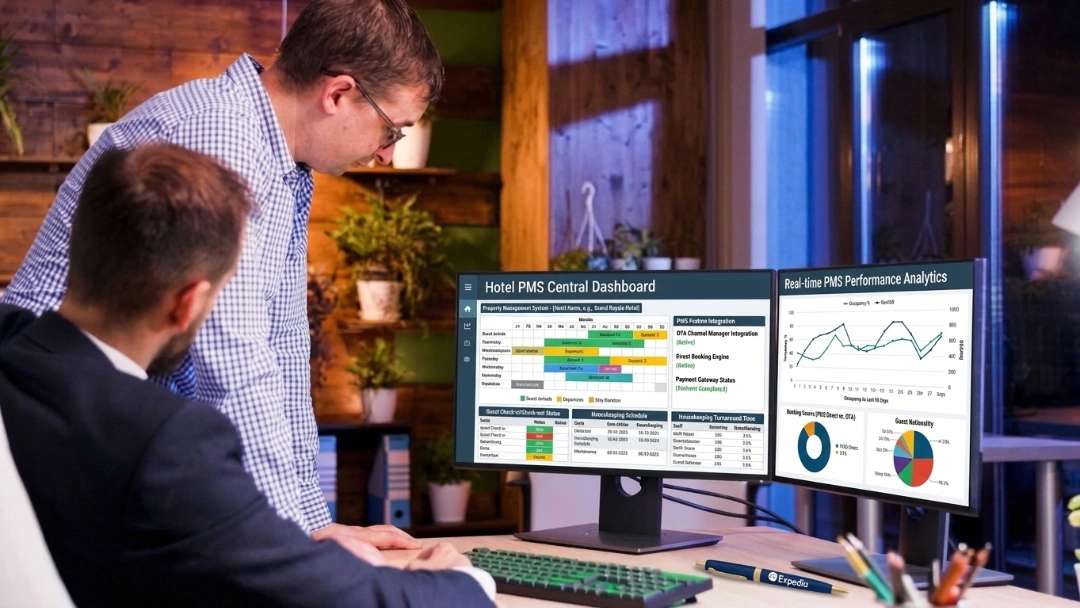
{{pms-two}}
What You Need To Check In To A Hotel
Check-in is faster when you have the right documents ready.
Photo ID: a driver's licence, passport or other government-issued ID matching the name on the reservation. International guests in all four countries should bring their passport.
Payment card: most hotels place a hold on a credit or debit card for incidentals, even if the room is prepaid.
Booking confirmation: your confirmation number or email, especially for OTA bookings.
Minimum age: in the US, many hotels require the person checking in to be 18, and some set the minimum at 21. In Canada, the UK and Australia, 18 is the most common minimum. Policies vary by hotel and location, so check before booking.
How Hotel Deposit Holds Work
A deposit hold, also called a pre-authorization or incidentals hold, is an amount the hotel reserves on your card at check-in to cover extras like room service, minibar charges or damage. It's usually a set amount per night or per stay, on top of the room rate if the room isn't prepaid. The hold isn't a charge: the hotel releases it at check-out, minus any extras you used. However, your bank decides how quickly the funds become available again, which can take several business days, and often longer on debit cards. Using a credit card for the hold avoids tying up cash in your bank account.
How Early Can You Check Into A Hotel?
You can check in as early as your room is ready, but early check-in depends on room availability and whether housekeeping has finished cleaning.
1. How To Request Early Check-In
Contact the hotel a day or two before arrival and explain your travel plans. Many hotels note the request on your reservation and assign a room that will be ready first. If the hotel offers mobile check-in, you may get a notification as soon as your room is ready.
2. Do Hotels Charge For Early Check-In?
Some hotels allow early check-in for free when rooms are available. Others charge an early check-in fee, which can be a flat amount or a share of the nightly rate, depending on how early you arrive. Loyalty members and guests in higher room categories often get early access as a free perk. Ask about any fee when you request early check-in, so there are no surprises on your bill.
3. How To Guarantee A Very Early Arrival
If you're arriving early in the morning, for example after an overnight flight into New York, Toronto, London or Sydney, the only way to guarantee a room is to book and pay for the previous night. A reservation for "tonight" usually starts at the standard check-in time, so a 6 AM arrival is treated as early check-in, not as part of your booked night.
4. Use Luggage Storage
If your room isn't ready, most front desks will store your bags for free so you can explore, eat or attend meetings until check-in.
How Late Can You Check Into A Hotel?
At most hotels, you can check in at any time after the standard check-in time, including late at night, as long as your reservation is guaranteed.
Most large and full-service hotels in the US, Canada, the UK and Australia have a 24-hour front desk and can check you in at any hour. Smaller properties, such as inns, B&Bs, guesthouses and regional motels, may close their front desk in the evening, often around 10 PM or 11 PM. If you're arriving late, let the hotel know in advance. Many small properties offer self check-in with a door code, lockbox or digital key for late guests. Make sure your reservation is guaranteed with a card, so the hotel holds your room even if you arrive after midnight. If you don't arrive and don't cancel, the hotel may treat the booking as a no-show and charge a fee.
How Late Check-Out Works
Late check-out lets you keep your room past the standard check-out time, usually by request and subject to availability.
Ask at check-in or the day before departure, since hotels plan housekeeping and new arrivals in advance. Many hotels grant an extra hour or two for free when occupancy is low. Later departures may cost a fee, often charged by the hour or as a half-day rate. Many hotel loyalty programs include late check-out as a member benefit. If you only need somewhere to leave your bags, the front desk can usually store them after check-out.
How To Check Out Of A Hotel
Checking out takes only a few minutes, and many hotels now let you skip the front desk entirely.
Check your check-out time: it's on your booking confirmation, key card sleeve or the hotel app.
Review your bill: ask for your folio at the desk or check it in the app or by email, and query any charges you don't recognize before you leave.
Use express check-out if offered: many hotels let you check out through the app, the TV in your room or a drop box, with the final bill sent by email.
Return your keys: hand key cards to the front desk or leave them in the drop box. Digital keys deactivate automatically.
Store your luggage if needed: ask the front desk to hold your bags if you have time before your flight or train.
Watch for the deposit hold release: the hotel releases any unused hold at check-out, but your bank may take several business days to show it.
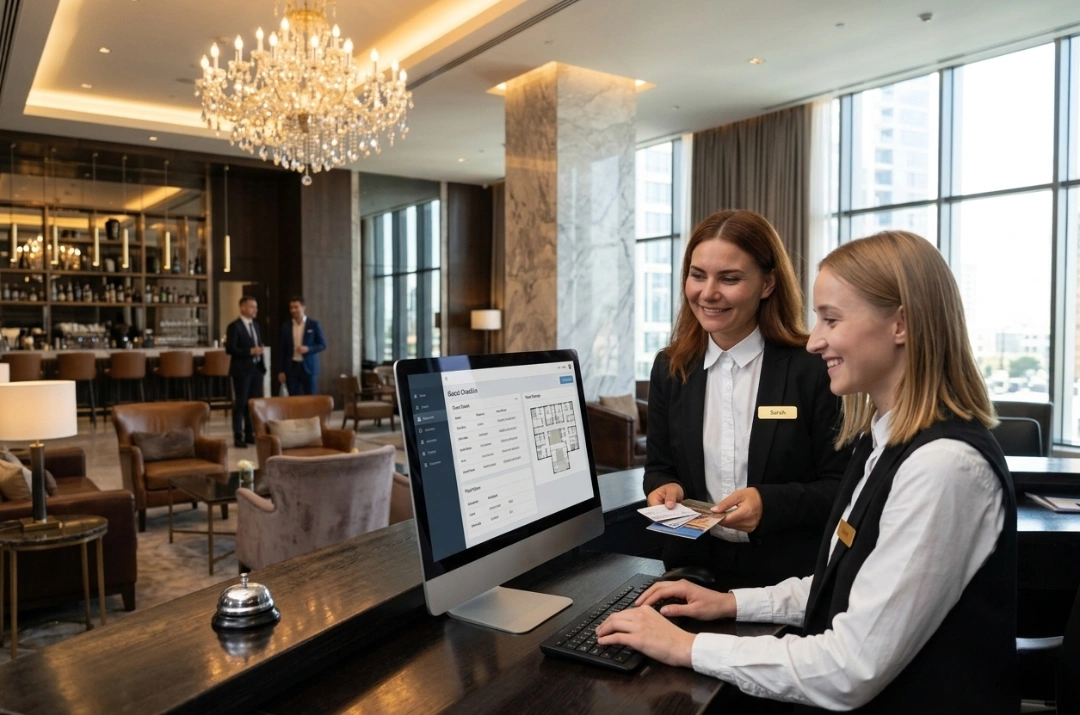
{{revenue-management-one}}
Quick Tips For Hotels Handling Early And Late Requests
From here, this guide is for hotel owners and managers. These are the essentials for handling early arrivals, late arrivals and late check-outs without disrupting operations.
Make early check-in easy to request: let guests ask for it in your booking engine, confirmation emails or guest app, so housekeeping can plan which rooms to clean first.
Sell guaranteed early access: offer a discounted "previous night" or early-arrival add-on for guests landing on overnight flights, instead of turning them away at 6 AM.
Offer free luggage storage: a secure bag store keeps early and late guests happy when rooms aren't ready or they've already checked out.
Plan for late arrivals: if your front desk isn't staffed 24 hours, use contactless check-in to send late-arriving guests their registration form, payment link and a digital key before they travel.
Price late check-out by demand: give a free hour when occupancy is low, charge by the hour or a half-day rate when it's high, and include it as a perk for loyalty members.
How Early Check-Ins And Late Check-Outs Affect Your Hotel
Guests love flexibility, and early check-in and late check-out are among the most common requests. Here's how hotel owners can manage them, and how they affect operations and revenue.
1. Early Check-In (Before Standard Time)
Guests often arrive before the usual check-in time, especially when traveling from other cities or countries. This can be tricky to manage. Should you allow early check-ins, and if so, how?
Charge a fee for early check-in: charging guests who want to check in early provides extra income and ensures rooms are ready. Many hotels offer this to guests willing to pay a bit more for convenience.
Prioritize VIPs or loyalty members: offer early check-in free or at a discount to VIPs and loyal guests. Meeting their needs boosts satisfaction and loyalty.
Offer day-use rooms: if available, offer day-use rooms to guests who need to rest or freshen up before check-in without paying for a full night.
2. Late Check-Out (After Standard Time)
Guests often request late check-out because of a late flight or wanting more time before leaving. Here's how to manage it:
Offer free late check-out for one hour: a one-hour extension gives guests extra time without affecting room availability.
Charge a fee for late check-out beyond the hour: after the first free hour, charge a fee based on how much longer the guest stays, with a higher fee after 2 PM or 4 PM.
Bundle late check-out with other services: include late check-out in spa, dining or room upgrade packages to raise revenue while keeping guests happy.
Adjust housekeeping schedules: use technology to update housekeeping schedules in real time, so rooms are ready as soon as guests check out.
Self-Check-In And Contactless Check-Out: A Game-Changer For Hotels
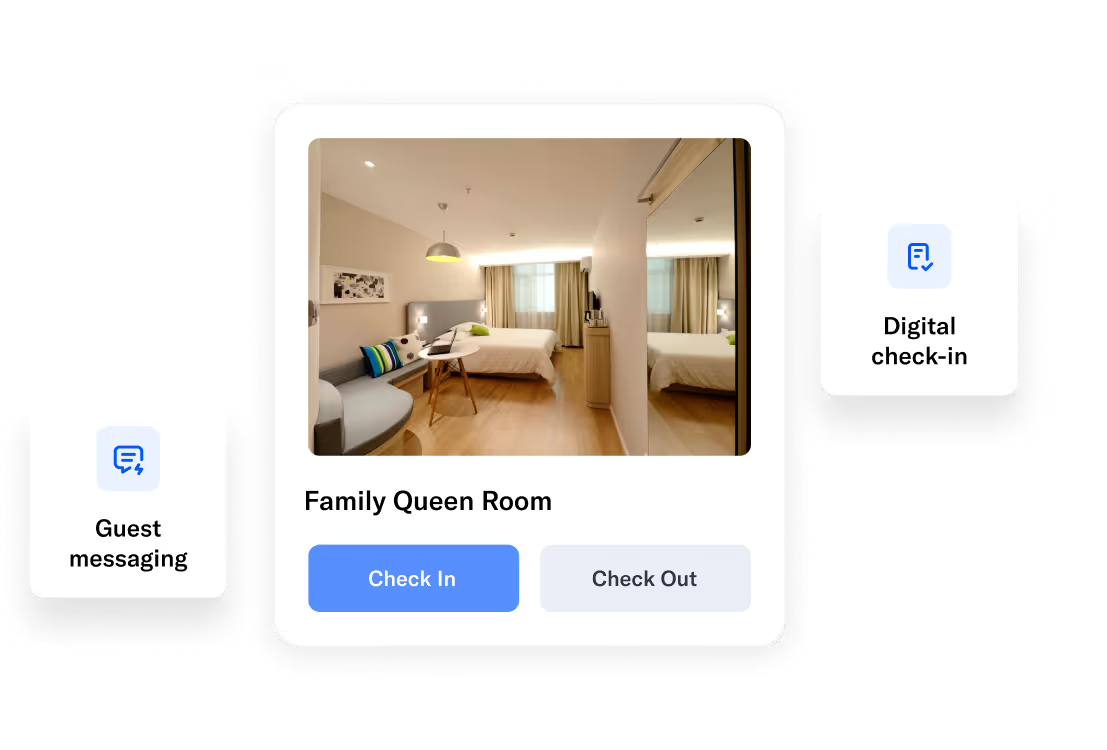
Mobile check-in, keyless entry and express check-out let guests skip the front desk entirely, which cuts lines and frees staff for personal service. With roommaster's hotel check-in software, built into the Property Management System and Guest App, guests can check in remotely, upload their ID, sign digitally, receive a mobile key and settle their bill from their phone. For a full breakdown of how it works and how to set it up, read our guide to hotel self check-in.
{{guest-app}}
How To Set Your Hotel's Check-In And Check-Out Policy
A clear, well-communicated policy prevents confusion at the front desk and disputes later.
Base your times on turnaround capacity: set check-in late enough for housekeeping to clean every departing room on your busiest days.
Publish the same times everywhere: your website, booking engine and every OTA listing should show identical check-in and check-out times. A channel manager keeps them consistent.
Define early and late options upfront: decide what's free, what's charged and who qualifies, such as loyalty members or suite guests.
State your ID, age and deposit rules: list the minimum check-in age, accepted IDs and deposit hold amount on your website and booking confirmation.
Communicate before arrival: include check-in time, check-out time and early or late options in confirmation and pre-arrival emails.
Train front desk staff: make sure everyone applies the policy the same way and knows when they can make exceptions.
How To Handle Overstays And No-Shows Without Losing Revenue
Overstays and no-shows can disrupt bookings and cost revenue, but they can be handled smoothly:
For overstays, charge a late fee or offer to extend the stay at a higher rate, so you're paid for the extra time.
A clear cancellation policy helps with no-shows. A no-show fee recovers lost income and encourages guests to keep their reservations.
Keep a few buffer rooms for walk-ins and last-minute guests without disrupting other bookings.
With the roommaster Property Management System (Hotel PMS) integrated with a hotel channel manager, you can check availability across all distribution channels and adjust quickly. It helps you manage overstays, no-shows and last-minute bookings while keeping every OTA updated in real time. Automated pre-arrival messages and in-stay updates keep guests informed and satisfied.
Common Check-In And Check-Out Mistakes Hotels Make
Inconsistent times across channels: guests who see different times on your website and an OTA are more likely to complain or dispute charges.
No clear early or late check-out rules: ad hoc decisions frustrate guests and cost revenue.
Ignoring late arrivals: not giving small-property guests a way to check in after the desk closes leads to bad reviews.
Unclear deposit hold policies: guests who don't expect a hold, or don't know when it's released, often contact their bank or leave negative reviews.
Poor housekeeping coordination: without real-time room status, early arrivals wait longer than they need to.
Not communicating before arrival: guests who don't know the check-in time arrive early and expect a room.
Optimizing Check-In And Check-Out For Revenue Growth
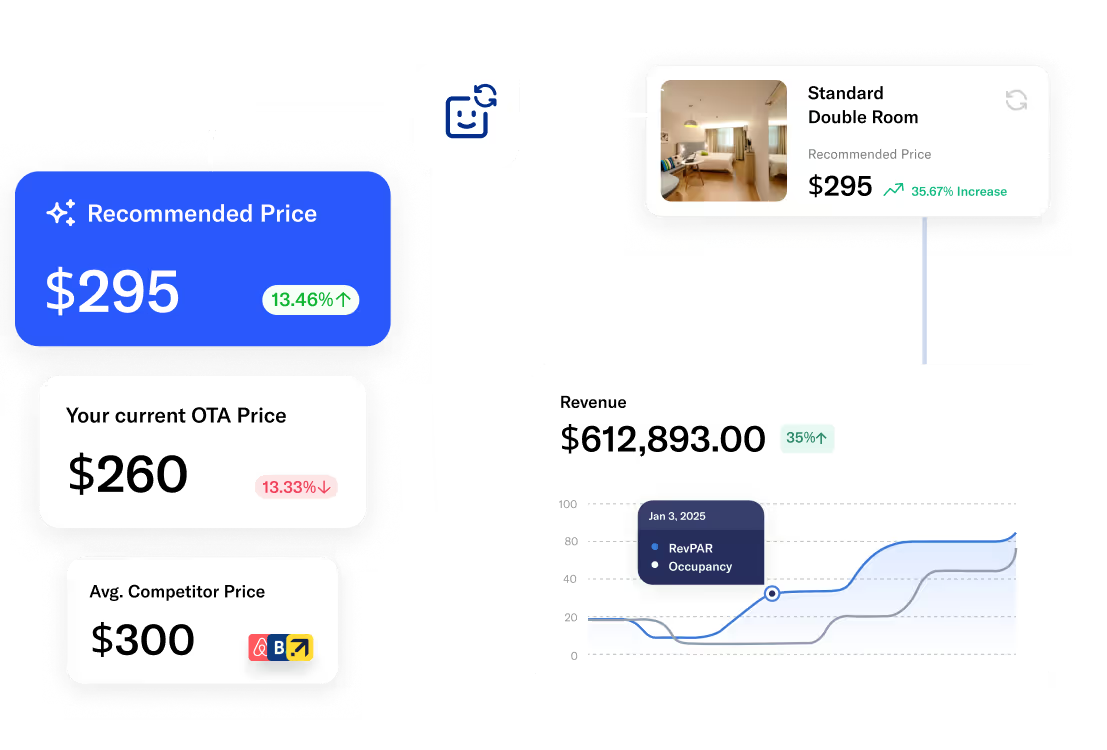
Optimizing your check-in and check-out times can drive revenue in several ways. Offer early check-in and late check-out as paid add-ons through your hotel booking engine, so guests feel valued while you earn more. These options also work well in VIP packages, letting you upsell during booking. Real-time tracking lets you adjust availability and optimize occupancy so you never miss a chance to fill a room. Running everything on one platform, or making sure your systems integrate, keeps operations smooth. roommaster is an all-in-one hotel management software that streamlines check-in and check-out. It sends pre-stay emails with everything guests need before arrival, and at check-in it pulls up guest details so staff can complete the process quickly.
{{cta-strip}}
Frequently Asked Questions
1. What time is check-in at hotels?
Most hotels set check-in at 3 PM, and some use 4 PM. Many budget hotels and motels allow check-in from 2 PM, and hotels in the UK and Australia often start at 2 PM. The exact time is listed on your booking confirmation and the hotel's website.
2. What time is check-out at hotels?
Standard hotel check-out is 11 AM or 12 PM in the US, Canada and the UK. Many motels and hotels in Australia set check-out at 10 AM.
3. Can I check into a hotel at 12 PM?
Possibly. If your room is clean and ready, many hotels will let you check in early, sometimes for a fee. Call ahead to request it, and ask the front desk to store your bags if the room isn't ready yet.
4. Do hotels charge for early check-in?
Some do. Many hotels allow early check-in for free when a room is ready, while others charge a flat fee or part of the nightly rate. Loyalty members often get early check-in free. Ask about any fee when you make the request.
5. How late can you check into a hotel?
At hotels with a 24-hour front desk, you can check in at any time after the standard check-in time. Smaller inns, B&Bs and motels may close reception in the evening, so contact them in advance and make sure your reservation is guaranteed.
6. Why is hotel check-in at 3 PM?
The time between check-out (around 11 AM) and check-in (around 3 PM) gives housekeeping enough time to clean, inspect and restock every room before new guests arrive.
7. Are all hotels 24-hour check-in?
No. Most large and full-service hotels have a 24-hour front desk, but many smaller inns, B&Bs, guesthouses and regional motels close the desk in the evening. If you're arriving late, ask about self check-in.
8. What happens if a guest misses their hotel check-in time?
Check-in time is the earliest you can arrive, not a deadline. If your reservation is guaranteed, the hotel holds your room for late arrival. If you don't arrive at all and don't cancel, the hotel may charge a no-show fee.
9. How long do hotels hold a deposit on your card?
The hotel releases the deposit hold at check-out, minus any extras. Your bank then decides when the funds become available again, which can take several business days, and often longer for debit cards.
10. How old do you have to be to check into a hotel?
In the US, many hotels require guests to be at least 18, and some set the minimum at 21. In Canada, the UK and Australia, 18 is the most common minimum age. Policies vary by hotel and location, so check before booking.
11. How can hotels use a PMS to manage check-in and check-out efficiently?
A property management system automates check-in and check-out, tracks room status in real time, automates billing and keeps guests informed with pre-arrival and pre-departure messages. Pairing it with digital check-in software lets guests register, pay and get a mobile key before they arrive, which shortens lines and helps housekeeping turn rooms faster.
12. What is the best way for hotels to handle early arrivals and late departures?
Set clear rules for what's free and what's charged, offer early check-in and late check-out as paid add-ons, give loyalty members perks, and use real-time housekeeping updates to have rooms ready as early as possible.
guest-app
Put Your Front Desk in Guests’ Pockets with roommaster App
Mayela Lozano is a content strategist with a passion for hospitality and technology. She collaborates with roommaster on content creation, highlighting how technology can streamline hotel operations and enhance guest satisfaction. When she’s not creating content, Mayela loves to travel and spend time with her two little ones, discovering new adventures and making memories along the way.
Join Thousands of Hotels Thriving with roommaster
The transition to roommaster is straightforward and efficient. Our implementation team handles data migration including reservations, guest profiles, and historical information.
The transition to roommaster is straightforward and efficient. Our implementation team handles data migration including reservations, guest profiles, and historical information.
Hotel Self Check-In: How It Works, Types, Benefits And Setup
October 1, 2026
Hospitality Trends
Hotel Management
Cloud-Based Property Management System: Hotel PMS
October 1, 2026
Hotel Management
Cloud PMS
Hotel Management System (HMS): A Complete Guide
September 23, 2026
Hospitality Trends
Hotel PMS
Cloud PMS
Hotel PMS Integration: How It Works for Hotels
September 23, 2026
Hospitality Trends
Hospitality Technology
Hotel PMS
Hotel Management
Cloud PMS
How Hotel PMS Software Transforms Hospitality Management
September 23, 2026
Hotel Management
Marketing
Pet-Friendly Hotel Amenities & Package Ideas That Drive Revenue
September 22, 2026
Hotel Management
Hotel PMS
Hotel Food And Beverage (F&B): The Complete Guide
September 22, 2026
Hotel Management
Marketing
Hotel Pet Fees: How Much Should You Charge?
September 22, 2026
Hotel Management
Hotel PMS
Best Hotel Food and Beverage (F&B) Management Software In 2026
September 22, 2026
Hotel Management
Marketing
Pet-Friendly Hotel Guide: Policy, Fees & Amenities
September 22, 2026
Join Thousands of Hotels Thriving with roommaster
See how roommaster's unified platform can work for your property. Our team will walk you through features tailored to your specific needs and operations.


.png)
.png)
.png)