What Is Hotel Administration?
Hotel administration is the set of business functions that govern how a hotel runs. It's not the guest-facing work of running it day to day.
It covers everything an owner or GM handles that isn't guest-facing. Budgets, payroll, permits, contracts, and reporting all fall under it.
Operations execute the daily work. The administration decides the structure, policy, and numbers behind that work.
How Is Hotel Administration Different From Hotel Operations?
Owners often use these terms interchangeably, but they cover different layers of the business. Here's the actual split.
Operations are the day-to-day departmental workflows: check-ins, housekeeping schedules, and food and beverage service. Our hotel operations guide covers that layer in depth.
Administration is the business governance layer above it. It sets financial plans, staffing policy, and compliance rules. It also owns the reporting that ties every department together.
Operations teams execute the plan. Administration sets it, then measures whether it's working.
A hotel can run smoothly day to day and still lose money. Weak administration is usually why nobody caught it in time.
What Does Financial Administration Involve?
Financial administration covers the money side of the business. It answers one question: is this hotel actually profitable?
- Budgeting. Setting spending limits by department and tracking actuals against them monthly.
- Accounting. Recording revenue, expenses, and payroll accurately enough for tax filing and lender reporting.
- Financial reporting. Turning transaction data into numbers owners can act on, like occupancy, RevPAR, and profitability by department.
Most hotels don't run full accounting inside a PMS. A PMS captures and structures transaction data first. It then feeds that data to dedicated accounting software for the actual books. Clean data going in means fewer reconciliation headaches coming out.
Built-in reporting turns that same data into the reports owners actually check every week.
How Should a Hotel Handle Staff Administration?
Staff administration covers the HR side of the business, everything beyond scheduling shifts. That means hiring, payroll compliance, and who has access to what.
- Hiring and onboarding. A documented process that doesn't depend on one manager's memory.
- Payroll and compliance. Accurate wage and hour tracking, since labor law violations in hospitality are common and costly.
- Role-based access. Front desk, housekeeping, and management all need different system permissions, not one shared login.
Getting hiring and scheduling right is fundamental to staff administration. Access control matters just as much. A front desk agent shouldn't have the same permissions as a GM.
What Compliance and Licensing Does Hotel Administration Cover?
Compliance is the part of administration owners notice least, until something gets missed. Here's what actually needs tracking, and how often.
- Business and liquor licenses. Renewal deadlines vary by state and city. A lapse can shut down service.
- Health and safety inspections. Food service, pools, and fire safety each run separate inspection cycles.
- Tax filings. Occupancy tax, sales tax, and payroll tax all run on different schedules.
- Data privacy. Guest payment and personal data carry their own compliance obligations.
None of this is exciting work. All of it can cost real money, or force a shutdown, if it gets missed.
What Systems Support Effective Hotel Administration?
Policies only work if the systems behind them actually enforce them. This is where administration meets technology.
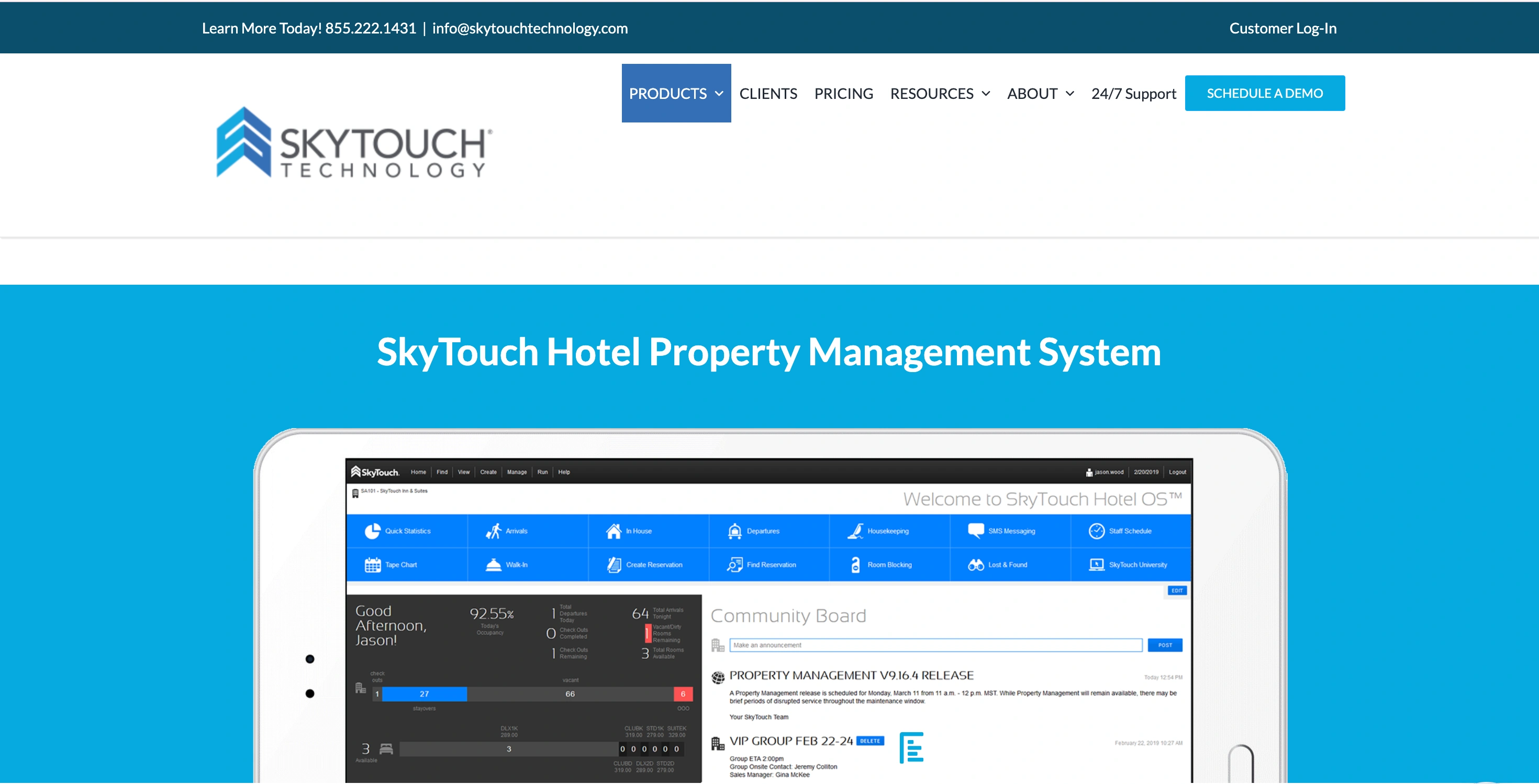
A hotel PMS acts as the system of record for administration, not just operations. It centralizes financial data. It tracks staff access by role. It generates the reports finance and compliance both depend on.
Without a central system, administration runs on spreadsheets and memory. That works for a while. It breaks down fast once a hotel grows past one property.
What Mistakes Do Hotel Owners Make in Hotel Administration?
These mistakes show up across properties of every size, not just with new owners. Most are structural, not one-time errors, so they compound quietly.
- Treating administration as an afterthought. Owners plan operations carefully and leave financial structure informal.
- No documented process for anything. If one manager leaves, the institutional knowledge leaves with them.
- Everyone sharing one login. No role-based access means no accountability when something goes wrong.
- Reviewing compliance only after an inspection fails. Renewal dates need a calendar, not a memory.
- Financial reporting that lags by weeks. Decisions made on stale numbers are decisions made blind.
Bottom Line
Hotel administration decides whether a well-run property is actually profitable and compliant. Get the structure right. That means clear financial reporting, documented staff policy, and a compliance calendar nobody has to remember manually. The systems behind that structure matter as much as the policies themselves.
{{cta-strip}}
Frequently Asked Questions
1. What's the difference between hotel administration and hotel management?
Hotel management often means running the whole business, operations included. Hotel administration refers specifically to the business governance layer: finance, HR policy, and compliance.
2. Does a small independent hotel need formal administration processes?
Yes. Compliance deadlines and payroll rules apply at any size. Informal processes just fail faster once an owner is stretched thin.
3. Who's typically responsible for hotel administration?
At smaller properties, the owner or GM handles it directly. Larger hotels and groups often have a dedicated controller, HR lead, or compliance manager.
4. Can a PMS handle financial administration on its own?
A PMS captures and structures transaction data. Most hotels still use dedicated accounting software for the actual books. The PMS is the foundation, not the full system.
5. How often should a hotel review its administrative processes?
At minimum, once a year. Review again immediately after any major change, like a new property, a leadership change, or a new regulation.
.png)
.png)
.png)