7 Hotel Overbooking Solutions to Prevent Walked Guests (2026)
"roommaster makes running Nuvo Suites so much easier, everything’s in one place, from bookings to housekeeping. It’s extremely customisable – they customised everything according to our needs."
Understand the risks: Poorly managed overbooking leads to negative guest experiences and financial losses.
Train your staff: Equip front desk teams with policies and procedures for handling overbooked guests professionally.
Set strategic limits: Analyze historical data to determine safe overbooking thresholds.
Maintain direct booking control: Encourage direct reservations to minimize reliance on third-party platforms.
Regular audits: Keep reservation systems updated and accurate to avoid costly errors.
Introduction: The Hidden Costs of Overbooking
This guide explores proven hotel overbooking solutions and best practices to help hoteliers strike the right balance, maximizing occupancy while maintaining guest satisfaction.
Overbooking is a common strategy in the hospitality industry, allowing hotels to compensate for last-minute cancellations and no-shows. When executed properly, it maximizes revenue and keeps occupancy rates high. But when mismanaged, it can lead to frustrated guests, costly refunds, and as well as reputational damage.
A single overbooking mistake can ripple far beyond one disappointed guest. According to industry data, one negative review can drive away up to 22% of potential customers, and in these days, a single viral complaint can impact future bookings and long-term brand loyalty. To protect your bottom line while optimizing occupancy, hotels need a strategic approach to overbooking management.
Chapter 1: Understanding Why Overbooking Happens
To prevent overbooking, hotels must first understand the key reasons behind it. While intentional overbooking is often a strategic revenue decision, errors and mismanagement can also play a role.
1. Revenue Strategy
Hotels overbook to compensate for expected cancellations and no-shows.
Airlines have used this method successfully for years, but without proper forecasting, hotels risk disappointing guests.
A carefully calculated overbooking policy can help maintain optimal occupancy levels without excess risk.
2. System Errors
Poor synchronization between booking channels and the property management system (PMS) can lead to duplicate reservations, for example.
Real-time inventory updates are essential to prevent multiple platforms from selling the same room.
3. Manual Mistakes
Human error in reservation management, such as double entries or incorrect room allocations, also it can lead to accidental overbookings.
Miscommunication between front desk staff and online travel agencies (OTAs) is actually a common cause.
4. Lack of Forecasting
Without historical data analysis, hotels may not accurately predict cancellation and no-show rates.
Relying on guesswork instead of analytics can lead to unnecessary risks and guest dissatisfaction.
{{revenue-management-one}}
Chapter 2: The Impact of Overbooking on Guest Experience
While overbooking may seem like a necessary revenue strategy, its impact on guest experience cannot be ignored. A single mishandled case can have lasting consequences later.
1. Frustration and Bad Reviews
Guests arriving to find their reservation invalid would of course feel deceived and frustrated.
Negative experiences lead to poor reviews on platforms like TripAdvisor, Google, and OTA review sections, deterring future guests as a result.
These added expenses can offset any revenue gains from overbooking.
3. Brand Damage
A reputation for frequent overbooking can harm long-term customer loyalty.
Competitors with better booking management will definitely attract more direct reservations.
Social media amplifies negative guest experiences, making damage control even more challenging.
Chapter 3: Proactive Booking Strategies to Prevent Overbooking
To effectively prevent overbooking while maintaining profitability, hotels need to implement smart strategies that focus on automation, data-driven decision-making, and as well as guest prioritization.
1. Use Real-Time Inventory Management
Implement a cloud-based hotel PMS that syncs availability across all distribution channels.
Ensure your hotel channel manager updates room inventory instantly to prevent duplicate bookings.
2. Set Realistic Overbooking Limits
Instead of blindly overbooking, use historical data and predictive analytics to set limits based on cancellation and no-show patterns.
Adjust overbooking policies by seasonality, weekdays vs. weekends, and as well as special events.
3. Segment Guests Wisely
Prioritize loyal customers, corporate accounts, and high-value bookings to ensure they are never affected by overbooking issues.
Offer flexible booking options to guests with a history of last-minute cancellations.
4. Regularly Audit Reservations
Conduct routine audits of your PMS, OTA channels, and hotel booking engine records.
Identify potential booking discrepancies early to take corrective action before they become a problem.
Assign a dedicated revenue manager or front desk staff member to oversee booking accuracy daily.
Hotels can reduce the risks of overbooking while maintaining a guest-first approach to revenue optimization by adopting these proactive strategies, as well as the best practices mentioned in Chapter 6.
Chapter 4: Leveraging Technology to Minimize Overbooking Risks
Technology plays a crucial role in preventing overbooking because technology automates processes and improves accuracy. Here’s how you can leverage key tools of hotel overbooking solutions to minimize risks:
1. Integrate a Centralized Booking System
A Hotel Management Software like roommaster integrates with all booking channels to prevent double bookings, ensuring a seamless flow of reservations across platforms.
Centralized dashboards provide real-time visibility into room availability, allowing staff to monitor bookings and occupancy across multiple channels efficiently. Moreover, this integration minimizes the risk of discrepancies that can lead to overbooking.
2. Optimize Direct Bookings with an Integrated Hotel Booking Engine
roommaster’s hotel booking engine connects directly with the PMS, ensuring that all direct bookings update in real time across the PMS and all distribution channels. This prevents overbooking caused by delayed synchronization between systems.
A seamless, mobile-friendly booking experience encourages guests to book directly, reducing reliance on third-party channels that may contribute to inaccurate availability counts.
3. Automate Guest Communication
AI-powered chatbots and email automation within roommaster confirm bookings and send timely reminders to guests about their stay, reducing last-minute cancellations or no-shows.
Automated communication ensures guests are well-informed about their reservation details, contributing to a smoother check-in experience and minimizing overbooking risks.
4. Implement AI-Powered Demand Forecasting
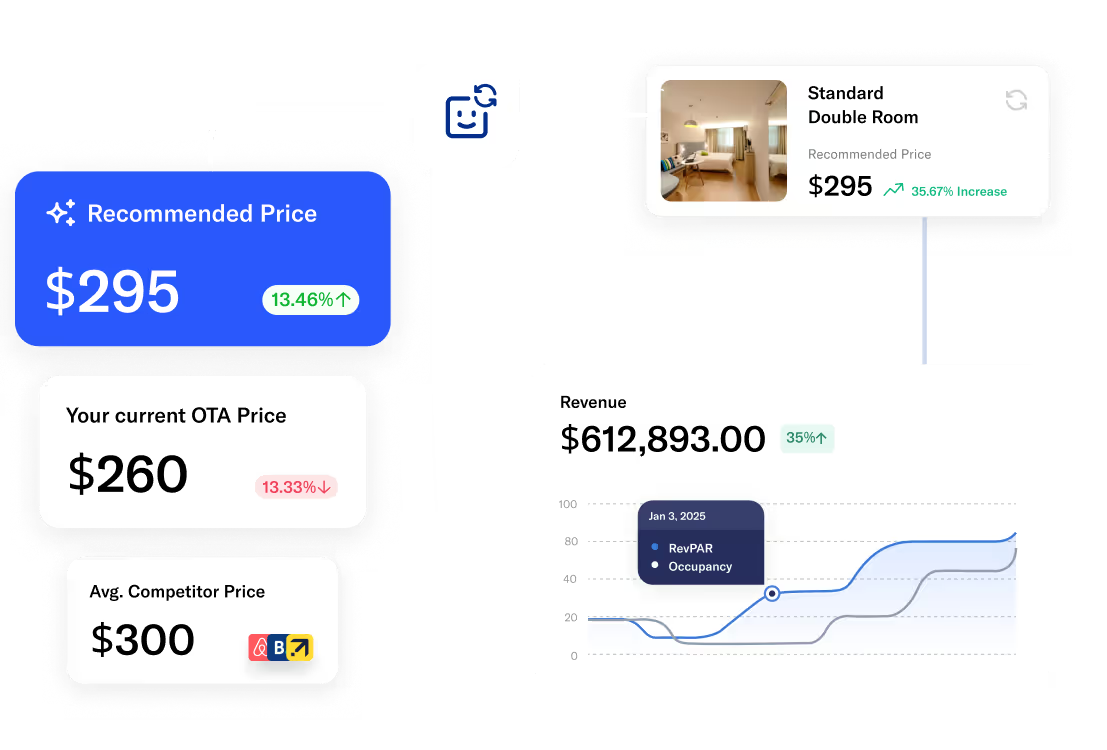
Revenue optimization tools like roommaster’s revenue management software use predictive analytics to analyze past booking trends and occupancy data, as well as enabling hotels to set optimal overbooking limits based on accurate demand forecasts.
roommaster allows hotels to dynamically adjust rates based on real-time demand fluctuations, ensuring availability and maximizing revenue without the risk of overbooking.
{{revenue-management-two}}
With these solutions, hotels can optimize operations, reduce overbooking risks, and enhance guest satisfaction while improving overall efficiency.
Chapter 5: Training Staff for Effective Overbooking Management
Your team plays a key role in smooth booking operations and guest satisfaction. When managed well, your staff’s handling of overbooking can turn negative experiences into positive ones. Here’s how to ensure your team is prepared for hotel overbooking solutions:
1. Educate Front Desk Staff
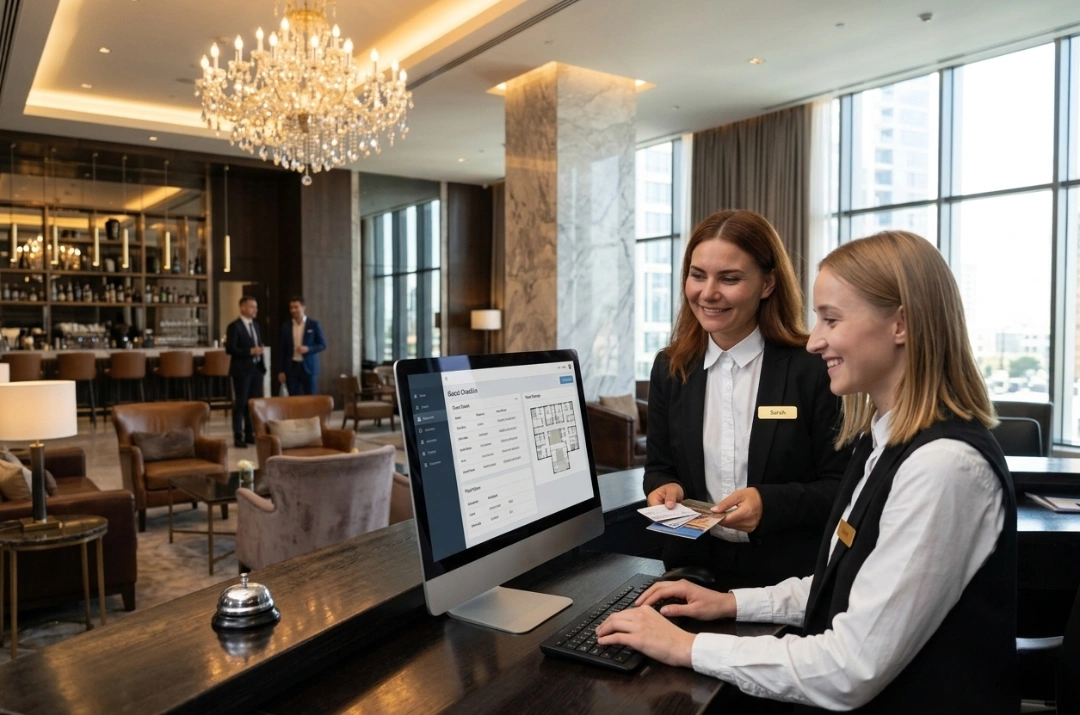
Empathy and professionalism: Train staff to handle overbooked guests with empathy and professionalism. Guests may arrive frustrated, so the team needs to show understanding while working quickly to resolve the issue.
Offer empathetic solutions: Equip staff with solutions to de-escalate tense situations, such as offering room upgrades or meal vouchers.
Provide scripted responses and compensation guidelines: Have scripted responses to maintain professionalism. Ensure the front desk team knows how to explain the situation and outline compensation options like free nights or upgrades.
Role-playing scenarios: Regularly engage staff in role-playing overbooking situations to prepare them for real situations and build confidence.
2. Establish Clear Overbooking Protocols
Define internal policies: Create clear policies for overbooking scenarios, including guest relocations and compensation. Furthermore, outline how to communicate the issue to guests clearly.
Ensure communication between departments: Ensure housekeeping, maintenance, and management are aware of the overbooking policies for smooth guest relocations and room preparations.
Regular training and updates: Review policies regularly to ensure they align with overall strategy. Conduct training sessions with all relevant departments on handling overbooking cases.
Clear escalation pathways: Define escalation pathways for issues that can’t be resolved at the front desk, so staff knows when to involve supervisors.
3. Encourage Proactive Problem-Solving
Encourage proactive communication: Have front desk staff communicate potential overbooking issues in advance, allowing guests to make alternative arrangements or prepare for changes.
Offer incentives for successful conflict resolution: Reward staff who handle overbooking situations well, such as with “Employee of the Month” recognition or bonuses.
Continuous feedback and improvement: Collect feedback from staff on how overbooking issues were handled to improve processes over time.
When guests see your team resolving issues with professionalism and empathy, it leaves a lasting positive impression.
Chapter 6: Best Practices for Hotel Booking Management
1. Encourage direct bookings:
Reduce reliance on OTAs and minimize synchronization errors.
Offer loyalty programs, exclusive discounts, and as well as direct booking incentives.
Provide refundable options to reduce last-minute cancellations.
Offer alternatives like rescheduling instead of outright cancellations.
3. Monitor key performance metrics:
Regularly track no-show rates, booking patterns, and cancellation trends.
Use data insights to refine overbooking strategies over time.
4. Balance direct and third-party bookings:
Avoid over-reliance on OTAs that complicate inventory management.
Diversify distribution channels for better control over reservations.
5. Implement waitlist systems:
Offer guests the option to be notified if a room becomes available.
Improve guest satisfaction by accommodating last-minute changes.
6. Regular system audits:
Ensure technology and booking processes remain accurate and up to date.
Conduct periodic checks to prevent discrepancies and inefficiencies.
7. Enhance communication with guests:
Send automated booking confirmations and reminders.
Provide clear terms and conditions for cancellations and modifications.
8. Leverage AI-driven dynamic pricing:
Optimize revenue while maintaining an ideal occupancy rate.
Adjust room rates based on demand forecasts to prevent over-reliance on overbooking.
By implementing these hotel overbooking solutions best practices, hotels can enhance their booking processes, minimize overbooking risks, and=create a better experience for their guests.
FAQs: Common Questions About Overbooking Prevention
1. Why do hotels intentionally overbook rooms?
Hotels overbook to compensate for cancellations and no-shows, ensuring maximum occupancy and revenue. However, effective management is crucial to avoid negative guest experiences.
2. What is the best way to prevent overbooking?
Using a robust hotel PMS with real-time inventory updates, setting overbooking limits, and as well as monitoring booking trends can significantly reduce overbooking risks.
3. How can hotels handle overbooked guests professionally?
Hotels should have clear policies, train staff in guest recovery strategies, and as well as offer alternative accommodations or compensations when needed.
4. How do booking engines help prevent overbooking?
Advanced hotel booking engines integrate with PMS and channel managers, ensuring that real-time availability updates prevent duplicate bookings.
In conclusion, by adopting these best practices, hotels can balance maximizing occupancy with delivering exceptional guest experiences, as well as ensuring long-term success.
{{cta-strip}}
revenue-management-one
Put Your Hotel Pricing Optimization on Autopilot with AI
Mayela Lozano is a content strategist with a passion for hospitality and technology. She collaborates with roommaster on content creation, highlighting how technology can streamline hotel operations and enhance guest satisfaction. When she’s not creating content, Mayela loves to travel and spend time with her two little ones, discovering new adventures and making memories along the way.
Join Thousands of Hotels Thriving with roommaster
The transition to roommaster is straightforward and efficient. Our implementation team handles data migration including reservations, guest profiles, and historical information.
The transition to roommaster is straightforward and efficient. Our implementation team handles data migration including reservations, guest profiles, and historical information.
How Hotel PMS Software Transforms Hospitality Management
September 23, 2026
Marketing
Online Bookings
Hotel Metasearch Strategy: 8 Tactics That Drive Direct Bookings
September 22, 2026
Hotel Management
Marketing
Pet-Friendly Hotel Amenities & Package Ideas That Drive Revenue
September 22, 2026
Hotel Management
Hotel PMS
Hotel Food And Beverage (F&B): The Complete Guide
September 22, 2026
Hotel Management
Marketing
Hotel Pet Fees: How Much Should You Charge?
September 22, 2026
Hotel Management
Hotel PMS
Best Hotel Food and Beverage (F&B) Management Software In 2026
September 22, 2026
Hotel Management
Marketing
Pet-Friendly Hotel Guide: Policy, Fees & Amenities
September 22, 2026
Marketing
Online Bookings
Hotel Metasearch: The Complete Guide For Hotels
September 22, 2026
Hotel Management
Payment Processing
Best Practices For Hotels To Avoid Chargebacks Disputes
September 21, 2026
Join Thousands of Hotels Thriving with roommaster
See how roommaster's unified platform can work for your property. Our team will walk you through features tailored to your specific needs and operations.





.png)
.png)
.png)