Opening a boutique hotel needs a clear vision, a smart location, and a brand that tells your story.
Every design choice and guest experience shapes your identity, and thoughtful touches can turn stays into memorable moments.
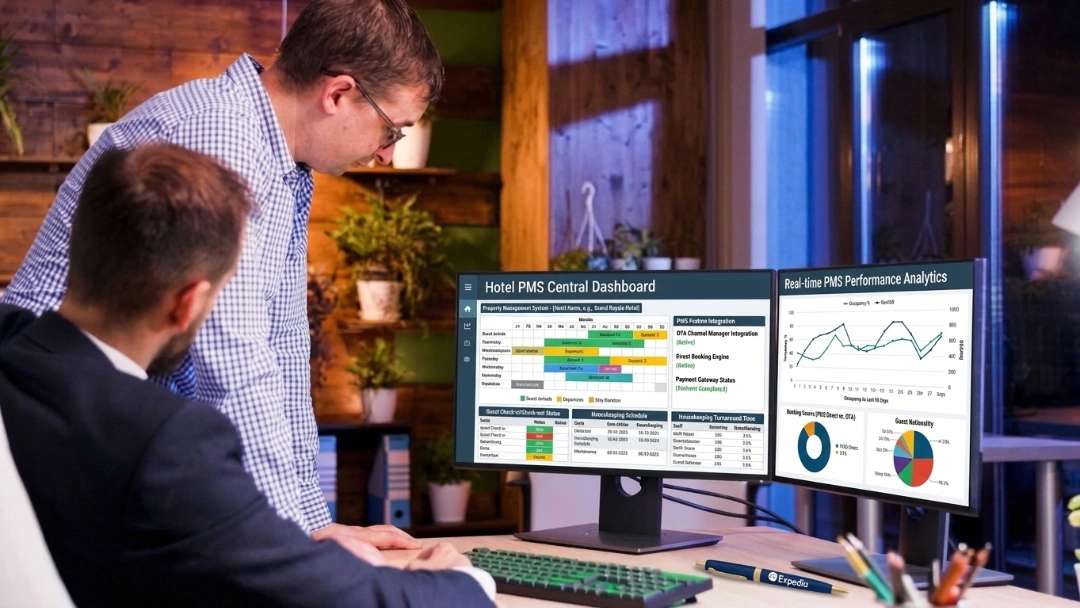
A modern, fully-upgraded, cloud-based PMS such as roommaster PMS streamlines operations, keeps teams focused on guests, and reduces errors across reservations, housekeeping, and revenue management.
Personalized service drives real results, with hotels seeing about a 20% rise in customer satisfaction and 89% of travelers saying tailored experiences influence loyalty.
Opening a boutique or an independent hotel today feels like the ultimate hospitality dream. You imagine guests posting Insta‑worthy photos of your design‑led spaces, glowing TripAdvisor reviews, and a thriving business unlike any generic chain hotel. But building something truly special takes more than passion. You need a clear strategic plan, real data, market insights, financial clarity, and meticulous execution.
So, how exactly do you go from idea to grand opening? What costs will you face? What should success look like? And how do you navigate the competitive world of hospitality?
Whether you are exploring how to start a boutique hotel business, wondering how to start a hotel business successfully, or planning a first property acquisition, this guide answers all of those questions and more. We’ll show you what costs to expect, where the biggest opportunities lie, and what real building blocks you need to launch with confidence.
But before the fun begins…
What is a Boutique Hotel?
A boutique hotel is a small-to-medium-sized property that gives guests a memorable, highly curated experience. These hotels typically emphasize distinctive design rooted in local character, personalized service, and a strong sense of place.
Boutique hotels typically range anywhere from 10 to 100 rooms. They deliver charm over scale, warmth over uniformity, and distinctive experiences rather than standardized amenities.
To be more specific, guests want stories, details, and a memorable stay that reflects local culture, which is exactly why they choose a boutique hotel over a big, impersonal brand. While hotel groups can offer reliability and widely recognized loyalty programs, boutique hotels beat them in terms of narrative, personality, and an immersive guest experience.
Market Analysis & Opportunities
Before you invest time, money, and passion into starting a boutique hotel, you need to understand the dynamics in the hospitality industry.
The global boutique hotel market generated about $106.53 billion in revenue in 2024 and is expected to expand to roughly $161.67 billion by 2034. These numbers show that boutique hospitality remains a highly sought-after travel segment, as travelers increasingly trade predictable, standardized stays for handcrafted, experience-driven accommodations.
Guests who usually choose boutique hotels include:
Millennials and Gen Z travelers who value design, authenticity, and local experiences
Luxury and lifestyle travelers seeking experiences beyond basic accommodation
Domestic tourists looking for a unique staycation escape
Rising disposable incomes and changing traveler expectations further drive this shift, making boutique hotels one of the most dynamic segments in the hospitality industry. Growth patterns, however, vary by region, with emerging travel markets showing particularly strong momentum.
For example, the Indian boutique hotel industry was valued at about $740.6 million in 2024 and is projected to grow to about $1,277.8 million by 2030, expanding at a CAGR of 9.6%. This growth is closely tied to India’s booming domestic tourism, the rise of new metro and leisure travel hubs, and increasing demand for experience-oriented travel. Tourism expenditure in India has also climbed dramatically in recent years, rising from roughly $80 billion to $200 billion in domestic tourism spend, highlighting the country’s rapid hospitality expansion.
Across both mature and emerging markets, the boutique hotel segment offers clear advantages:
Higher guest loyalty due to unique experiences
Premium pricing potential
Flexibility in design and service style
Strong appeal to lifestyle travelers and honeymooners
However, boutique hotels also face challenges like higher operating costs and specialized staffing requirements. In fact, approximately 53% of boutique hotel operators report high operational and maintenance costs as a major barrier to expansion, indicating that cost pressures can slow growth and deter new entrants. Similarly, many operators report that maintaining distinctive service standards drives operational complexity, but with the right systems, these costs can pay off through guest loyalty and repeat stays.
Boutique Hotel Startup Costs Breakdown
One of the biggest questions aspiring owners ask is: How much does it cost to start a boutique hotel?
Well, there’s no one answer. It varies widely based on location, size, design quality, and operational scope.
But you can plan and estimate ranges by breaking down cost categories.
A] Property costs
Your first major decision is whether to build a hotel from scratch or buy an existing hotel or building. Each path comes with distinct financial implications.
Boutique hotels rely on aesthetic appeal. Your interior, brand story, and visual design have to reflect a narrative. Beyond the building itself, how you furnish and style each space can greatly influence both guest experience and your overall costs.
Renovation and fit‑out costs can vary widely, with custom finishes and bespoke elements driving costs significantly. For example:
Great people are the heart of a successful boutique hotel, and building the right team requires careful planning and investment. Early on, you’ll need to hire key staff, including a hotel manager, front desk and concierge teams, housekeeping, food and beverage personnel, and maintenance staff.
Hiring and training these employees can cost anywhere from $100,000 to $250,000 or more during your first year, depending on the size and scale of your property.
F] Marketing & pre‑opening investments
Similarly, launching marketing efforts before your hotel opens is crucial for attracting attention, generating bookings, and sparking early guest interest. This is why you need to focus on:
Website development and branding
Social media campaigns
Local press and launch events
Influencer collaborations
Depending on the scope of your efforts, you should plan to invest $30,000–$80,000 or more on these campaigns and materials. Effective marketing helps your hotel make the most of the time, effort, and money spent on property, design, and staff, giving it a strong start in a competitive market.
G] Working capital
Finally, you need cash reserves to cover operating costs for the first 6–12 months. This includes salaries, utilities, maintenance, and supplies.
Without this financial buffer, even a well-planned and promising hotel can struggle during its earliest months, making working capital one of the most critical components of a successful launch.
Now that you understand costs, let’s look at the actual journey from idea to successful launch.
1. Define your vision & brand
Start with a clear identity. Ask yourself:
What story does your space tell?
Who is your target audience?
What do you want guests to feel when they enter?
Your brand identity and unique selling points should flow from this vision. A strong brand sets expectations, guides design, and defines service standards, all of which help you stand out.
2. Conduct deep market research
Market research helps you understand demand patterns, local competitors, pricing trends, and guest preferences. It strengthens your detailed business plan.
Good research answers questions like:
What do travelers want that local chain hotels don’t offer?
Include competitor analysis, pricing data, and trend projections in your well‑researched business plan.
{{revenue-management-one}}
3. Build a rock‑solid business plan & focus on legal compliance
Your hotel business plan is the foundation for financing, execution, and success. It should include:
Executive summary
Market analysis
Competitive research
Operational strategies
Financial projections
Revenue and distribution strategy
Team structure and service standards
At the same time, select your business’s legal structure, such as sole proprietorship, partnership, or corporation, based on liability and tax planning, and ensure you comply with local regulations and licensing requirements.
💡Pro Tip: A thorough business plan with clear financial projections and compliance considerations makes it easier to secure financing, avoid surprises, and guide operational decisions later.
4. Choose location & property
Location defines demand. Whether you prefer bustling city centers, scenic retreats, or historic districts, choose a site that complements your brand promise and audience profile. This includes:
Visibility and accessibility
Local attractions
Competitive density
Zoning and regulatory constraints
5. Design & build
Use interior design to amplify your story. Collect art from local artists, highlight cultural themes, and design spaces that tell a narrative guests can connect with.
Your design decisions directly impact guest experience and reviews.
6. Hire & train a stellar team
Your team delivers your brand promise. Hire a capable hotel manager, engage passionate staff, and align service delivery with your values.
Service standards must feel personal, efficient, and guest-centric. You can highlight training and consistency later when implementing your tech systems.
7. Implement tech & systems
Install your property management system, booking engine, payment gateway, and guest communication tools. These tech elements improve workflows and boost efficiency.
💡Pro Tip: With roommaster PMS, all the tools (including PMS, Booking Engine, Channel Manager, Payments, and Guest App) work seamlessly together. This eliminates disconnected systems, streamlines operations, and frees your team to focus on guest satisfaction.
8. Launch & go live
Start with a soft opening to test operations and gather feedback. Once systems stabilize, host your grand opening and ramp up marketing.
Financing Options for Boutique Hotels
As we discussed earlier, launching a boutique hotel often requires several million dollars, especially in premium locations. To raise the needed capital, you can explore several financing approaches.
Traditional bank loans offer long-term repayment terms and lower interest rates, but usually require strong credit and collateral. Banks may take time to approve loans and enforce strict requirements.
Private investors and venture partners supply capital in exchange for equity or profit-sharing and sometimes offer industry guidance. They often request partial ownership and a share of future profits.
Real estate equity financing through joint ventures or REITs reduces debt and spreads risk. However, investors may demand significant control over key decisions.
Strategic partnerships and crowdfunding let you raise funds from brands or multiple investors, often for concept-driven projects. The challenge here is coordinating many stakeholders and managing expectations, which can slow down decision-making.
A clear business plan and financial forecasts help attract investors and negotiate better terms.
Location Selection & Property Considerations
The right location shapes the success of your boutique hotel. For example:
Buying property gives you control and builds long-term equity
Leasing reduces upfront costs but limits ownership and flexibility
But before making a choice, compare both options based on market conditions, costs, and your investment strategy.
It is also important for your hotel to connect with the surrounding community. To do so, partner with nearby restaurants, tour operators, and attractions to give guests a richer experience. Highlight local culture in your design and programming so each stay feels unique and memorable. By engaging with the neighborhood, your hotel becomes an active part of the local ecosystem rather than just a place to stay.
Design & Branding Your Boutique Hotel
Boutique hotels shine because they feel personal, intimate, and full of character. The first step in branding your boutique hotel is to define your brand.
Think about what truly makes your hotel special:
What makes your hotel special? Is it the personalized service, the unique location, the design, or the amenities?
Which aspects of design and decor reflect our personality and story?
How can our service make guests feel valued and memorable?
Which local culture, traditions, or experiences can we showcase?
Once you understand this, you can craft a brand strategy that reflects both your vision and your guests’ expectations.
👉Case in Point:
Three Ducks in Westhampton, USA, reimagined a 1950s roadside motel into a modern, design‑forward boutique hotel. The owners focused on relaxation, nature, and subtle luxury rather than traditional Hamptons glamour, shaping every detail from private garden seating and a wildflower meadow to a communal fire‑pit area.
The curators kept amenities simple and meaningful, which included bicycles, a rentable Moke vehicle, a light breakfast, and locally curated goods, creating an authentic, intentional experience. In doing so, they created a clear emotional tone that speaks to travelers seeking calm, genuine escapes rather than just flashy features.
Now, your visual identity should bring that story to life. Colors, fonts, logos, and graffiti set the tone for how guests perceive your hotel from the moment they see it online to the moment they arrive on property. The brand story itself gives your hotel a voice. Sharing it across your website, social media, and marketing materials helps guests connect with your vision before they even arrive. A story that feels authentic and relatable makes each stay memorable and encourages guests to become advocates for your hotel.
Focus on guest experience in every moment. From booking to check-out, make each interaction feel personal and seamless. roommaster PMS helps by keeping hotel reservations, guest profiles, and communications organized so your team can spend more time delighting guests.
Finally, train your staff to live the brand, anticipate needs, and share local insights. You can also partner with local businesses to add extra touches that make guests feel part of your community.
A hotel succeeds when it delivers consistent service, smart revenue decisions, and smooth daily operations.
roommaster PMS powers independent hospitality by providing hotels with a unified platform for everything from front desk to housekeeping to revenue management. Let’s see how.
1. Guest satisfaction
Guest happiness drives loyalty and repeat visits. Hence, hotels must anticipate needs, respond quickly, and deliver personal service at every touchpoint. roommaster helps teams achieve this with:
Front desk & housekeeping management: Track room status, assign tasks, and manage guest requests in real time through a single, unified housekeeping management system, freeing staff to focus on service.
Hotel guest app & communication tools: Guests can check in digitally, submit requests, and receive updates instantly, speeding responses and reducing friction.
Personalized Service at Scale: With a single shared database across PMS, Booking Engine, and Guest App, teams can see guest preferences and history, so every suggestion and interaction feels thoughtful and genuine.
Hotels that use integrated tools reclaim hundreds of hours annually and streamline staff training, freeing teams to focus on delighting guests. This personalized approach not only boosts operational efficiency but also drives results. In fact, hotels see roughly a 20% increase in customer satisfaction, and 89% of travelers say tailored service influences their loyalty to the brand.
2. Revenue management
Revenue thrives on insight and timing. For hotel teams, fluctuating demand, competitor pricing, and seasonal trends make revenue management a constant challenge, where every miscalculation can mean missed revenue or empty rooms.
roommaster takes the stress out of pricing and occupancy decisions by unifying Revenue Optimization, Rate Management, and Payments into a single platform. Here’s how:
Reporting & analytics: Access over 270+ pre-built reports covering revenue, operations, and guest activity, create custom reports for unique property needs, and view real-time dashboards that track occupancy, revenue, and direct bookings.
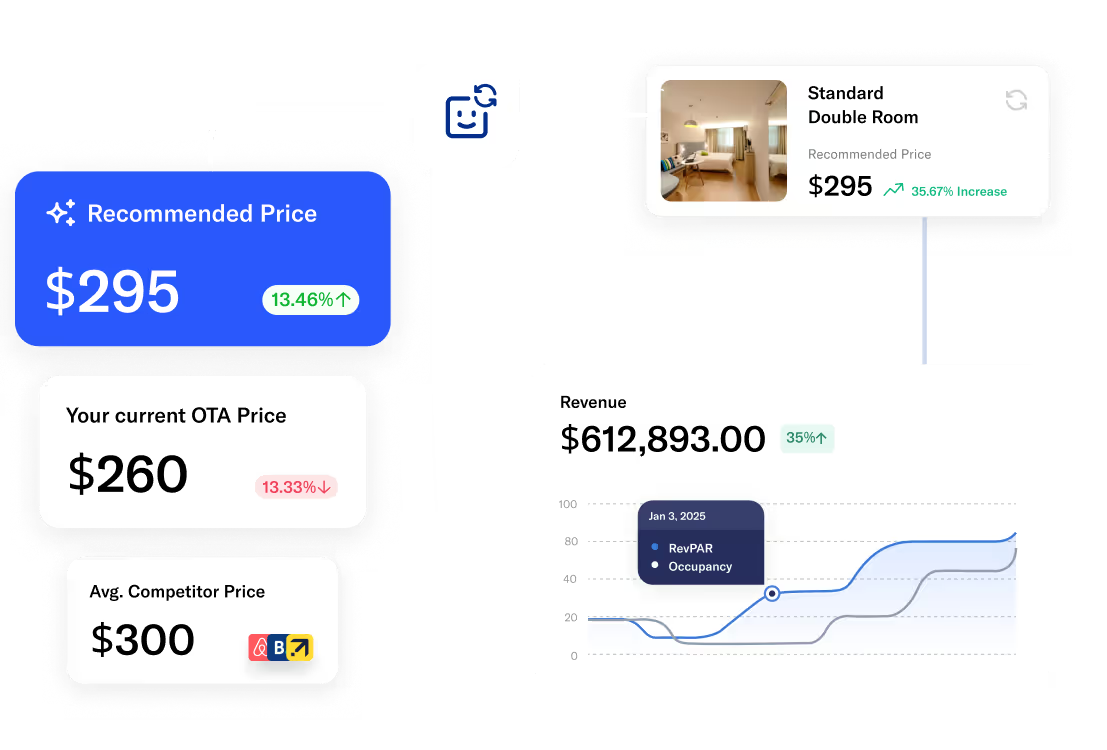
Smart Pricing and Channel Management:Increase direct bookings and revenue by up to 35% while keeping all rates consistent across platforms and adjusting them in real time.
{{booking-engine-one}}
This enables revenue managers to gain a clear visibility into revenue performance while reducing manual effort. In fact, research shows that only about 24% of hotels have fully integrated core systems, yet the properties that do so consistently achieve higher revenue and stronger guest satisfaction.
The best part is that roommaster PMS integrates seamlessly with ampliphi RMS, an AI-based revenue management system that uses real-time market signals and competitor pricing to adjust rates in real time. This helps teams respond faster to demand shifts and maximize revenue.
3. Operational efficiency
Smooth operations reduce stress, prevent errors, and keep hotels running at their best. Here’s how roommaster connects core workflows to save time and minimize mistakes:
Integrated operations suite: Front desk, housekeeping, and guest services all operate from a single platform.
Payment & distribution integration: Rates, availability, and transactions stay accurate across all channels without double entry.
Automation of routine tasks: Automated alerts, reporting, and messaging frees staff to focus on hospitality.
This combination of connected technology and operational focus allows hotels to deliver better guest experiences, maximize revenue, and run efficiently day after day.
Marketing goes beyond ads. You need a strategy that brings your brand to life and turns interest into bookings.
- Your hotel’s website
To begin with, your website must reflect your hotel. This means it should be engaging, visual, and functional. Direct bookings give you control over guest data and reduce commission costs. roommaster Website Builder lets you create a professional, mobile-optimized site without relying on designers or developers. Its seamless integration with the Booking Engine turns your site into a direct booking hub.
It helps hotels:
Capture 15–30% more direct bookings and cut OTA commissions
Highlight your property with AI-assisted content, optimized images, and clear calls-to-action
With this setup, your website becomes a tool that drives bookings, engages guests, and builds your brand.
- Distribution strategy
Listing your property on OTAs, Airbnb, and local travel partners increases visibility and expands your reach. The roommaster Channel Manager makes multi-platform distribution simple and reliable.
Allocate rates strategically to maximize revenue across channels
Keep PMS, direct bookings, and OTAs perfectly synchronized
For example, Hoteles Vista Group in Puerto Rico manages nearly 300 rooms across four properties using roommaster. Under Asset Manager Rafy Molina, the team tracks guest history, runs specialized all-inclusive reports, and maintains unified channel management. This ensures each property thrives while keeping its unique character.
"As an asset manager, one of the most important things is to have the right information. Having the right information gives you the opportunity to make the right decisions. roommaster provides us all that information, especially because we are unique, we are an all-inclusive property," Molina explains.
- Local & influencer tie‑ins
Partner with local experiences, museums, and influencers to highlight your hotel’s unique offerings.
These collaborations strengthen your connection to the community and generate authentic attention that resonates with travelers.
Common Challenges & How to Overcome Them
Running a boutique hotel comes with unique challenges. Knowing them and having practical solutions keeps operations smooth and guests happy.
Managing reservations and occupancy: Hotels often struggle with overbookings, double reservations, and shifting demand. roommaster Hotel PMS centralizes reservations, housekeeping, and front desk operations into a single platform. roommaster Hotel PMS keeps everything in one place, so reservations, housekeeping, and front desk operations work together seamlessly. Teams always see real-time availability, synchronize bookings automatically with the Booking Engine and Channel Manager, and spend less time fixing errors.
Optimizing revenue: Many boutique hotels underperform because they rely solely on manual pricing decisions. roommaster Revenue Optimization and Rate Management tools provide insights that make pricing smarter and simpler. Rates adjust automatically based on demand trends, performance across OTAs and direct bookings, and real-time updates.
Staffing challenges: Even with great systems, small teams can feel stretched. roommaster’s Operations Suite simplifies workflows for housekeeping, front desk, and group management. Automation reduces repetitive tasks, coordinates teams through one dashboard, and saves 4-6 hours of labor per property each week.
Bringing Your Boutique Hotel Vision to Life
Opening a boutique hotel is a rewarding but complex journey. It combines vision, strategy, design, financial planning, and operational excellence. From drafting a strong hotel business plan and managing startup costs to cultivating unforgettable guest experiences and marketing boldly, each step matters.
roommaster PMS helps hoteliers manage it all from one unified platform. Reservations, housekeeping, revenue, and guest communication work seamlessly together, giving you more time to focus on delighting your guests and growing your brand. So, if you follow the roadmap above, understand your market, and stay guest‑centric, you are well-positioned to build a thriving boutique hotel.
Starting a boutique hotel typically ranges from $500,000 for a small property to several million dollars for a premium location. Costs include property acquisition, renovation, interior design, staff, licenses, and marketing expenses.
What makes a hotel “boutique”?
A boutique hotel emphasizes unique design, local character, and personalized service. It offers an intimate, curated guest experience rather than standardized rooms or services like chain hotels. This creates an immersive, memorable stay that reflects its location.
Do you need hospitality experience?
While not mandatory, hospitality experience helps manage staff, guest expectations, and service standards. A strong management team or advisor network can compensate for gaps, ensuring smooth operations and consistent guest satisfaction.
What are ongoing operating costs?
Operating costs include staff salaries, utilities, maintenance, marketing, insurance, and guest amenities. Advanced tools like roommaster PMS can streamline reservations, billing, and reporting, reducing administrative overhead and improving operational efficiency.
How long does it take to open?
Opening a boutique hotel typically takes 12–24 months, depending on whether you renovate an existing property or build a new one. Planning, licensing, design, staffing, and marketing all affect the timeline.
What licenses are required?
You’ll need business registration, health and safety approvals, fire and building permits, and food & beverage permits if you serve meals. Requirements vary by location and may involve local, state, and federal authorities.
How do boutique hotels compete with chains?
Boutique hotels compete through personalized service, unique design, curated local experiences, and authentic storytelling. These elements give them a huge competitive advantage over chain properties.
What is the average ROI?
The overall ROI for boutique hotels varies widely. Industry benchmarks put average annual ROI for hotel investments around 8–12%, with favorable properties potentially achieving 15–20% over longer holds through strong pricing and operational performance. Some of the most important factors influencing ROI include occupancy rates, average daily rates, operational efficiency, and brand differentiation.
Buy vs lease property?
Buying property builds long-term equity and full operational control, while leasing reduces upfront costs and risk. Your choice should depend on capital availability, market conditions, and your long-term growth strategy.
What technology is essential?
Some of the essential technologies include a property management system, a booking engine, revenue management tools, and integrated payment solutions. roommaster PMS can centralize reservations, guest profiles, billing, and analytics, improving efficiency and guest satisfaction.
booking-engine-one
Capture more direct bookings with a fast, reliable booking engine.
Mayela Lozano is a content strategist with a passion for hospitality and technology. She collaborates with roommaster on content creation, highlighting how technology can streamline hotel operations and enhance guest satisfaction. When she’s not creating content, Mayela loves to travel and spend time with her two little ones, discovering new adventures and making memories along the way.
Join Thousands of Hotels Thriving with roommaster
The transition to roommaster is straightforward and efficient. Our implementation team handles data migration including reservations, guest profiles, and historical information.
The transition to roommaster is straightforward and efficient. Our implementation team handles data migration including reservations, guest profiles, and historical information.
How Hotel PMS Software Transforms Hospitality Management
September 23, 2026
Hotel Management
Marketing
Pet-Friendly Hotel Amenities & Package Ideas That Drive Revenue
September 22, 2026
Hotel Management
Hotel PMS
Hotel Food And Beverage (F&B): The Complete Guide
September 22, 2026
Hotel Management
Marketing
Hotel Pet Fees: How Much Should You Charge?
September 22, 2026
Hotel Management
Hotel PMS
Best Hotel Food and Beverage (F&B) Management Software In 2026
September 22, 2026
Hotel Management
Marketing
Pet-Friendly Hotel Guide: Policy, Fees & Amenities
September 22, 2026
Hotel Management
Payment Processing
Best Practices For Hotels To Avoid Chargebacks Disputes
September 21, 2026
General
Hotel Management
Preventing Credit Card Fraud In Hotel Operations
September 21, 2026
Join Thousands of Hotels Thriving with roommaster
See how roommaster's unified platform can work for your property. Our team will walk you through features tailored to your specific needs and operations.


.png)
.png)
.png)