What Is a Corporate Hotel Discount?
A corporate hotel discount is a private, negotiated rate a hotel sets for one business in exchange for booking volume.
Hotels formalize this discount through what the industry calls a corporate rate agreement, the document that spells out the rate, the dates, what is included, and how long the deal runs. The hotel, not the traveler, controls the terms. Unlike a rate posted on the website, this one stays private. Only guests tied to that business account can book it. Corporate hotel discounts differ from a one-time courtesy discount in one key way: they carry an ongoing commitment on both sides. The business promises a certain level of demand. The hotel promises a consistent price in return.
The value for the hotel is predictability. A steady stream of business travel fills rooms that leisure demand alone cannot always reach, especially on weeknights.
Who Should a Hotel Offer a Corporate Discount To?
A hotel should offer a corporate discount to businesses with proven, repeat room night volume, not simply the biggest or best known names.
A recognizable company name on a rate request does not guarantee revenue. A small local business sending steady, repeat room nights can be worth more. A large, well known firm that books rarely often is not. The decision should rest on booking history, or a realistic forecast, never on brand prestige alone.
A useful test is to picture a full year of the account, not just the request in front of you. Would this business fill rooms in a slow month, or only during peak weeks the hotel would sell anyway?
A Local Business With Repeat Room Nights
A local company with staff who travel for site visits, training, or client work is a strong candidate. These stays tend to repeat across the year, which makes them easy to price with confidence.
A Company Booking a Recurring Block
A business that books a recurring block offers a different kind of value. Think of a crew rotation, a recurring sales team visit, or seasonal contractor housing. The volume arrives in a pattern the hotel can plan around, including during slower shoulder periods.
This pattern matters more than the size of any single booking. A hotel can staff and forecast against a known block far more easily than against scattered demand.
How Do You Price a Corporate Hotel Discount?
Hotels price a corporate hotel discount using a fixed flat rate or a dynamic discount off the best available rate, called BAR.
Corporate hotel discounts fail when the pricing model does not match how demand moves at the property. Pick wrong, and the hotel gives away margin during its busiest weeks. Pick wrong the other way, and it loses the account to a sharper number.
A Fixed Flat Rate
A fixed flat rate sets one price for the length of the agreement. It stays the same regardless of season or occupancy. This gives the business predictable budgeting and gives the hotel a simple number to quote. The risk sits mostly with the hotel: if demand spikes and BAR climbs well above the flat number, every discounted room night sold is margin left behind.
A Dynamic Discount Off BAR
A dynamic discount ties the corporate rate to a fixed reduction off whatever BAR is on a given night. During low demand, the business still gets a fair discount off an already soft rate. During high demand, the hotel protects margin, because the discount moves along with BAR instead of staying frozen.
| Model | Best fit | Main risk |
|---|
| Fixed flat rate | Businesses that want one predictable number; stable, low-variance demand | Margin erosion during high-demand periods |
| Dynamic discount off BAR | Properties with seasonal or event-driven demand swings | Needs disciplined, consistent BAR updates to stay fair |
Neither model is inherently better. The right choice depends on how much the property's own BAR actually moves.
How Do You Set Up and Restrict a Corporate Discount Rate Code?
A hotel sets up a corporate discount by building a closed rate code in the property management system and limiting who can access it.
A verbal agreement or an emailed quote is not enough on its own. Without a coded rate plan behind it, the discount depends on staff memory, and that breaks down the first time a new front desk agent takes the call.
Creating a Closed Rate Code
A closed rate code is a rate plan built directly in the system, carrying its own dates, inclusions, and cancellation policy, separate from anything shown publicly. It does not appear on the hotel website or on any online travel agency listing. Staff pull it up only when a reservation is tied to the correct company account.
Building the code correctly also protects reporting later on. The discount lives as its own plan, not a manual override typed into a folio.
Restricting Who Can Actually Access It
Creating the code is only half the job. A hotel also needs to control who can quote it, and through which channel. Common approaches include tying the discount to a specific company profile, requiring a rate code or password at booking, or limiting access to direct channels only.
Some properties also cap the discount to specific room types, or a maximum length of stay. Without these guardrails, a rate code can leak quickly, and a discount meant for one company's steady business can end up going to walk-in guests who simply overheard it.
How Do You Verify Corporate Discount Eligibility at Check-In?
Hotels verify corporate discount eligibility at check-in by confirming the guest's affiliation against the company account tied to the reservation.
Verification protects everything set up earlier. A rate code restricted correctly in the system still depends on a front desk agent actually checking it at arrival.
Practical checks include:
- Matching the guest's employer or ID to the company name on the account
- Confirming the booking came through the agreed channel, not a walk-in request
- Cross-checking a business email address used at booking against the company domain
- Flagging any request to apply the discount after arrival, with no matching reservation
Skipping this step is how a corporate discount leaks to guests who never qualified for it. Nobody catches it if no one is checking it against the account it was built for.
What Are Common Mistakes When Managing Corporate Hotel Discounts?
The most common mistakes are letting the discount go stale, failing to track pickup, and letting it leak beyond the original account.
Never Revisiting the Rate
Many hotels negotiate a discount once and never look at it again. Market conditions shift, BAR moves, and costs rise, yet the corporate number stays frozen. Nobody notices until margin is already gone, because no review date was ever set in the first place.
Not Tracking Pickup Against the Agreement
A corporate discount is a two-way commitment. Many properties never check whether the business is actually delivering the volume it promised. A company generating a fraction of its promised room nights is not holding up its end, and without tracking, the hotel has no case for renegotiating.
Letting the Discount Leak to Non-Qualifying Guests
Discounts leak in small, unremarkable ways. An employee forwards a rate code to a friend planning a personal trip. A front desk agent applies the discount to a guest who simply says they work nearby. Each instance looks minor on its own.
How Does Your PMS Support Corporate Hotel Discount Management?
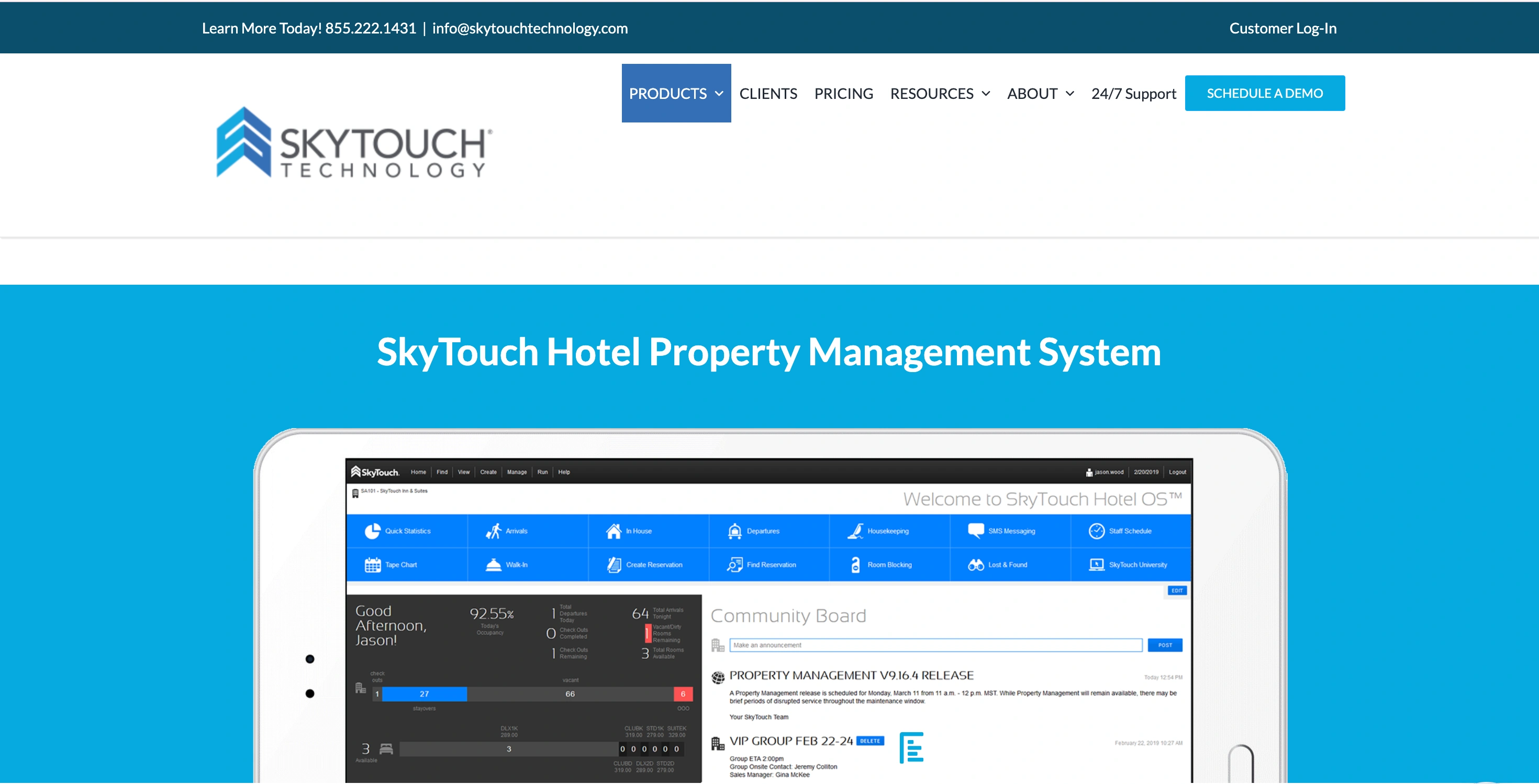
A modern PMS supports corporate hotel discount management through flexible rate plan tools that let a hotel build and restrict a negotiated rate.
roommaster does not market a feature called a corporate rate code, or a closed user group. This article will not pretend otherwise. What it does offer, on both its booking engine and property management pages, is the ability to "create flexible rates and promotional offers." That gives a hotel the building blocks to construct a corporate discount, using the same rate plan engine built for any other offer.
roommaster describes the capability this way: "Flexible Rate Plans: Boost occupancy with tailored rate options like early bird discounts, non-refundable rates, or extended-stay deals, appealing to diverse guest needs." A hotel can apply that same flexibility to a business account, attach the dates and length-of-stay rules the agreement calls for, then limit distribution so it never reaches public channels.
This matters because a corporate hotel discount sits on top of the rack rate structure every other rate is cut from. As one roommaster resource on rack rate notes, "TMCs, corporate buyers, consortia, and wholesalers still structure their pricing models based on rack rate discounts."
Corporate hotel discounts are one piece of a wider sales approach that also covers group business, local outreach, and repeat guest programs.
{{cta-strip}}
Frequently Asked Questions
1. What is a corporate hotel discount?
A corporate hotel discount refers to a private, negotiated rate a hotel sets for one business account.
2. How much of a discount do hotels typically offer for a corporate rate?
Discount depth depends on the property, the season, and the volume a business promises. There is no fixed industry percentage.
3. Can a hotel change or end a corporate rate agreement?
Yes. Most agreements include a review period, and either side can renegotiate or end the arrangement when it stops working.
4. Who is allowed to book a hotel's corporate discount?
Only guests tied to the company account named in the agreement, verified through a rate code, email domain, or ID at check-in.
5. Does a corporate hotel discount appear on booking sites like Expedia or Booking.com?
No. A properly restricted corporate discount stays off public distribution.
6. What is the difference between a corporate discount and a group rate?
A corporate discount covers ongoing individual travel for one company. A group rate applies to a single block of rooms tied to one event. Hotels usually price, code, and restrict the two very differently.


.png)
.png)
.png)