10 Best Hotel Management Software in the Australia (2026 Comparison)
"Everything is just so at your fingertips and quick, right from the call to the reservation to the check-in to the checkout. I would definitely recommend roommaster.” - Stacy Dadson, General Manager, Harrison Hall Hotel
Australian hotels operate under GST at 10% on accommodation, the Privacy Act 1988 administered by the OAIC, and a growing set of state-based short-term rental regulations that vary between New South Wales, Victoria, Queensland, and Western Australia.
OTA commissions take 15 to 25 percent of every booking they send you. The right hotel management software helps you win those bookings directly instead.
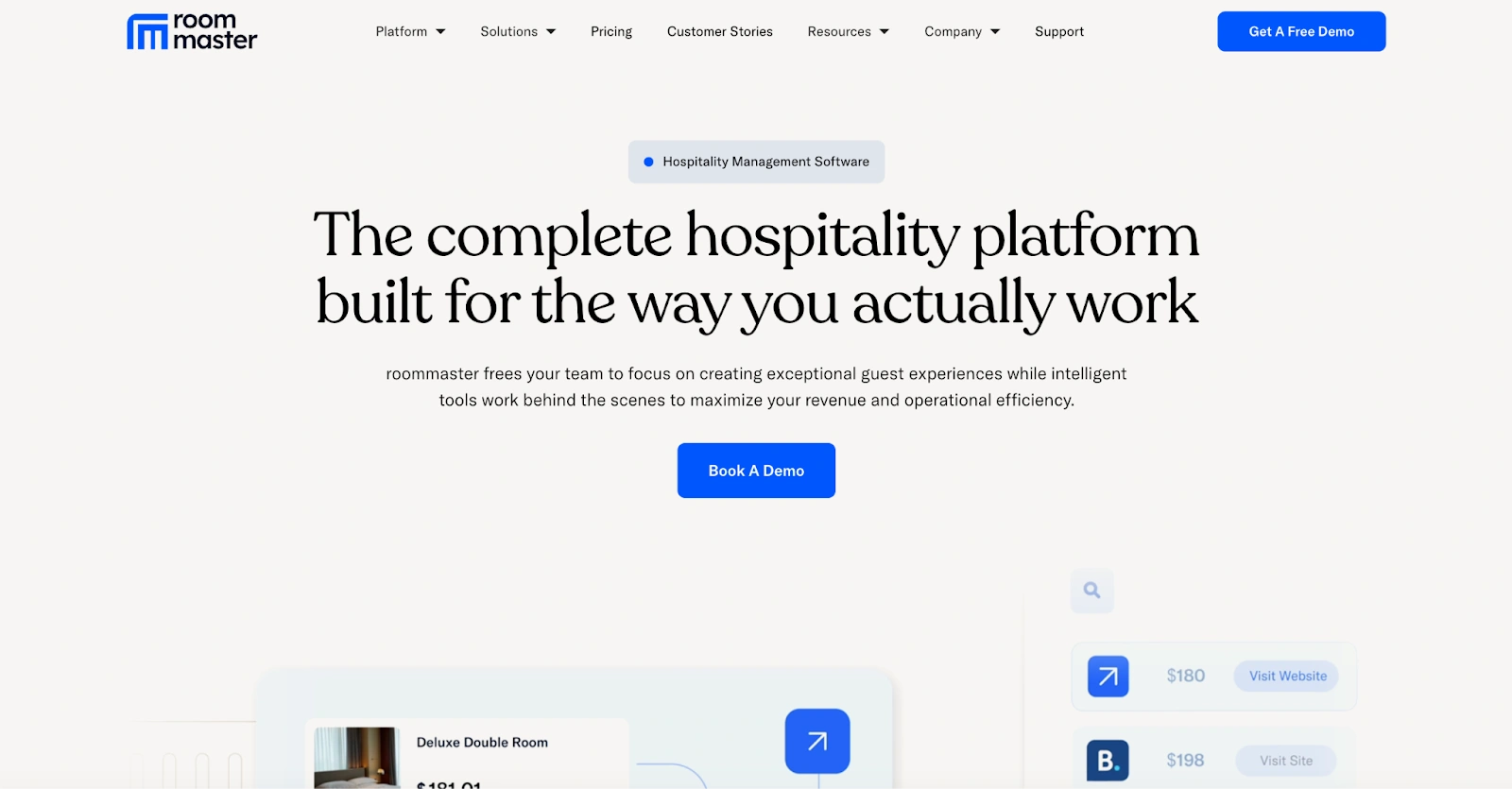
roommaster powers thousands of independent hotels worldwide from a single unified platform. It has held a 97% client retention rate for 30 years.
This guide compares the 10 best hotel management software platforms for Australian properties in 2026, from small B&Bs to multi-property hotel groups.
If you are ready to see how the right hotel management software performs for your Australian property, start with a roommaster.
Comparing the top 10 hotel management software in Australia for 2026: roommaster, Cloudbeds, Mews, Oracle OPERA Cloud, RMS Cloud, Little Hotelier, Hotelogix, Sirvoy, Preno, and eZee Absolute.
Running a hotel in Australia is operationally demanding. GST at 10% applies to accommodation and most ancillary services, and every invoice must reflect this correctly to satisfy the ATO. Victoria introduced a 7.5% Short Stay Levy on stays under 28 nights from January 2025. New South Wales caps short-term rental accommodation in Greater Sydney at 180 nights per year. Western Australia introduced mandatory short-term rental registration in January 2025. And on top of all this, Booking.com, Expedia, Wotif, and Agoda compete aggressively for the bookings your property should be capturing directly.
The platform you choose to manage all of this determines how much time your team spends on guests versus spreadsheets.
This guide covers the 10 best hotel management software options for Australian hotels in 2026. We break down what each platform does well, who it suits best, and how it performs on the criteria that matter most to Australian independent hoteliers.
Top 10 Hotel Software List in Australia for 2026
The best hotel management software in Australia depends on your property type, size, and operational complexity. Here is the full hotel software list for Australian properties in 2026:
roommaster - Best hotel management software for Australian independent hotels, boutique properties, and hotel groups. Unified platform with 30 years of hospitality expertise and a 97% client retention rate.
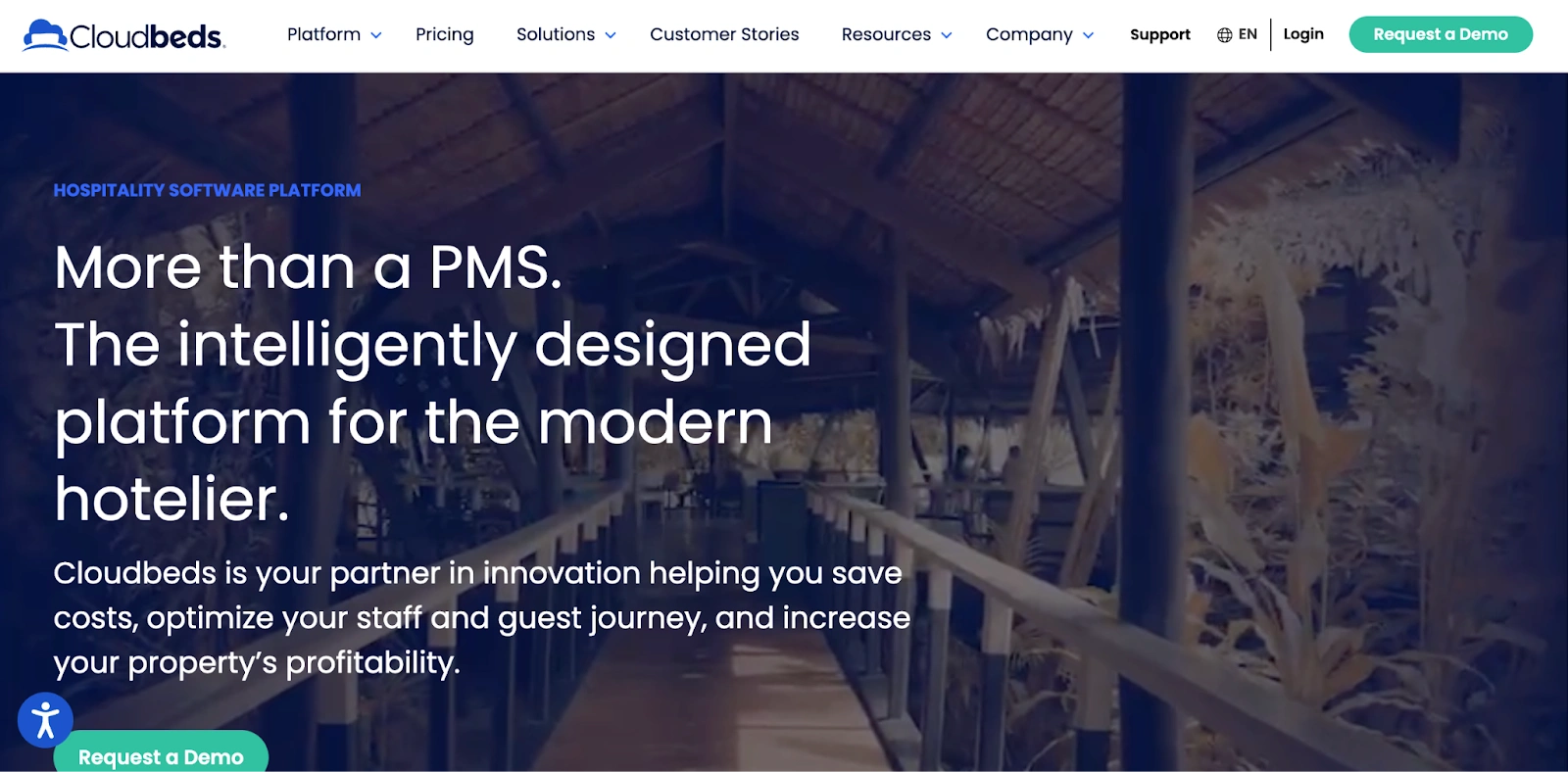
Cloudbeds - Award winning platform for independent Australian hotels seeking broad OTA distribution and a clean, intuitive interface.
Mews - Modern cloud PMS popular with boutique and lifestyle hotels in Sydney, Melbourne, and major Australian city centres.
Oracle OPERA Cloud - Enterprise standard used by branded Australian chains and large hotel groups.
RMS Cloud - Australian-born PMS founded in 1983, with deep roots in the Australian hotel, motel, and resort market.
Little Hotelier - Purpose-built for small Australian B&Bs, guesthouses, and boutique properties. Backed by Australian company SiteMinder.
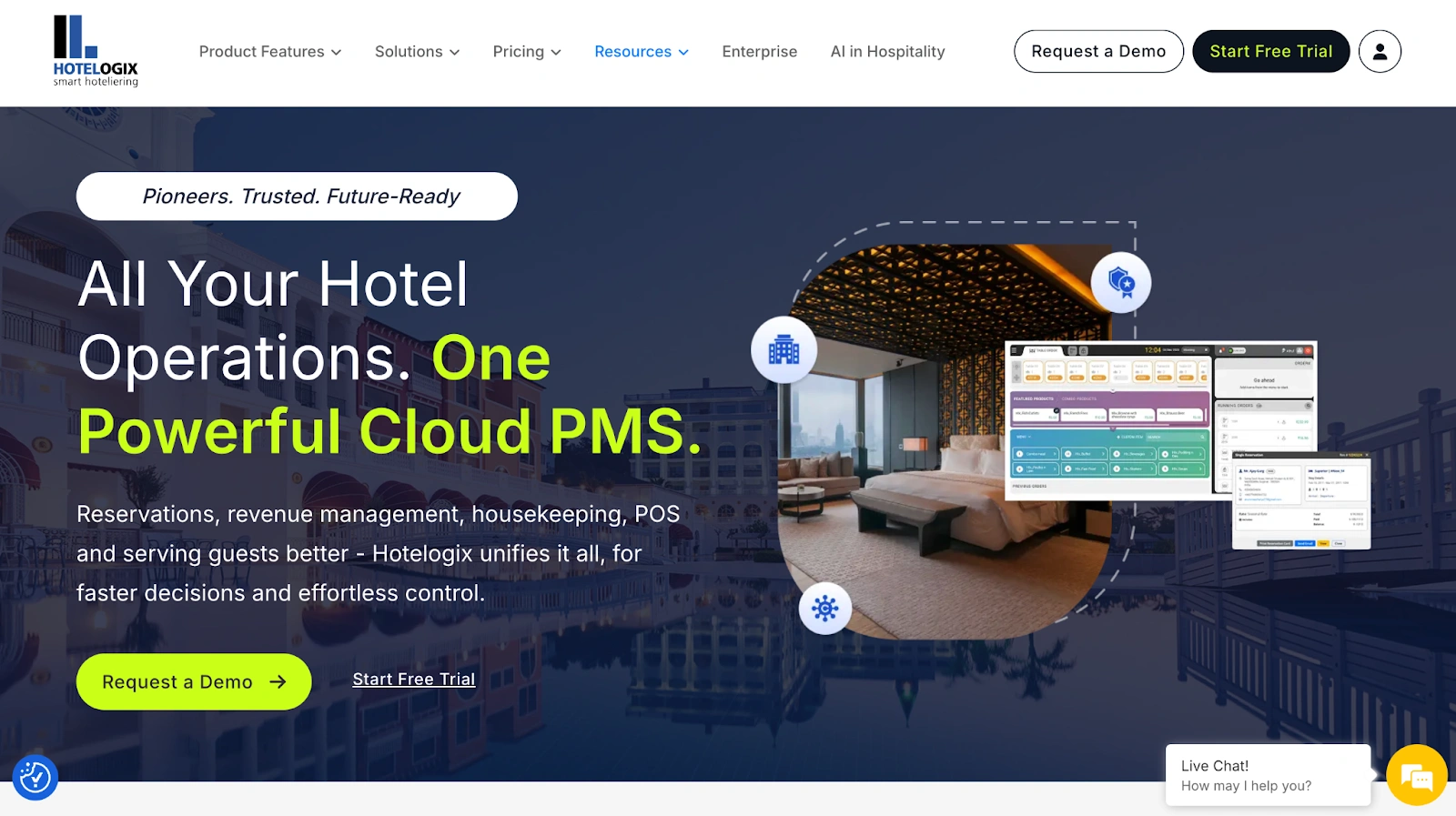
Hotelogix - Affordable cloud PMS suited for small to mid-size independent Australian hotels.
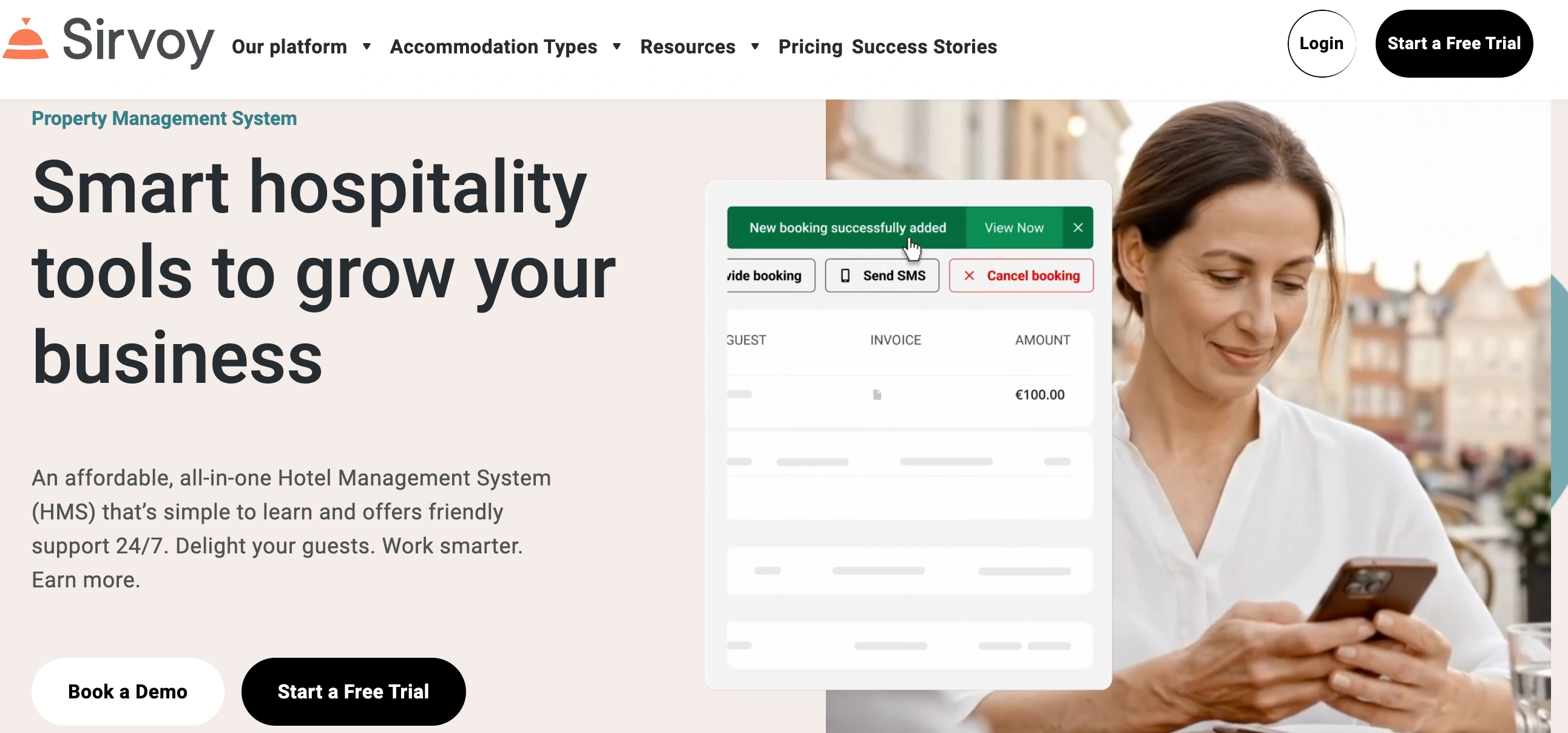
Sirvoy - Streamlined PMS for small to mid-size Australian hotels and accommodation providers.
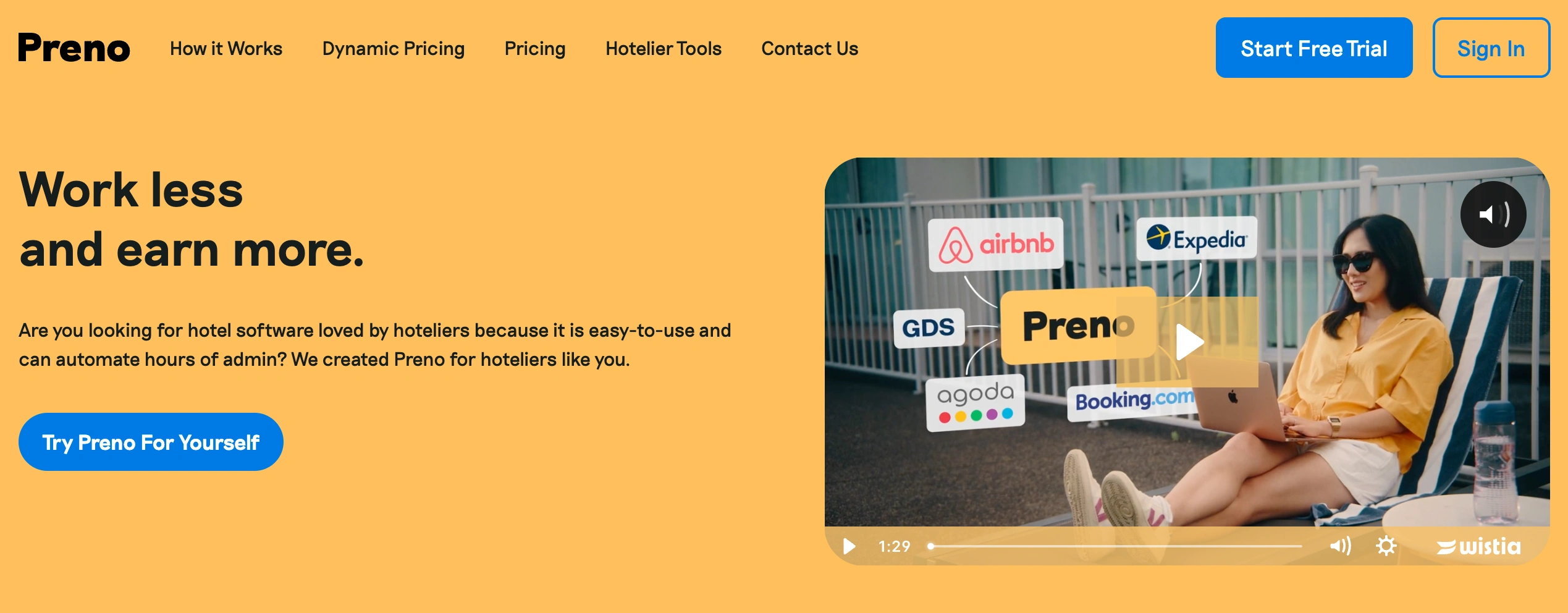
Preno - ANZ-focused all in one platform growing in popularity with independent Australian hoteliers.
eZee Absolute - Budget-friendly option covering core PMS functions for smaller Australian properties.
10 Best Hotel Management Software in Australia: At a Glance
Below, we compare the 10 best hotel software options in Australia side by side. Key features, pros, cons, and pricing to help you decide which fits your property best.
Platform
Best For
Pricing
Key Strengths
Support
roommaster
US independent hotels and hotel groups
Custom, by property size
Unified platform, 97% retention, 30 years in hospitality
24/7 support, comprehensive training
Cloudbeds
Independent hotels
Subscription
Broad OTA distribution
24/7
Oracle OPERA Cloud
Enterprise and branded chains
Enterprise licensing
Global depth, brand loyalty integration
Tiered SLA
Mews
Boutique and lifestyle hotels
Per room per month
Open API, contactless first, modern UI
24/7
Hotelogix
Budget conscious independents
Subscription tiers
Affordable, multi-department tools
Business hours
Little Hotelier
Micro-properties and B&Bs
Flat monthly
Simple setup, direct booking engine
Business hours
Agilysys
Resorts and full-service hotels
Custom
Native POS, F&B, spa, and golf modules
Enterprise SLA
StayNTouch
Mid-size independents
Per room per month
Contactless check-in, mobile workflows
US business hours
ThinkReservations
Small inns and B&Bs
Monthly subscription
Reliability, ease of use
Business hours
RoomKeyPMS
Independent US hotels
Custom
Established integration ecosystem
Business hours
What Is Hotel Management Software?
Hotel management software is the operational core of any hotel. It manages reservations, front desk workflows, housekeeping, billing, guest communication, and business reporting from a single platform.
A Property Management System, or PMS, is the foundational component. Most modern hotel management platforms now combine the PMS with channel management, a direct booking engine, revenue management tools, payments, and guest communication in one connected system.
For Australian hotels specifically, the right platform needs to handle the complexity of operating in a market with distinct national tax, privacy, and state-level regulatory requirements:
GST at 10% applied correctly to accommodation and ancillary services on every invoice issued to guests
Australian Privacy Act 1988 compliance for guest data handling, overseen by the OAIC
Real time OTA channel sync with Booking.com, Expedia, Wotif, Agoda, Airbnb, and the major GDS systems
A direct booking engine that converts Australian travellers in AUD
Revenue management tools calibrated to the competitive dynamics of the Australian market
Reporting built around the KPIs Australian hotel owners track: RevPAR, ADR, occupancy rate, and direct booking share
How We Evaluate Hotel Management Software Platforms
We assess each platform across six criteria that matter most to Australian hotel operators:
1. Core Operations: Can the platform handle reservations, front desk, housekeeping, billing, and reporting without constant workarounds? Is it practical for a hotel team under pressure at peak occupancy during school holidays and summer?
2. Australian Market Fit: Does the platform handle Australian GST configuration correctly? Does it connect to the OTAs Australian travellers use, including Wotif and Agoda? Does it work with the payment processors Australian hoteliers actually rely on?
3. Channel Management and Distribution: How broad and reliable is the OTA connectivity? How well does the platform maintain rate parity across channels? Does it include a direct booking engine that meaningfully reduces commission dependency?
4. Revenue Management: Does the platform support dynamic pricing, demand forecasting, and competitor rate monitoring? Can it help an Australian hotel owner make faster, better pricing decisions across peak seasons and major events?
5. Integrations: Does it connect to the tools Australian hoteliers already use? Accounting software, POS systems, keyless entry, and guest communication tools all need to work together reliably.
6. Support and Onboarding: Is support available when you need it? Is there an understanding of Australian hotel operations? What happens when something goes wrong during a peak weekend at a Queensland resort?
Top 10 Hotel Management Software Providers in Australia
1. roommaster - Best Overall for Australian Hotels
roommaster is the best hotel management software for independent Australian hotels, boutique properties, and hotel groups that want one platform for everything. It brings every operational and revenue function into a single login so your team is never switching between five different systems to do one job.
The platform covers property management for reservations, front desk, housekeeping, and billing.
The roommaster Booking Engine captures commission-free direct bookings through a mobile optimised, fully branded experience.
Hotel Metasearch puts your direct rates on Google, TripAdvisor, and Trivago right alongside OTA listings.
The Hotel Website Builder keeps your rates and availability synced to your property website automatically.
roommaster Revenue Management uses AI driven pricing to track competitor rates and respond to demand shifts without manual spreadsheet work.
roommaster Payments handles transactions securely and saves your team an average of 4 to 6 hours per week on payment reconciliation.
roommaster Concierge, powered by Sadie AI, recovers lost revenue from missed calls by answering every guest enquiry 24/7, handling bookings in multiple languages, and syncing confirmed reservations directly into your PMS.
The Hotel Guest App gives guests mobile check-in, digital room keys, real time service requests, and pre-arrival messaging.
This is not a collection of bolt-on tools. It is one platform, one login, and one support team behind all of it.
roommaster has been serving hotels for 30 years. It has maintained a 97% client retention rate - not because of contract lock-in, but because the platform genuinely works. Staff learn core functions in hours, not weeks, reducing training time by up to 50%. The platform guarantees 99.95% uptime. Front desk teams using roommaster complete check-ins up to 50% faster than legacy system users and handle 40% fewer admin tasks across the shift.
The Booking Engine's Premium tier has delivered 40% more direct bookings and a 35% higher conversion rate for properties that use it. Revenue Management tools have helped hotels increase RevPAR by up to 35%. The Channel Manager cuts OTA distribution management time by up to 85%. Wood River Inn, a 57-room independent hotel, increased direct bookings by 57% after switching to roommaster.
Thousands of hotels worldwide trust roommaster today. From a single boutique property to Riley Hotel Group running 17 properties across multiple locations, the platform scales without requiring a new system, new vendor, or new training programme.
Best for: Australian independent hotels (30 to 150 rooms), hotel groups managing 2 to 30 properties, boutique properties, resorts, motels, and B&Bs
Australian compliance: Full unified platform with 100+ hospitality system integrations including door locks, POS systems, accounting tools, CRMs, and reputation platforms. PCI DSS certified payments.
Pricing: Custom, based on property size and platform configuration
Pros:
Full platform in one login: PMS, Booking Engine, Channel Manager, Revenue Management, Payments, AI Concierge, and Guest App
30 years in the industry with a 97% client retention rate
99.95% uptime guarantee
Up to 50% faster check-in and 40% fewer admin tasks
24/7 expert support from hospitality-trained specialists
Scales from a single B&B to a 17-property hotel group without re-platforming
Cons:
Custom pricing requires a demo conversation before you have exact figures
"roommaster is really a combination between the operational ease of use, training, the functionality of the programme itself, coupled with the service makes it a winning combination." - Alex Moore, President and CEO, Seaboard Hotels
{{pms-one}}
2. Cloudbeds
Cloudbeds has a solid reputation among independent Australian hotels that want broad OTA distribution tools and a clean interface. The onboarding resources are strong and most hotel teams can navigate the platform without extended training. Hotels looking for a reliable reservations dashboard with good channel connectivity find Cloudbeds straightforward to adopt.
The platform handles core PMS functions well for most independent properties. Australian GST configuration requires manual setup, which adds ongoing configuration work for properties managing GST across accommodation, food, and ancillary services.
Best for: Independent Australian hotels, boutique properties, and mid-size accommodation operators
Australian compliance: Partial. Manual GST configuration required. Privacy Act support available.
Pricing: Subscription based; contact Cloudbeds for current rates
Pros:
Intuitive interface with strong onboarding resources
Broad OTA channel connectivity including Wotif and Agoda
Active product development with regular updates
24/7 customer support
Cons:
GST configuration requires manual setup for Australian-specific rate categories
Reporting depth is lighter than longer-established platforms in this comparison
Less suited to complex resort or full-service hotel operations
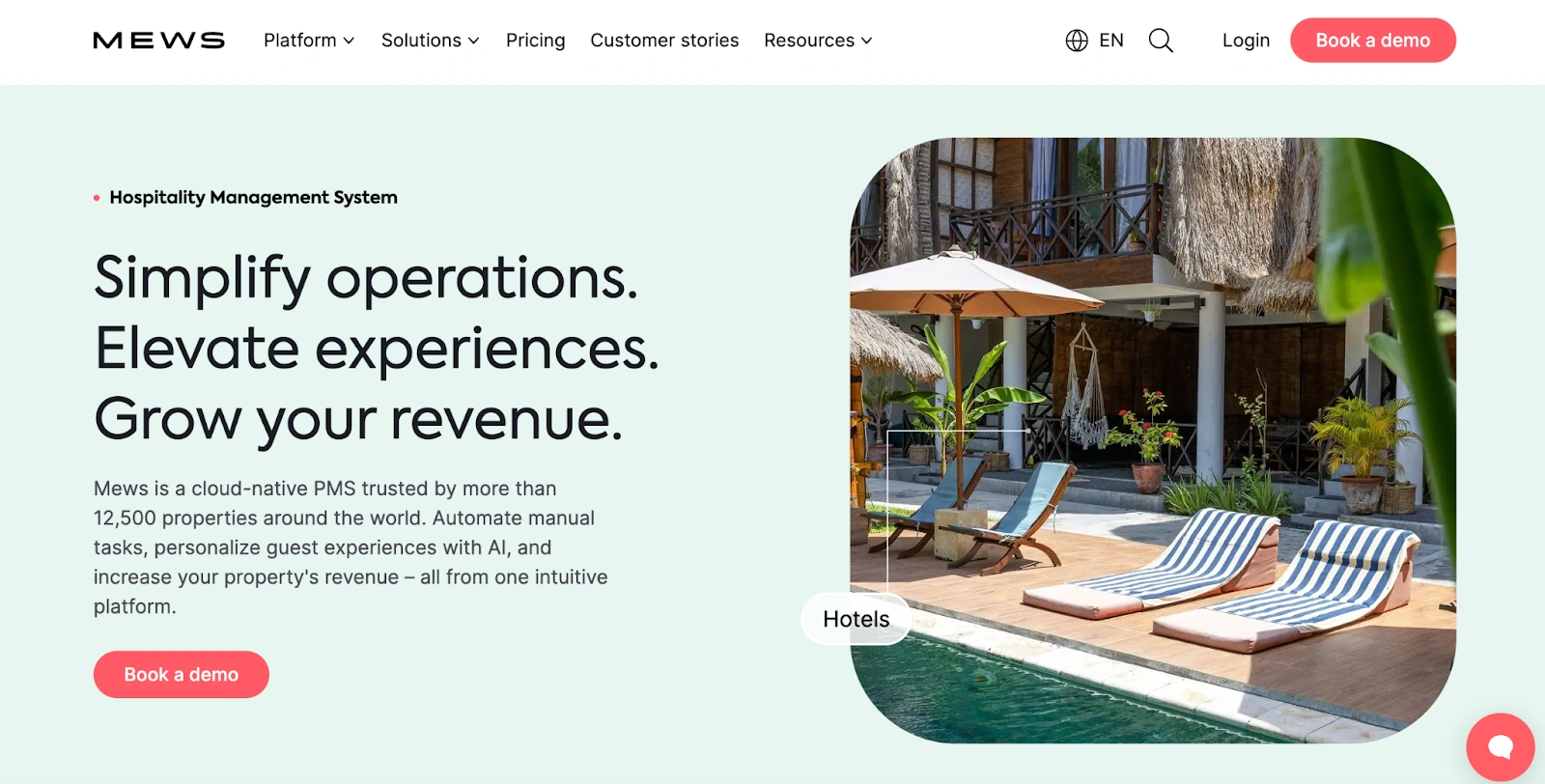
3. Mews
Mews has built a loyal following among boutique and lifestyle hotels in Sydney and Melbourne. Founded in Central Europe with a strong international presence, the platform is popular with design-forward independents who want a modern interface and an open API for custom integrations.
Contactless check-in tools are well-developed and resonated with Australian hotel operators who invested in low-touch guest journeys in recent years. GST configuration requires manual setup, which is standard across most platforms in this comparison outside specialist local options.
Best for: Urban boutique hotels, lifestyle properties, and design-led independents in Australian city centres
Pricing: Per room per month; contact Mews for current rates
Pros:
Modern interface that front desk teams learn quickly
Open API supports custom integrations
Strong contactless and mobile check-in tools
Active development team with frequent product updates
Cons:
GST configuration requires manual setup
Per room pricing scales up quickly for larger properties
Reporting depth is lighter than platforms with a longer Australian hospitality heritage
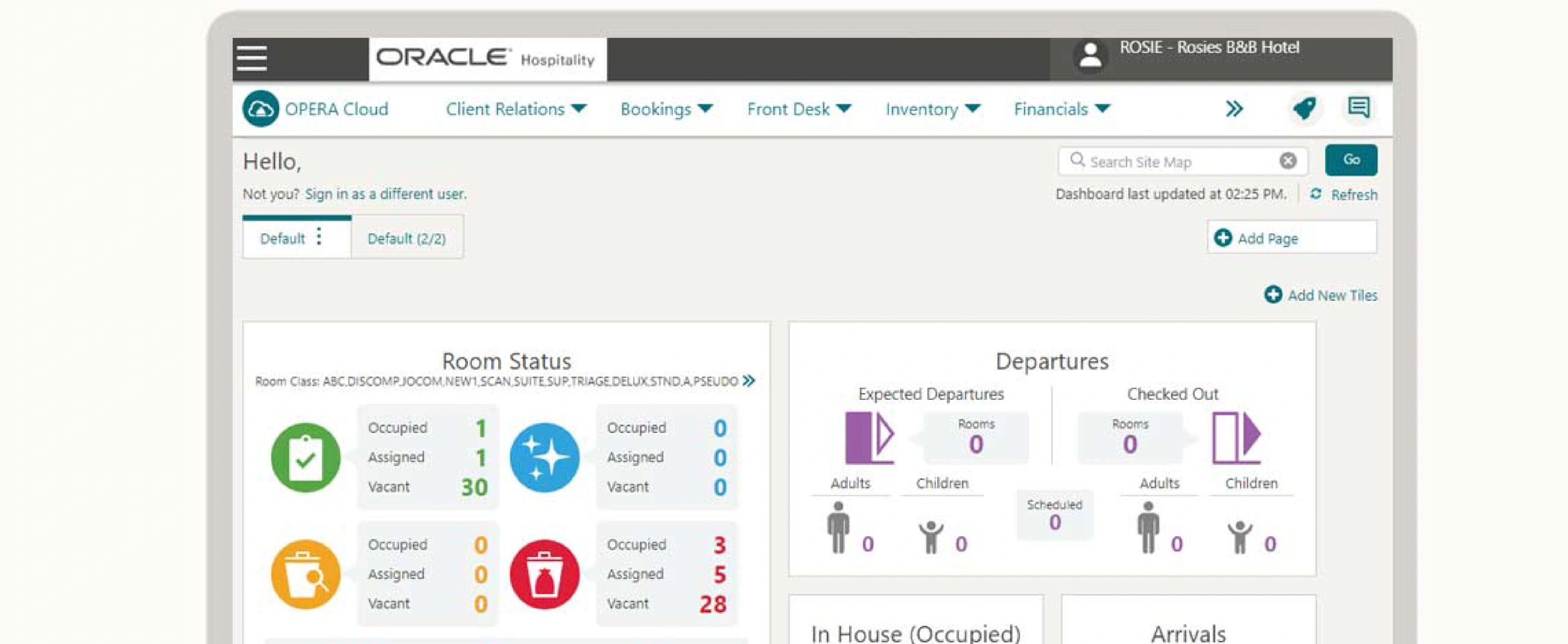
4. Oracle OPERA Cloud
Oracle OPERA Cloud is the enterprise benchmark for large, branded Australian hotel properties. International chains operating across Australia run on OPERA, and its depth in reservations management, loyalty programme integration, and global GDS connectivity is unmatched at the enterprise tier.
For independent Australian hotels, the cost and implementation complexity of OPERA is typically prohibitive. The platform is designed for global chains with dedicated IT departments, not independent hoteliers managing operations themselves.
Best for: Branded Australian hotel chains, large convention and resort properties, and luxury hotels with dedicated technology teams
Australian compliance: Full enterprise-level compliance tools available
Pricing: Enterprise licensing; contact Oracle for current rates
Pros:
Unmatched depth for enterprise hotel operations
Global GDS and OTA connectivity at scale
Strong loyalty programme integration for branded properties
Cons:
Expensive and complex for independent or smaller hotels
Implementation timelines of 3 to 12 months
Requires dedicated IT resources to manage and maintain
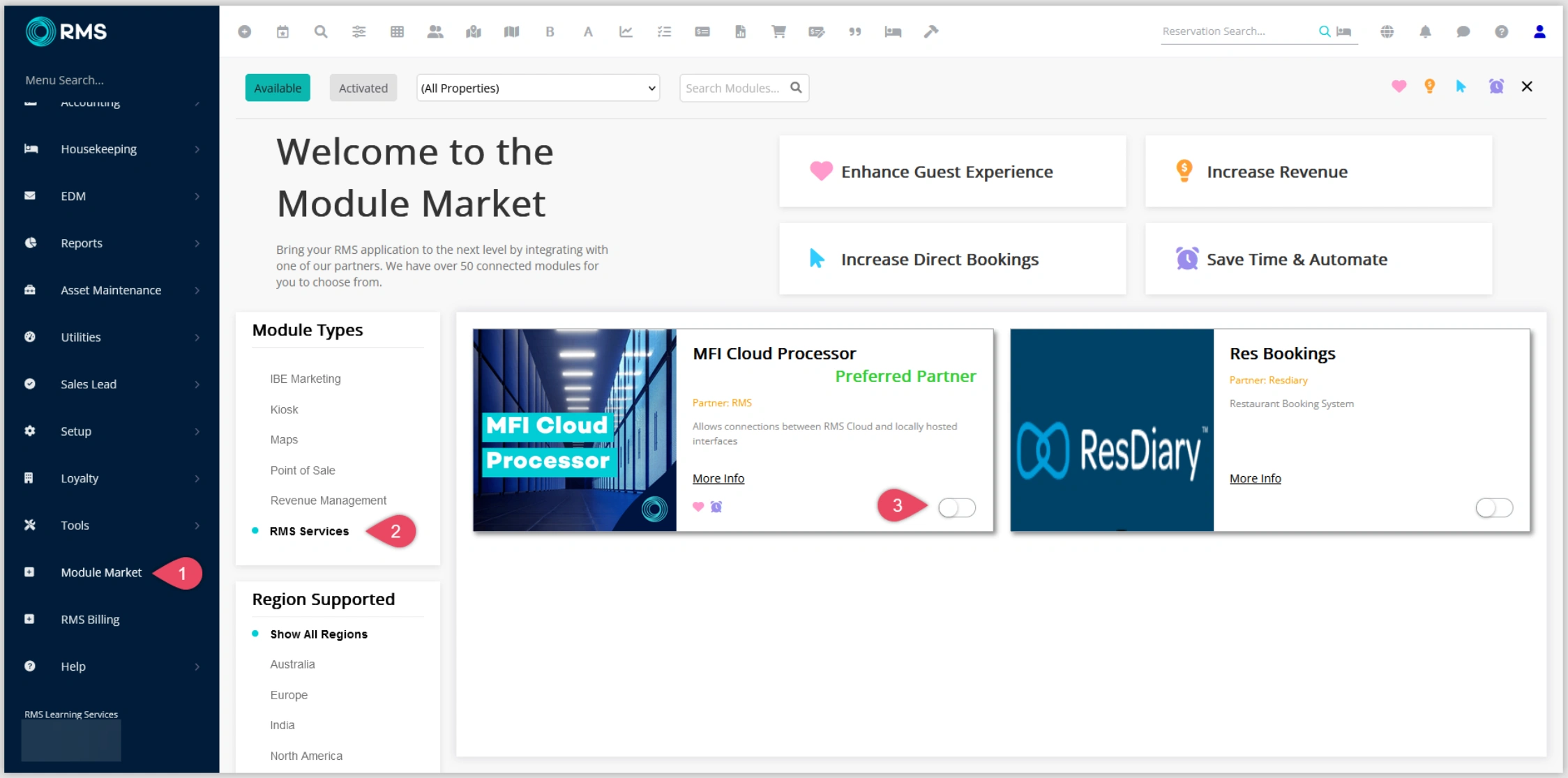
5. RMS Cloud
RMS Cloud was founded in Australia in 1983 and has been serving Australian accommodation operators for over four decades. It is one of the most established Australian-born property management platforms in the market, with deep roots in the hotel, motel, holiday park, and resort segments.
The platform is particularly well regarded among Australian operators who want locally developed software with a support team that understands the Australian accommodation market, including the specific operational needs of motels and regional tourism properties.
Best for: Australian hotels, motels, resorts, and tourism accommodation operators seeking a locally-born platform
Australian compliance: Partial. GST configuration support with Australian market awareness.
Pricing: Subscription based; contact RMS Cloud for current rates
Pros:
Australian-born with over 40 years serving the local market
Strong in the hotel, motel, and resort segment
Good channel management connectivity for Australian OTAs
Understanding of Australian accommodation operations
Cons:
Less innovation pace than newer cloud-first competitors
Integration ecosystem narrower than the leading global platforms in this comparison
Less depth in AI-driven revenue management than full-suite alternative
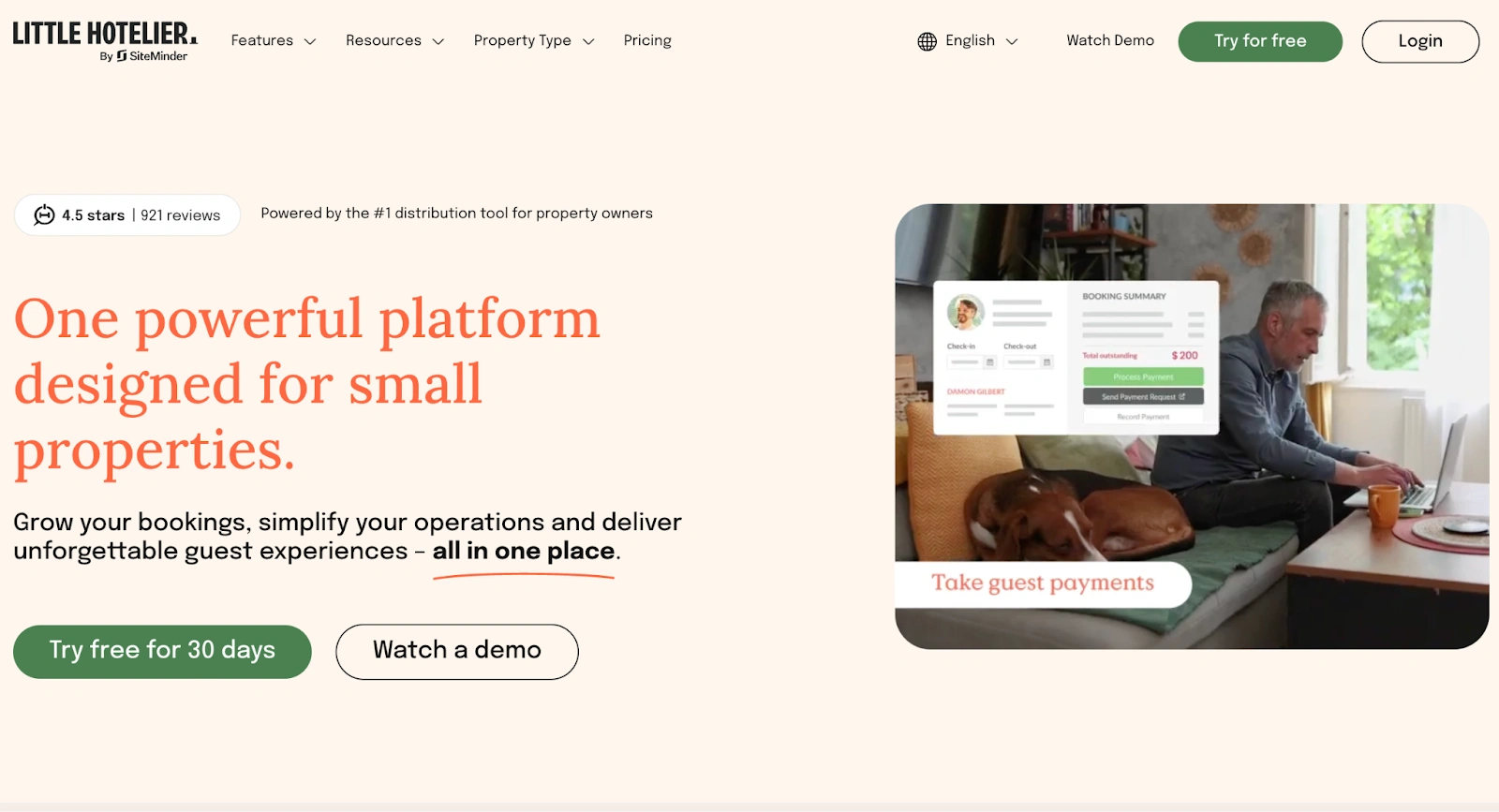
6. Little Hotelier
Little Hotelier is purpose-built for properties with 30 rooms or fewer. It is a popular choice among Australian B&Bs, guesthouses, and small coastal or regional inns. The setup process is straightforward, the direct booking engine works well for small property owners without a dedicated marketing team, and the OTA connectivity is reliable for the price.
Little Hotelier is backed by SiteMinder, one of Australia's leading hotel technology companies, which gives it strong OTA channel management capability even at the entry-level price point.
Best for: Australian B&Bs, guesthouses, small inns, and micro-properties under 30 rooms
Australian compliance: Basic. Limited GST automation.
Pricing: Flat monthly rate; contact Little Hotelier for current rates
Pros:
Straightforward setup with no IT expertise required
Strong OTA connectivity backed by SiteMinder's channel management infrastructure
Direct booking engine suited to small Australian property needs
Cons:
Quickly outgrown as properties scale past 30 rooms
Limited reporting and revenue management depth
Not suitable for hotel groups or complex multi-revenue operations
7. Hotelogix
Hotelogix offers a full-featured cloud PMS at a price point that works for smaller Australian properties that cannot justify enterprise software costs. The platform covers front desk, reservations, housekeeping, and channel management. A multi-property dashboard is available for owners managing more than one location.
GST configuration requires manual setup, which adds ongoing work for Australian properties managing multiple GST categories across accommodation and services.
Best for: Small independent Australian hotels, motels, and budget accommodation operators
Australian compliance: Partial. Manual GST configuration required.
Pricing: Subscription tiers; contact Hotelogix for current rates
Pros:
Affordable entry point for small properties
Multi-department and multi-property tools included
Cloud based with no hardware requirements
Cons:
Manual GST configuration required for Australian-specific rate categories
Support quality and response times can vary
Interface is more dated than modern alternatives in this comparison
8. Sirvoy
Sirvoy is a streamlined cloud PMS designed for independent hotels, B&Bs, and hostels that want a clean, uncomplicated system without enterprise-level complexity or cost. The platform is available globally and has a growing presence among Australian small to mid-size accommodation providers.
It covers the core PMS functions well and is particularly well suited to operators who want a dependable, easy-to-manage system without a long list of features they will never use.
Best for: Small to mid-size Australian independent hotels, B&Bs, and guesthouses
Australian compliance: Basic. Manual GST configuration required.
Pricing: Monthly subscription; contact Sirvoy for current rates
Pros:
Simple, clean interface that staff learn quickly
Affordable pricing for small to mid-size properties
Reliable core PMS functionality
Cons:
Limited revenue management and reporting depth
Not built for multi-property or larger hotel operations
Integration ecosystem narrower than full-suite competitors
9. Preno
Preno is a New Zealand-based hotel management platform that has been growing its presence in the Australian market. The platform is designed specifically for independent hotels and small groups in the ANZ region, with an all in one approach that combines front desk, channel management, and a direct booking engine.
It has built a loyal user base among small to mid-size Australian independents who want a locally developed ANZ alternative to the global platforms.
Best for: Small to mid-size Australian independent hotels and groups seeking an ANZ-built option
Australian compliance: Partial. GST configuration available with ANZ market awareness.
Pricing: Subscription based; contact Preno for current rates
Pros:
ANZ-focused with genuine understanding of Australian hotel operations
All in one platform combining front desk, channel management, and booking engine
Growing Australian customer base with active support
Cons:
Less revenue management depth than full-suite platforms
Integration ecosystem narrower than global market leaders
Less widely known internationally, which can affect OTA connectivity breadth
10. eZee Absolute
eZee Absolute is a cloud PMS from eZee Technosys with a global customer base. The platform covers core PMS functions at a price point that appeals to smaller Australian properties working with tight technology budgets. It is not the most Australia-specific platform in this comparison, but for a small independent hotel or guesthouse needing affordable core functionality, eZee Absolute covers the basics reliably.
Best for: Small Australian budget properties, guesthouses, and accommodation operators with straightforward operational needs
Australian compliance: Basic. Manual GST configuration required.
Pricing: Subscription based; contact eZee for current rates
Pros:
Affordable entry point for smaller properties
Core PMS functions covered reliably
Cloud based with low hardware requirements
Cons:
Manual GST configuration required
Support availability can vary by time zone relative to Australian operating hours
Less Australia-specific customisation than locally developed alternatives
{{pms-five}}
10 Important Features of Hotel Management Software for Australian Hotels
1. Cloud Operations
A cloud PMS means your team manages operations from any device, anywhere. For Australian hotel owners overseeing remote regional properties or multiple sites across different states, cloud access is not a nice-to-have. It is essential.
2. Channel Management
Real time OTA sync with Booking.com, Expedia, Wotif, Agoda, Airbnb, and the major GDS systems prevents double bookings and maintains rate parity. Wotif is one of the most important OTAs in the Australian market. Your channel manager needs to handle it without manual intervention.
3. Direct Booking Engine
Every OTA booking costs 15 to 25 percent in commission. A high-converting direct booking engine, priced in AUD and built for Australian travellers, reduces that dependency. It is one of the highest-return investments an independent Australian hotel can make.
4. Australian GST Configuration
GST at 10% applies to accommodation, food, and most ancillary services. Your PMS needs to apply the correct rate to every line item on every invoice and support accurate BAS reporting to the ATO. Incorrect GST invoicing creates compliance risk you do not need.
5. Australian Privacy Act Compliance
The Privacy Act 1988 and Australian Privacy Principles impose specific requirements on how guest personal data is collected, stored, and used. Your PMS needs to support lawful data handling and give you the tools to respond to guest access requests when they come in.
6. Revenue Management and Dynamic Pricing
Australian hotel markets are highly seasonal and event-driven. School holidays, AFL finals, the Sydney New Year fireworks, and major concerts all spike demand sharply. Dynamic pricing tools that respond to these signals help you maximise RevPAR rather than leaving revenue on the table.
7. Secure Payment Processing
Your PMS needs clean, secure integration with the payment processors your property uses. PCI DSS certification is the baseline. EFTPOS and digital wallets are expected by Australian guests. Tyro, Stripe, Eway, and Square are among the most common processors in the Australian hospitality segment.
8. Metasearch Connectivity
Google Hotel Ads, TripAdvisor, and Trivago drive a significant share of Australian hotel bookings. A PMS that connects your direct rates to these platforms puts your property in front of travellers comparing options before they commit to a Wotif or Booking.com booking.
9. Reporting and Analytics
Strong reporting gives you the occupancy, ADR, RevPAR, and channel performance data you need to make daily and strategic decisions. For multi-property Australian operators, consolidated cross-property reporting is essential.
10. Guest Communication Tools
Automated pre-arrival messages, upsell prompts, and post-stay follow-ups improve guest experience and drive repeat bookings. These should run from within your PMS rather than from a separate disconnected tool that adds yet another system for your team to manage.
What Are the Most Important Benefits of Hotel Management Software in Australia?
A. Operational Efficiency
Hotel management software cuts the manual work that slows front desk teams down. Automated night audits, real time room status, and integrated billing mean your staff spend time with guests, not administration. Hotels using roommaster handle 40% fewer admin tasks per shift and complete check-ins up to 50% faster than teams on legacy systems.
B. Better Guest Experience
Australian guests expect fast, accurate service. A modern PMS supports mobile check-in, tracks guest preferences, automates pre-arrival communication, and enables upsell at the right moment. All of this runs in the background while your team focuses on face-to-face hospitality.
C. Revenue Growth
A direct booking engine reduces OTA commission spend. Dynamic pricing captures more revenue from high-demand periods, events, and peak seasons. Metasearch visibility puts your direct rates in front of travellers comparing options on Google. These gains compound. The roommaster Booking Engine has delivered 40% more direct bookings for Premium tier properties. Revenue Management tools have helped hotels increase RevPAR by up to 35%.
D. GST and Privacy Compliance Without the Overhead
GST compliance and the Privacy Act obligations are not optional. An ATO audit or an OAIC investigation is not something any hotel team wants to manage alongside day-to-day operations. The right hotel management software supports correct GST application on every invoice and guest data handling that aligns with the Australian Privacy Principles, keeping your records clean without a dedicated compliance team.
E. Scalability Across Properties and States
If you add a property, expand from New South Wales into Queensland, or bring on a new revenue centre like a spa or restaurant, your PMS needs to handle it without a re-platform project. A unified hotel management system like roommaster scales from one property to 17 locations without requiring a new system, new training programme, or a new vendor relationship.
How to Choose the Right Hotel Management Software for Your Property Size
1. Small Hotels, B&Bs, and Guesthouses (Under 20 Rooms)
At this size, simplicity and affordability matter most. You need a platform that sets up quickly, runs without IT support, and gives you a reliable direct booking engine alongside solid OTA connectivity. roommaster serves smaller Australian properties well for operators who expect to grow and want to avoid switching platforms later.
2. Independent Hotels (20 to 150 Rooms)
This is where your PMS choice has the largest impact on revenue and operations. You need strong channel management, solid revenue management tools, a direct booking engine that converts, and support available when your team needs it. roommaster is the strongest choice in this segment. roommaster offers significantly more depth in revenue management and platform integration.
3. Hotel Groups (2 to 30 Properties)
Multi-property Australian operators need consolidated dashboards, cross-property reporting, and centralised reservation management. The roommaster handles this natively.
Riley Hotel Group runs all 17 of its properties on a single roommaster platform. Seaboard Hotels has managed 4 properties on roommaster for over 25 years.
4. Full-Service Hotels, Resorts, and Convention Properties
Larger full-service properties need tight integration between rooms, F&B, events, and additional revenue centres.roommaster handles full-service hotel operations with the revenue management and channel distribution depth that larger Australian properties require.
State-Specific Considerations for Australian Hotel Operators
A. New South Wales
NSW is Australia's largest hotel market. Sydney alone generates the majority of Australia's international hotel room nights. Short-term rental accommodation in Greater Sydney is capped at 180 nights per year. Byron Shire applies a stricter 60-night cap. NSW requires mandatory STRA registration for all short-term rental properties. Your PMS needs to support accurate night-count tracking to stay within these limits. GST at 10% applies uniformly across all NSW accommodation.
B. Victoria
Victoria introduced a 7.5% Short Stay Levy on stays under 28 nights from January 2025. This levy applies on top of GST and must be collected by the operator and remitted to the State Revenue Office. Your PMS billing configuration needs to support this additional levy line item, separate from room rate and GST, before you accept short-stay bookings in Victoria. Some councils also apply a 90-night annual cap on unhosted short-term rentals.
C. Queensland
Queensland has no state-level STR tax or night cap at present, but Brisbane City Council introduced a local law requiring permits for short-term rental properties, effective from July 2026. Properties operating in Brisbane need to confirm how their PMS will support permit documentation within guest-facing booking flows. Cairns and the Gold Coast are major tourism markets with high OTA competition and strong demand for dynamic pricing capability.
D. Western Australia
Western Australia introduced mandatory short-term rental accommodation registration in January 2025 under the Short-Term Rental Accommodation Act 2024. Properties in the Perth metropolitan area have a 90-night annual limit without a development approval. Your PMS needs to support accurate occupancy tracking and documentation for compliance with this registration scheme.
E. South Australia and Tasmania
South Australia and Tasmania currently have lighter short-term rental regulation compared to the eastern states. Both are growing tourism markets with strong demand for boutique and wine-region accommodation. Barossa Valley and Adelaide Hills in South Australia, and Hobart and the Tamar Valley in Tasmania, are high-demand boutique hotel markets where dynamic pricing and direct booking tools deliver strong returns.
Hotel Management Software Price: What Australian Hotels Pay in 2026
The right hotel management software pays for itself. A well-configured direct booking engine alone typically recovers its monthly cost within the first few weeks by redirecting bookings away from OTA commission. Add operational efficiency gains and revenue management improvements and the return becomes clear quickly.
Pricing across this comparison varies significantly. Entry-level platforms for Australian micro-properties start at lower flat monthly rates. Full-featured platforms for mid-size independent hotels are typically priced per room per month or by subscription, depending on the vendor. Enterprise platforms like Oracle OPERA Cloud use custom licensing.
roommaster pricing is custom based on your property and feature configuration. Book a demo to receive a quote built around what your property actually needs, not a generic package that includes tools you will never use.
Contact each vendor directly for a current quote matched to your property size. Pricing for most platforms in this comparison is not publicly listed and varies based on property size, feature selection, and contract term.
Step-by-Step: Getting Started With Hotel Management Software in Australia
Step 1: Define Your Requirements
Before you evaluate a single platform, list what your property actually needs. Which GST categories apply to your accommodation, food, and services? Which OTAs are you live on, including Wotif and Agoda? What payment tools do you currently use? This list becomes your evaluation checklist.
Step 2: Book Demos With Your Top Three Options
A demo run against your actual property setup is worth far more than a product video. Bring your requirements list. Ask each vendor specifically how their platform handles your GST structure, your OTA channel setup, and your reporting needs.
Step 3: Audit Your Existing Data
Before migrating anything, audit your current reservation history, guest records, and rate structures. Clean data migrates cleanly. Disorganised data creates problems that take weeks to resolve after go-live.
Step 4: Train Your Team Before Go-Live
Your front desk team uses this platform every shift. Schedule structured training before launch, not after. Confirm what onboarding support is included in your contract before you sign anything.
Step 5: Run Parallel Operations During the Transition
For at least two weeks, run your new PMS alongside your existing system. This catches edge cases before they become guest-facing problems and builds team confidence before full cutover.
Step 6: Connect Your OTA Channels and Verify Rate Parity
Once live, connect your OTA channels systematically. Verify that rates and availability sync correctly across every platform, including Wotif. A misconfigured channel manager creates double bookings and rate parity issues that affect your standing with major Australian OTAs.
Step 7: Review Performance at 30, 60, and 90 Days
Set benchmarks before go-live. At 30, 60, and 90 days, review your direct booking conversion rate, OTA commission as a percentage of total revenue, front desk time spent on administration, and RevPAR versus the same period in the prior year.
roommaster Is the Best Hotel Management Software in Australia
Most hotel management software platforms do one or two things well. roommaster does all of it from a single platform, built specifically for the way independent hotels actually operate.
The average Australian hotel management setup requires your team to work across a PMS, a separate channel manager, a third-party booking engine, a standalone payment tool, and a disconnected revenue management solution from different vendors. Each is a separate contract. Each is a potential failure point. Each needs its own support call when something breaks.
AI Revenue Management that tracks competitor pricing and adjusts rates automatically
roommaster Payments with integrated billing and an average saving of 4 to 6 staff hours per week on reconciliation
roommaster Concierge powered by Sadie AI, which recovers lost revenue from missed calls by answering every guest enquiry 24/7, handling bookings in multiple languages, and syncing confirmed reservations directly into your PMS
Hotel Guest App with mobile check-in, digital room keys, and real time service requests
One platform. One login. One support team behind all of it.
The results from real hotels speak clearly:
Wood River Inn increased direct bookings by 57% using the roommaster Booking Engine
Seaboard Hotels has delivered at least 7% annual revenue growth using roommaster's yield management tools
Harrison Hall Hotel cut its operational workload in half after migrating to roommaster's cloud platform
Riley Hotel Group runs all 17 of its properties on roommaster and credits the support team's responsiveness as a core reason it has stayed for nearly two decades
roommaster has a 97% client retention rate because the platform works, and the support team behind it understands hotel operations. It has been in this industry for 30 years. 99.95% uptime is guaranteed. Your front desk does not go down during a peak summer weekend at your Gold Coast property.
Five reasons Australian hoteliers choose roommaster:
One unified platform covers every operational and revenue function. No managing five separate vendor relationships.
30 years of hospitality expertise shapes every feature decision. roommaster is built by hoteliers, for hoteliers.
A 97% client retention rate reflects genuine partnership. Thousands of hotels have stayed for years and decades.
99.95% uptime guarantee means your operations stay running when it matters most.
24/7 expert support from hospitality-trained specialists who understand hotel operations, not just software tickets.
"We evaluated a dozen systems, and nothing came close to how easy roommaster is to use. From managing bookings and rates to payments and guest communication - it's transformed how we run our entire operation." - Stacy Dadson, General Manager, Harrison Hall Hotel
If you are ready to see what the best hotel management software in Australia looks like for your property, book a demo with the roommaster today.
{{cta-strip}}
FAQs
What is the best hotel management software in Australia?
roommaster is the best hotel management software for independent Australian hotels and hotel groups. It combines property management, a direct booking engine, channel management, AI revenue management, integrated payments, and guest tools in a single unified platform. It has a 97% client retention rate and 30 years of hospitality experience behind it.
What is the hotel management software price for Australian hotels?
Pricing varies by property size and platform. Entry-level platforms for small Australian properties start at lower flat monthly rates. Full-featured platforms for independent hotels of 20 to 150 rooms are typically priced per room or by subscription, depending on the vendor. roommaster pricing is custom based on your property and configuration. Book a demo to receive a quote matched to what you actually need.
What should an Australian hotel look for in hotel management software?
Prioritise Australian GST configuration across all rate categories, Privacy Act 1988 compliant guest data management, OTA channel connectivity including Wotif and Agoda, a direct booking engine that reduces commission spend, and reliable support available in Australian time zones. Revenue management depth matters most for properties focused on growing RevPAR through seasonal demand and major event pricing.
How long does it take to implement hotel management software in Australia?
Implementation ranges from a few days for small micro-property platforms to 4 to 8 weeks for full-featured systems at mid-size hotels. Enterprise platforms like Oracle OPERA can take 3 to 12 months. roommaster targets 4 to 8 weeks for most property implementations, with dedicated onboarding support from day one.
Mayela Lozano is a content strategist with a passion for hospitality and technology. She collaborates with roommaster on content creation, highlighting how technology can streamline hotel operations and enhance guest satisfaction. When she’s not creating content, Mayela loves to travel and spend time with her two little ones, discovering new adventures and making memories along the way.
Join Thousands of Hotels Thriving with roommaster
The transition to roommaster is straightforward and efficient. Our implementation team handles data migration including reservations, guest profiles, and historical information.
The transition to roommaster is straightforward and efficient. Our implementation team handles data migration including reservations, guest profiles, and historical information.
How to Access a Hotel Lounge for Free: Guest Guide 2026
September 13, 2026
Hotel Management
Online Bookings
Hotel SEO Agency vs. Consultant vs. In-House
September 13, 2026
Hotel Management
Online Bookings
Hotel SEO: Boost Your Visibility in AI Search Results
September 13, 2026
Hotel Management
Types of Hotel Lounges: A Complete Guest Guide 2026
September 11, 2026
Hotel Management
Hotel Lounge Access Explained: A Guest's Guide 2026
September 11, 2026
Hotel Management
Hotel Lounge: Hoteliers Guide 2026
September 11, 2026
Hotel PMS
Hotel Management
SkyTouch Alternatives, and What Changes When You Switch
September 1, 2026
Marketing
Hotel Management
Christmas Vacation Packages: How to Design and Promote It
September 1, 2026
Hotel Management
Hospitality Trends
Hotel Digital Signage: Complete Buyer's Guide 2026
September 1, 2026
Online Bookings
Hotel Management
Unsold Hotel Room Inventory: A Complete Guide For Owners 2026
August 25, 2026
Join Thousands of Hotels Thriving with roommaster
See how roommaster's unified platform can work for your property. Our team will walk you through features tailored to your specific needs and operations.




.png)
.png)
.png)