This blog will help you understand where your property fits in the accommodation landscape. Tourism accommodation covers far more than traditional hotels. Motels, resorts, hostels, and vacation rentals all compete for the same guests. Understanding this landscape helps you position your property clearly. It also helps you price, market, and operate with more confidence. Every accommodation type shapes traveler expectations in your market. This guide looks at accommodation types through an operator’s lens, not a traveler’s.
What Does Accommodation Mean in the Tourism Industry?
Accommodation in the tourism industry means any paid lodging that hosts travelers overnight. This includes hotels, motels, resorts, hostels, bed and breakfasts, vacation rentals, serviced apartments, and campgrounds. Accommodation is one of the largest sectors within tourism. It exists alongside transport, attractions, and food service. Together, these sectors make up the full travel experience. For operators, accommodation is the business itself, not just an industry term.
Analysts often split accommodation into two broad groups. Serviced accommodation includes hotels, resorts, and B&Bs with staff support. Non-serviced accommodation includes vacation rentals and self-catering cottages. Guests choose based on the level of service they want. Both groups compete for the same travel dollars.
Accommodation is also split by commercial purpose. Commercial accommodation operates for profit, like hotels and motels. Non-commercial accommodation exists mainly for guest welfare, not profit. Hospitals, hostels run by charities, and some dormitories fall into this group. Most operators reading this guide run commercial accommodation businesses. Your competition comes almost entirely from this commercial group.
Why Understanding the Accommodation Landscape Matters for Operators
Independent hotels do not compete only against other hotels. A boutique inn competes with nearby vacation rentals too. It also competes with budget motels and larger resort chains. Every accommodation type draws from the same pool of travelers. A guest booking a weekend trip compares hotels, rentals, and B&Bs side by side. They often decide based on price, location, and reviews, not property type.
This means independent operators need a wider view of their competition. Knowing how vacation rentals price against your rooms informs your own rates. Knowing why guests pick hostels over budget hotels shapes your marketing. This broader awareness helps you position your property with more clarity. It also helps you defend your rates against larger, well-funded competitors.
Independent and boutique properties bring something chains often cannot. They offer personal service, local character, and flexible guest experiences. But guests will not find these advantages without clear positioning. Operators who understand the full accommodation landscape market these strengths better. They also make sharper decisions about pricing, amenities, and distribution.
Search behavior reflects this cross-category competition too. Travelers researching a destination often compare hotels, rentals, and B&Bs in one search. Search engines and metasearch tools mix these results together. A guest rarely searches for one accommodation type in isolation. This makes destination-level awareness a real advantage for independent operators.
The Main Categories of Accommodation in Tourism
Hotels
Hotels remain the largest and most recognized accommodation category. They range from budget properties to five-star resorts. Most hotels offer daily housekeeping, front desk service, and food options. Star ratings often signal the expected service level to guests. Independent hotels compete here by offering more personal attention than large chains. Independent hotels also often outperform chains on personalized guest recognition. This recognition builds repeat bookings over time.
Running a hotel well requires coordinating reservations, housekeeping, and front desk work at once. Smaller teams often struggle to manage all three manually. Independent hotels need the same operational backbone that chains use internally. A property management system helps small teams handle these tasks without extra hires.
Motels
Motels serve road travelers who need simple, convenient overnight stays. They typically offer direct room access from parking areas. Motels compete on price, location, and speed of check-in. Many sit along highways or near travel corridors. Independent motels often win loyalty through friendly, consistent service. Clean rooms and quick service often matter more than amenities here.
Bed and Breakfasts
Bed and breakfasts, or B&Bs, offer a smaller, more personal stay. Hosts often live on-site and serve breakfast daily. Guests choose B&Bs for local knowledge and one-on-one hospitality. B&Bs compete with hotels and vacation rentals in the same destinations. Their advantage lies in warmth, not scale. This makes them memorable, even against larger, better-funded competitors.
Resorts
Resorts combine lodging with on-site dining, activities, and leisure facilities. Guests often stay longer at resorts than at standard hotels. Resorts compete with vacation rental communities offering similar amenities. Independent resorts differentiate through curated experiences and personal guest relationships. Independent resorts often build strong repeat-guest relationships over multiple seasons.
Vacation Rentals
Vacation rentals include private homes, condos, and apartments listed for short stays. They appeal to families and groups wanting more space and privacy. Vacation rentals have grown quickly through online marketplaces in recent years. They now compete directly with hotels and resorts for the same travelers. Independent hotels can respond with service vacation rentals cannot offer. Daily housekeeping and front desk help are examples. Guests often weigh these trade-offs before choosing where to stay.
Serviced Apartments
Serviced apartments target longer-stay guests, including business travelers. They combine apartment-style space with hotel-style services. Guests get kitchens and living areas, plus regular housekeeping. Serviced apartments compete with extended-stay hotels and furnished vacation rentals. Business travel demand keeps this category growing in many cities.
Campgrounds and Parks
Campgrounds and parks offer outdoor-focused accommodation, from tent sites to cabins. They appeal to travelers seeking nature-based experiences. This category has grown alongside outdoor tourism demand. Parks compete with budget hotels and cabins in similar destinations.
Other and Emerging Formats
Newer formats keep appearing inside the accommodation landscape too. Glamping sites blend outdoor stays with hotel-level comfort. Extended-stay hotels target guests who need weeks, not nights. Boutique and lifestyle hotels focus on design and local identity. Each format pulls a slightly different traveler from the same overall demand. Operators should watch these formats, even outside their own category.
What Differentiates Independent and Boutique Properties
Independent and boutique properties cannot out-spend large chains on marketing. They also cannot match chain-wide loyalty programs easily. Instead, they win through personal service, local character, and flexibility. Guests often choose independents for a more authentic experience.
To compete, independent operators need efficient back-office operations. Manual processes eat into time better spent on guests. This is where the right property management tools matter. They let small teams run efficient operations without added headcount.
“roommaster makes running Nuvo Suites so much easier, everything’s in one place, from bookings to housekeeping. It’s extremely customisable.”
— Jorge Venegas, General Manager of NUVO Suites
How roommaster Supports Independent Accommodation Providers
Independent hotels, motels, resorts, and boutique properties all share one challenge. They must run efficient operations with smaller teams than major chains. roommaster provides the operational backbone these properties need to compete.
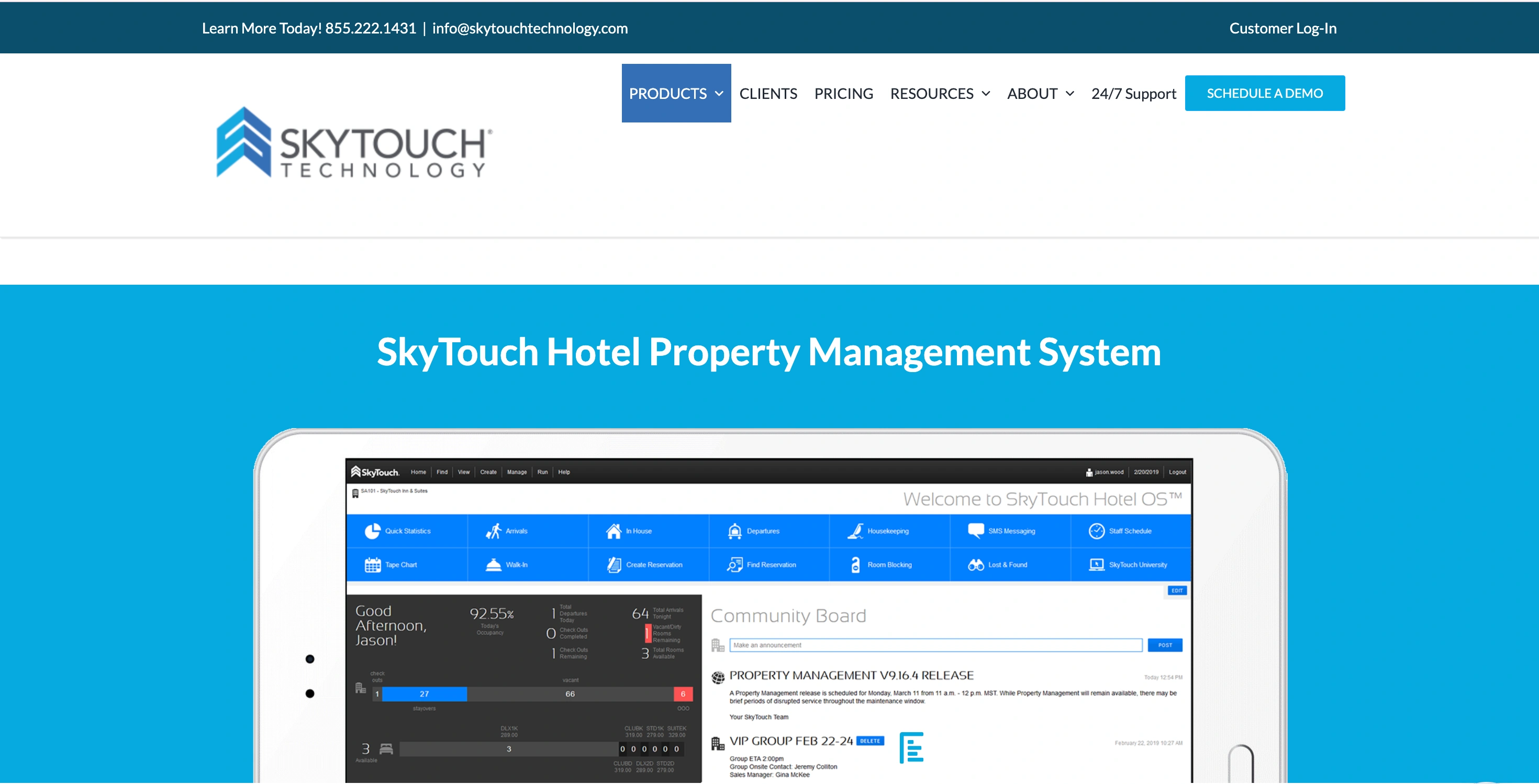
roommaster brings reservations, front desk, and housekeeping into one system. The platform also includes a booking engine and channel manager. These tools help independent properties reach hundreds of OTAs and all major GDS directly.
“I don’t have to worry about back-office stuff. We can worry about selling hotel rooms.”
— Ryan Allison, Owner of Wood River Inn
That is the real payoff of a connected system. Staff spend less time on data entry. They spend more time on guests.
roommaster serves thousands of hotels worldwide, across many accommodation types. This includes independent hotels, bed and breakfasts, motels, resorts, and parks. The company brings 30+ years of industry experience to every property it serves. roommaster maintains a 97% client retention rate. roommaster also guarantees 99.95% uptime, so operators can rely on the system daily.
Multi-property groups face this same competitive pressure across several accommodation types at once.
“The customer service is fantastic. Talking to the same people year after year is wonderful.”
— Alex Moore, President and CEO of Seaboard Hotels. Read the full Seaboard Hotels case study for more detail.
For properties comparing accommodation types and competitors, operations matter as much as positioning. Learn more about how roommaster supports independent hotels on the property management page.
Understanding where your property fits is only the first step. The next step is running your operations efficiently enough to compete. A clear view of the landscape makes every decision easier. Book a demo to see how roommaster works for properties like yours.
{{cta-strip}}
Frequently Asked Questions
1. What is accommodation in the tourism industry?
Accommodation is any paid lodging that hosts travelers overnight. It includes hotels, motels, resorts, hostels, and vacation rentals. Operators view it as the core service they sell to travelers.
2. What are the main types of accommodation in tourism?
Main types include hotels, motels, B&Bs, resorts, hostels, vacation rentals, serviced apartments, and campgrounds. Each serves different traveler needs and budgets. Newer formats, like glamping and extended-stay hotels, are growing too.
3. Why is accommodation important in tourism?
Accommodation lets travelers stay overnight and explore a destination fully. It also supports local jobs and economic growth. Quality accommodation also shapes how travelers rate their whole trip.
4. What is the role of accommodation in the tourism industry?
Accommodation provides shelter, comfort, and hospitality to traveling guests. It works alongside attractions and transport to complete the travel experience. Without accommodation, most overnight travel could not happen at all.
5. What is the difference between lodging and accommodation?
Lodging usually refers to the physical place to sleep. Accommodation is the broader term covering all types of guest stays. In practice, most operators use both words interchangeably.
6. What is the difference between serviced and non-serviced accommodation?
Serviced accommodation includes staff support, like housekeeping and front desk help. Non-serviced accommodation, like vacation rentals, offers more independence and self-catering. Guests pick based on how much support they want during their stay.
7. What is commercial accommodation in tourism?
Commercial accommodation refers to properties operated for profit. This includes hotels, motels, resorts, and vacation rentals. Non-commercial accommodation, like some hostels and dormitories, serves a different purpose.
8. How do independent hotels compete with larger accommodation providers?
Independent hotels compete through personal service and local character. Efficient operations also help them compete on price. A property management system supports this. Clear positioning around local character also helps them stand out.

.png)
.png)
.png)