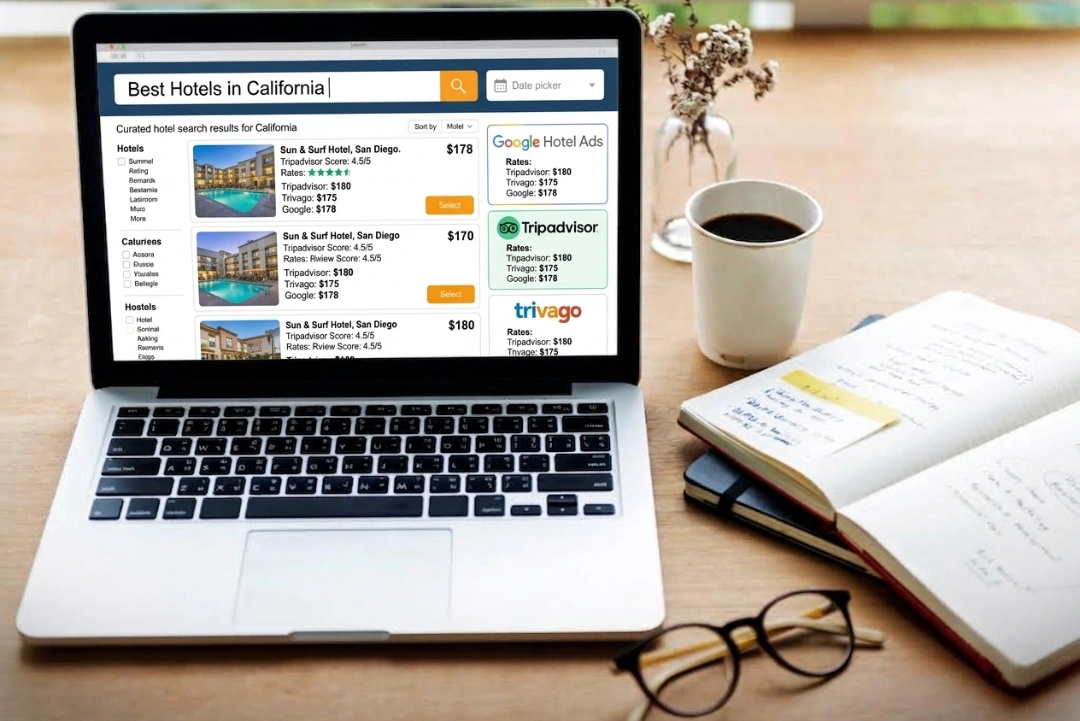
A hotel’s success depends largely on its ability to capture online direct bookings through its website.
A booking engine enables guests to view availability, room options, and make reservations instantly — all without using OTAs.
Cloud integration with your PMS ensures real-time pricing and availability updates, reducing overbookings and manual work.
Mobile-friendly, customizable booking engines provide a seamless user experience and strengthen brand identity.
Direct bookings boost profit margins by cutting OTA commissions and building stronger relationships with guests.
The success of a hotel depends heavily on its ability to capture online bookings, and central to this process is the hotel booking engine, a software tool integrated into a hotel’s website that allows guests to search for availability, view room options, and make reservations directly.
What is a Booking Engine?
A booking engine is an online application integrated with your hotel’s website, enabling potential guests to book rooms directly without using third-party platforms like online travel agencies (OTAs). It automates the reservation process, offering real-time availability and pricing while seamlessly updating your Property Management System (PMS). Booking engines are crucial for streamlining hotel operations, improving customer experience, and increasing revenue from direct bookings.
Key Features of a Booking Engine
Real-Time Availability & Pricing: Instantly display current room availability and pricing, reducing the risk of overbooking or miscommunication.
Mobile-Friendly Design: As a growing number of bookings come from mobile devices, a booking engine must be responsive, ensuring a seamless experience on smartphones and tablets.
Integration with PMS and Channel Manager: A good booking engine integrates directly with your Property Management System, automatically updating inventory and rates across all channels. A reliable hotel channel manager complements this setup by ensuring your room availability and pricing remain accurate across every OTA and metasearch platform in real time, eliminating the risk of double bookings or rate mismatches.
Customization: Customize your booking engine to align with your brand, including logo, color scheme, and personalized content to ensure a cohesive user experience.
Payment Gateways: Securely process payments, offering multiple methods such as credit cards, PayPal, or mobile payments.
Upselling & Add-Ons: Allow guests to upgrade rooms or add extras like airport transfers, meals, or spa packages during the booking process.
Why Direct Bookings Matter
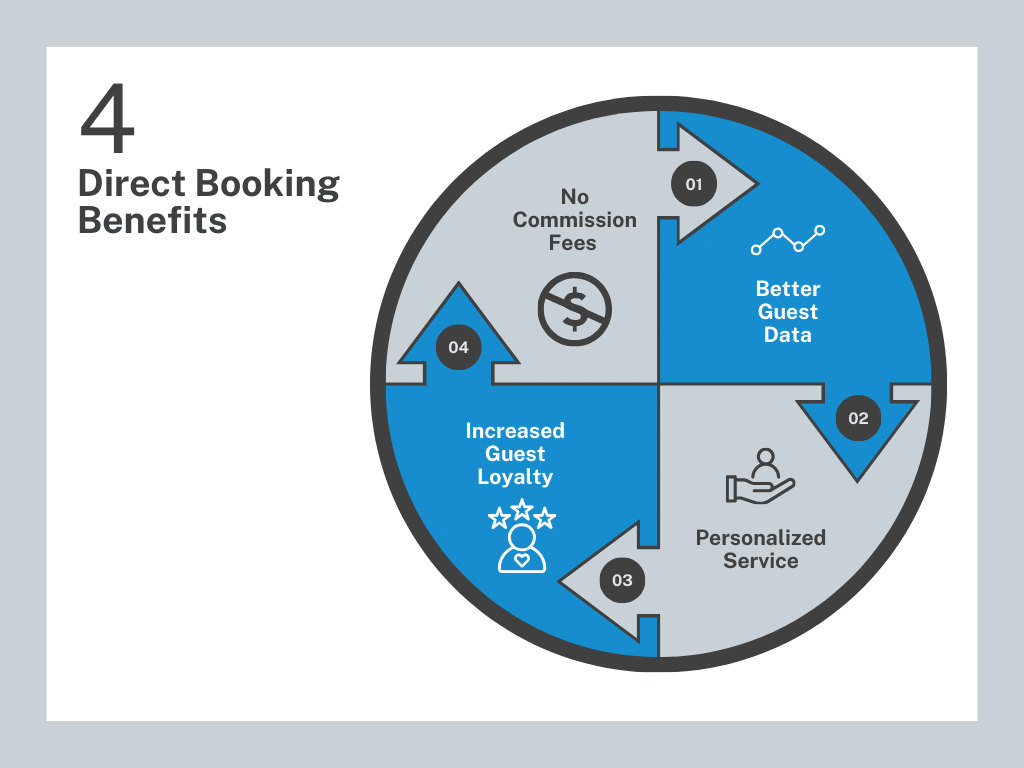
While OTAs are excellent tools for visibility, the high commission fees they charge can eat into a hotel’s profit margins. Direct bookings, on the other hand, allow hotels to:
Avoid Commission Fees: With direct bookings, you keep 100% of the revenue, avoiding the hefty commission fees associated with OTAs.
Build Guest Relationships: Direct communication with guests helps build a connection, allowing for personalized experiences, improved satisfaction, and better loyalty.
Access Valuable Data: When guests book directly, you gain access to valuable customer data, which can be used for personalized marketing campaigns, upselling, and loyalty programs. Integrating advanced hotel management software into your operations helps automate data collection and reporting, allowing your team to better analyze guest trends and enhance marketing personalization.
To maximize these benefits, hotels should implement proven strategies to increase direct bookings that help reduce OTA dependency and drive more revenue through their own channels.
How to Secure More Direct Bookings
Choosing the right booking engine is crucial for maximizing direct bookings and improving the guest experience. To make an informed decision, it’s important to evaluate different options. Here’s a detailed guide on the best hotel online booking engines available today.
Optimize Your Website for Conversions
Your hotel’s website is the first touchpoint for many guests, and it should be optimized to encourage direct bookings. Here’s how:
Mobile Responsiveness: Ensure your website is mobile-friendly, as a growing number of travelers book rooms via mobile devices.
Clear Call-to-Actions (CTAs): Use prominent CTAs like “Book Now” on every page of your website to guide visitors toward making a reservation.
Fast Load Times: A slow website can cause visitors to leave before booking. Optimize images and improve load speed to enhance the user experience.
Offer Exclusive Deals
To incentivize guests to book directly through your website, offer exclusive perks or discounts that OTAs can’t match:
Member Discounts: Create a members-only rate or loyalty program for returning guests.
Value-Added Packages: Bundle extras such as free breakfast, spa treatments, or room upgrades with direct bookings.
Best Rate Guarantee: Advertise that guests will always find the lowest available rate on your website, instilling confidence in direct booking.
Enhance the User Experience with a Seamless Booking Engine
Invest in a user-friendly, fast, and visually appealing booking engine. It should require minimal clicks and be easy to navigate for both tech-savvy and less experienced users. Features to focus on include:
Multi-Language Support: Ensure your booking engine is accessible in multiple languages to cater to international guests.
Multiple Currency Options: Allow guests to see pricing in their preferred currency, making the booking process more transparent.
Simple Booking Flow: The fewer steps it takes for guests to complete a booking, the higher the likelihood of conversion.
{{booking-engine-one}}
Leverage Search Engine Optimization (SEO)
A well-optimized website ensures you rank higher in search engine results, attracting more direct traffic. Here’s how to use SEO effectively:
Targeted Keywords: Use relevant keywords in your content, such as “luxury hotel in [City]” or “best boutique hotels in [Destination].”
Local SEO: Optimize for local search terms, making sure your hotel appears in searches for nearby attractions and accommodations.
Content Marketing: Regularly post engaging, SEO-rich content about local events, travel tips, and hotel amenities to drive organic traffic.
Implement Retargeting and Marketing Strategies
Marketing is key to securing direct bookings. A combination of retargeting ads and email campaigns can keep your hotel top-of-mind for potential guests who have visited your website or abandoned their booking:
Retargeting Ads: If a guest visits your site but doesn’t book, retarget them with special offers through display ads or social media.
Email Marketing: Send personalized emails with exclusive deals, reminders, and tailored messages to encourage past guests or site visitors to book directly.
Build Trust with Social Proof and Reviews
Guests often trust other travelers’ experiences more than promotional content. Encourage guests to leave positive reviews on your website, social media, and platforms like TripAdvisor or Google.
Showcase Testimonials: Feature guest reviews prominently on your booking page to build credibility.
Highlight Awards and Certifications: Display any awards or industry certifications that can reassure guests of your hotel’s quality.
Leverage Metasearch Engines
Metasearch platforms, such as Google Hotel Ads or Trivago, allow users to compare rates across OTAs and hotel websites. Ensure that your direct booking rate appears on these platforms so potential guests can see it.
Rate Parity: Ensure that the rates displayed on metasearch engines match or beat those shown on OTAs to encourage direct bookings.
Visibility: Use metasearch advertising to increase the visibility of your hotel and direct booking option.
FAQs
1. What is a hotel booking engine?
A booking engine is software integrated into your hotel’s website that allows guests to view real-time availability, compare room types, and make reservations directly — without going through third-party booking sites.
2. Why are direct bookings important for hotels?
Direct bookings eliminate OTA commission fees, give hotels complete control over guest relationships, and provide valuable customer data for marketing and loyalty programs.
3. How can hotels increase direct bookings?
Hotels can secure more direct bookings by optimizing their website, offering exclusive deals, ensuring a smooth booking flow, and using SEO and retargeting campaigns effectively.
4. What features should a good booking engine have?
An effective booking engine includes real-time availability and pricing, mobile responsiveness, PMS integration, secure payment gateways, and upselling options like add-ons or upgrades.
5. How does SEO help in driving direct bookings?
SEO helps hotels appear higher in search results, attracting more organic visitors. By targeting keywords like “best hotels in [city]” and creating quality content, hotels can boost direct traffic and reduce reliance on OTAs.
Conclusion
A robust booking engine, combined with a strategic approach to direct bookings, can transform your hotel’s profitability. By enhancing your website, leveraging exclusive deals, and improving user experience, you’ll drive more guests to book directly, reducing dependence on OTAs and boosting your bottom line. Implement these strategies to not only secure direct bookings but to build stronger relationships with your guests, ensuring they return again and again.
{{cta-strip}}
booking-engine-one
Capture more direct bookings with a fast, reliable booking engine.
Mayela Lozano is a content strategist with a passion for hospitality and technology. She collaborates with roommaster on content creation, highlighting how technology can streamline hotel operations and enhance guest satisfaction. When she’s not creating content, Mayela loves to travel and spend time with her two little ones, discovering new adventures and making memories along the way.
Join Thousands of Hotels Thriving with roommaster
The transition to roommaster is straightforward and efficient. Our implementation team handles data migration including reservations, guest profiles, and historical information.
The transition to roommaster is straightforward and efficient. Our implementation team handles data migration including reservations, guest profiles, and historical information.
Best Hotel Management Software in 2026: 10 Top-Rated Tools Compared
October 15, 2026
Hotel Management
Hospitality Trends
Hotel Check-In Kiosk: Enhance the Guest Experience
October 5, 2026
Hospitality Technology
Hotel Management
Hospitality Trends
Hotel Self Check-In: How It Works, Types, Benefits And Setup
October 1, 2026
Hotel Management
Hospitality Trends
Hotel Check-In & Check-Out Times Explained
October 1, 2026
Hospitality Trends
Hotel Management
Cloud-Based Property Management System: Hotel PMS
October 1, 2026
Hotel Management
Cloud PMS
Hotel Management System (HMS): A Complete Guide
September 23, 2026
Hospitality Trends
Hospitality Technology
Hotel PMS
Hotel Management
Cloud PMS
How Hotel PMS Software Transforms Hospitality Management
September 23, 2026
Marketing
Online Bookings
Hotel Metasearch Strategy: 8 Tactics That Drive Direct Bookings
September 22, 2026
Hotel Management
Marketing
Pet-Friendly Hotel Amenities & Package Ideas That Drive Revenue
September 22, 2026
Hotel Management
Hotel PMS
Hotel Food And Beverage (F&B): The Complete Guide
September 22, 2026
Join Thousands of Hotels Thriving with roommaster
See how roommaster's unified platform can work for your property. Our team will walk you through features tailored to your specific needs and operations.

.png)
.png)
.png)