Hotel Website Design is the foundation of a hotel’s digital presence, transforming your online space into a powerful conversion tool.
The best hotel website design balances aesthetics, functionality, and user experience, ensuring high-resolution visuals, intuitive navigation, and seamless booking integration.
Mobile responsiveness and accessibility are essential, ensuring guests can browse and book easily on any device.
Strategic use of personalized content and compelling calls-to-action drives guest engagement and increases direct bookings.
Continuous optimization through data analytics and testing is vital to maintain high performance and ROI.
Introduction
Imagine a traveler landing on your hotel’s website, eager to book a stay. Within seconds, to be more precise, in .5 seconds they’ve become frustrated by slow load times, confusing navigation, and outdated visuals. In fact, an adobe consumer content survey says 38% of users will leave a website if they find its design poor. That’s more than a third of the possible clients!
To captivate potential guests and drive bookings, your hotel website must be an immersive experience that reflects the unique charm of your property. This involves optimizing aesthetics, ensuring responsiveness across all devices, and streamlining the booking process. To position your hotel as the preferred choice among discerning travelers you need to invest in a well-crafted website design.
In this blog, we’re going to see how to design a hotel website, what do the best hotel website designs have in common, and some of the best hotel website design templates.
What Is Hotel Website Design?
Hotel website design is the process of creating a website design for your hotel that is visually appealing, user-friendly, and optimized so visitors can convert to guests. To get a great hotel website design it must have high-quality images, intuitive navigation, and responsive layouts for all devices. The main objective is to get potential travelers from their very first interaction, give them the information they are looking for, and help them with their booking process, enhancing the guest experience.
How To Design a Hotel Website: The Guide
Before you start designing a successful hotel website, it’s important to clearly define your brand’s unique value and find the best way to showcase it, and this is important because 75% of website visitors decide if your company is credible based on its site design. Here’s how to get started:
1. Clearly Define Your Brand and Goals
Define Your Unique Value Proposition: Clearly define your hotel’s strongest points, whether it’s a premium service, location, or exclusive experiences.
Set Measurable Goals: Determine if you need to increase direct bookings, enhance online presence, or elevate guest engagement.
2. Map Out the Guest Journey
Identify Key Touchpoints: Firstly, identify the steps a potential guest takes, from landing on your homepage to completing a reservation.
Plan Essential Content: Be sure to include on your website critical pages such as Home, Rooms, Amenities, Dining, and Contact to guide guests effortlessly.
3. Choose the Right Technology & Platform
Select the Right Website Builder: Opt for options that offer hotel-specific templates and customization, enabling you to bring your vision to life without deep technical know-how.
Future-Proof Your Design: Choose a platform that supports scalable features, such as real-time hotel booking engine and dynamic content updates.
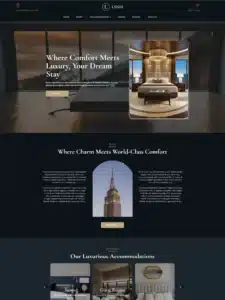
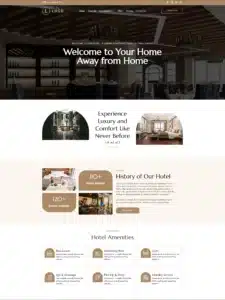
Templates:
4. Integrate Booking Functionality
Streamline Reservations: Implement a hotel booking engine that allows guests to check availability, view clear rates, and secure their reservations. Our Booking Engine is customizable to match your website’s branding and integrates seamlessly with our channel manager so your availability and rates are always synchronized, also, with our booking engine, you can encourage guests to book directly on your site and decrease commission fees.
Prioritize User Security: Ensure the booking process is smooth and secure, to build trust with every interaction.
5. Monitor, Analyze & Iterate
Leverage Analytics: Use tools like Google Analytics to track visitor behavior so you can identify areas for improvement.
Adopt a Continuous Improvement Mindset: Update your content regularly, also the design and functionality, based on user feedback and performance metrics.
What Do the Best Hotel Website Designs Have In Common?
Top-performing hotel websites have several characteristics in common to enhance user experience and drive bookings:
1. Accessibility
When building your website, it’s important to ensure that it’s accessible to all users, including those with disabilities. Include features like text resizing options, high-contrast modes, and screen reader compatibility to make your site more inclusive.
2. Responsive Design
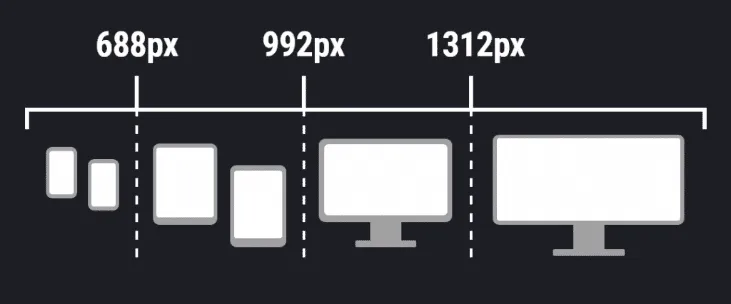
Use a responsive design to adapt to various screen sizes and devices, thus providing an optimal experience whether your viewing on a desktop, tablet, or the telephone.
Using high-quality images and videos can enhance your property’s amenities and ambiance, persuading potential guests by providing a virtual tour of what they can expect.
4. Transparent Rates and Availability
Displaying room rates and real-time availability in a very clear way builds trust and simplifies the booking process, reducing users’ confusion.
5. Call-to-Action (CTA) Buttons, like ‘Book Now’
‘Book Now’ buttons placed strategically in your website encourage immediate action, guiding visitors toward making reservations.
6. Robust SEO Optimization
Implementing effective SEO strategies, including keyword optimization and quality content, improves search engine rankings, increasing your website’s visibility to potential guests.
7. User-Friendly Functionality
If you’re trying to enhance the user experience, work on applying intuitive navigation, quick load times, and a straightforward booking process, so visitors will be more likely to complete a reservation.
8. Discoverability
Incorporating some local attractions ensures your hotel appears in relevant search results, so you can attract travelers that may be interested in your area.
9. Integrated Booking Systems
A seamless, secure hotel booking engine integrated into your website allows guests to make reservations without being redirected, providing a cohesive and trustworthy experience.
If you start incorporating these elements, your hotel website will stand out in a competitive market. If you want to read more about this practices, we have the right blog for you: What is Hotel Website Design?
{{hotel-website-builder}}
5 Hotel Website Design Tips to Increase Conversion
We got to the conversion part, here are five design tips that can give your hotel website a serious conversion boost:
1. Personalize the Guest Experience
Try using dynamic content to prepare recommendations, special offers, and local insights made for each guest based on visitor behavior, you can analyze past data using roommaster’s hotel management software. Personalizing your offers builds a sense of trust that encourages bookings.
2. Elevate Visual Storytelling
Tell your story, not just with words but with a visual narrative that captures your hotel’s unique charm. Create engaging videos, and immersive galleries to transport potential guests into your fascinating story, making them more likely to click that ‘Book Now’ button.
3. Engage with Interactive Elements
Invite users to explore your property through interactive features like virtual tours, real-time chat support, and dynamic maps. These tools create an immersive experience, that keeps visitors entertained so they can stay on your site longer.
4. Refine Your Conversion Funnel
Analyze your user journey with tools like A/B testing to optimize every step, you can analyze everything from landing page to checkout. Change call-to-action placements, button designs, and form simplicity every once in a while to minimize friction, ensuring a smooth transition from interest to confirmed booking.
5. Build Trust with Social Proof
Use authentic guest testimonials, positive reviews, and industry accolades to establish credibility. Showing real experiences makes potential visitors more confident, making them feel trust in choosing your hotel for their next stay.
8 Of The Best Hotel Website Design Templates
The first impression a hotel makes very often starts with its website. A well-designed hotel website doesn’t just look beautiful; it tells a story, engages potential guests, and, ultimately, converts casual visitors into loyal customers. From visually stunning photography to seamless booking experiences, these hotel websites illustrate how good design can enhance a guest’s journey from browsing to booking. Let’s explore the best practices that make each of these eight hotel websites stand out.
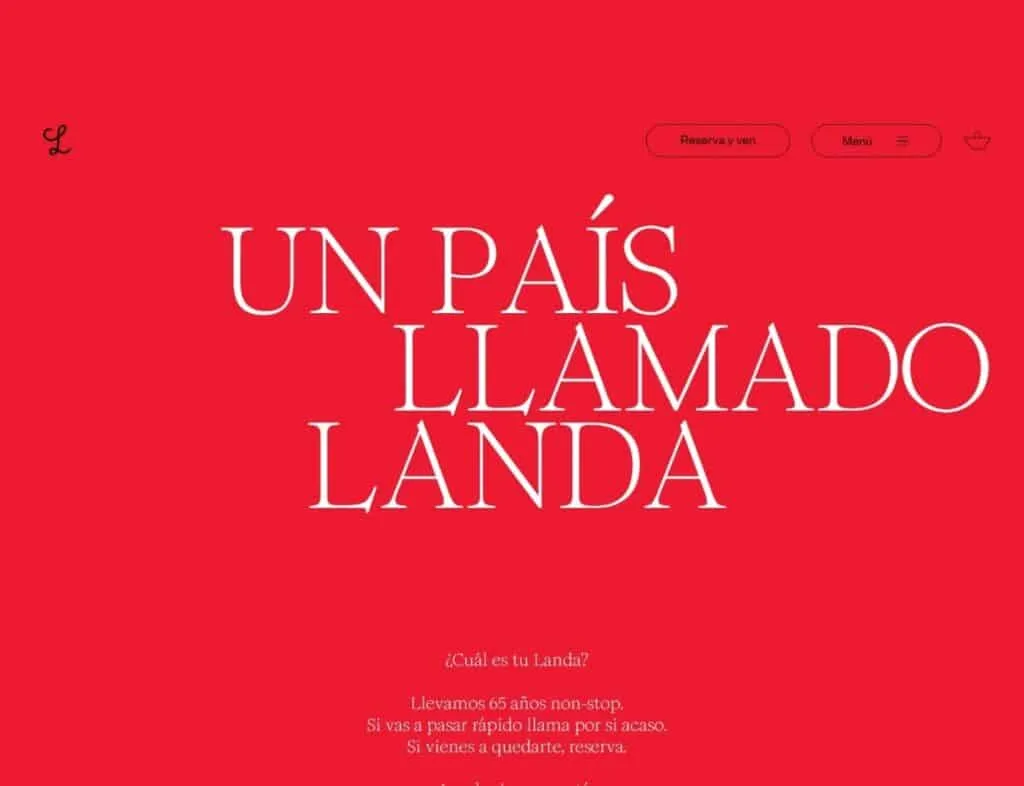
1. Hotel Landa: Where History Meets Modern Simplicity
The Hotel Landa website offers a masterclass in storytelling. Upon landing on the homepage, you are immediately immersed in the grandeur of its historical setting. The large, high-quality images are carefully curated to reflect the hotel’s old-world charm, creating an emotional connection before a single word is read.
But beyond the visual appeal, the real strength lies in its simplicity. The minimalist layout guides visitors effortlessly through the site. No unnecessary elements clutter the user’s journey, allowing them to focus on the essentials: the hotel’s unique atmosphere and the “Reserve Ahora” (Book Now) button, which remains a consistent companion as you scroll.
Key Takeaways: Stunning photography combined with a minimalist design and clear CTAs can make your website both engaging and conversion-focused.
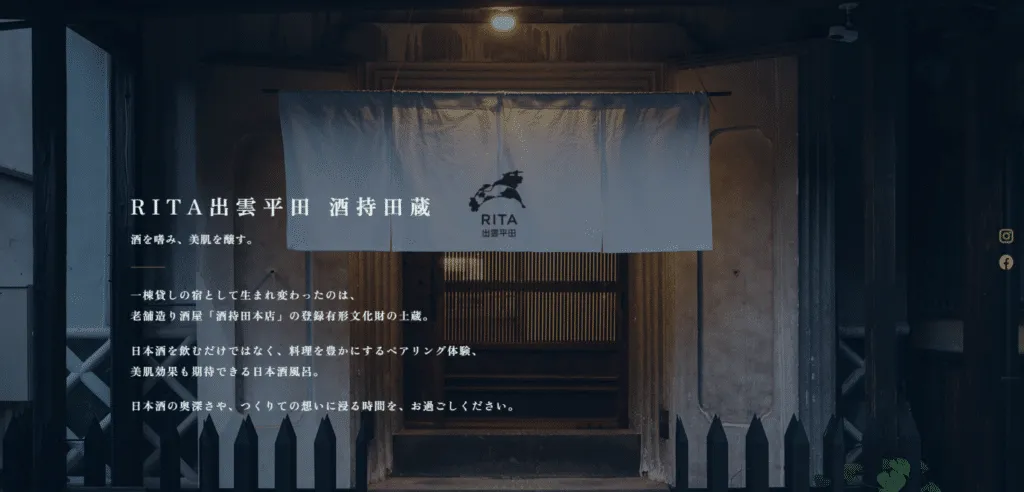
2. Rita Izumo Hirata Hotel: Simplicity at Its Best
For the Rita Izumo Hirata Hotel, simplicity is the winning strategy. This site doesn’t distract visitors with excessive content or complex navigation. Instead, it leads them directly to the heart of the matter: booking a stay.
With an intuitive interface, potential guests can easily browse room options and plans. The clean, no-frills layout ensures that visitors have everything they need to make a decision without being overwhelmed by unnecessary distractions. In addition, the seamless booking process, which is at the beginning of the design, reduces friction and increases the likelihood of conversions.
Key Takeaways: Simplicity and efficiency in design can be just as powerful as visual complexity when the focus is on driving bookings.
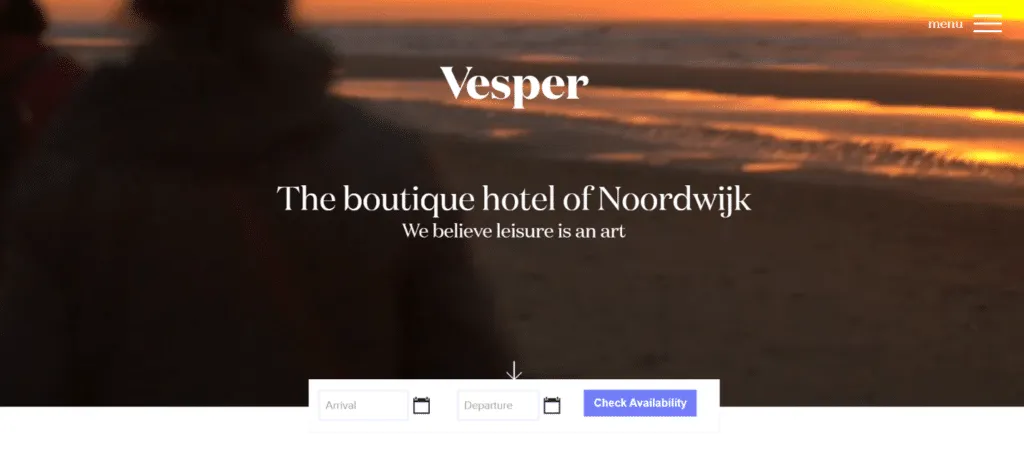
3. Vesper Hotel: Crafting Experiences, Not Just Stays
The Vesper Hotel understands that guests are not just booking a place to sleep: they’re booking experiences. The website takes full advantage of this mindset by highlighting unique, experiential offerings through dedicated pages for “Special Experiences.” Whether it’s a luxurious beachside dinner or a romantic weekend package, Vesper knows how to make guests dream.
The design makes excellent use of white space, giving the site a modern, sophisticated feel. Moreover, the persistent “Book Now” button follows you down the page, making the transition from browsing to booking as effortless as possible.
Key Takeaways: Highlighting unique experiences and maintaining persistent booking options can significantly enhance user engagement and lead to more reservations.
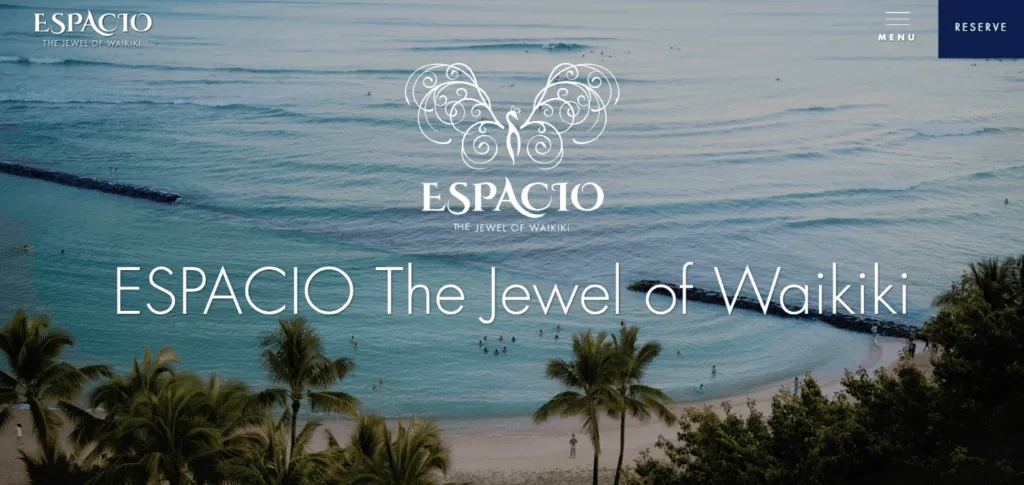
4. Espacio Waikiki: A Visual Journey to Paradise
The moment you land on the Espacio Waikiki website, you’re greeted with stunning visuals that transport you straight to the beautiful beaches of Waikiki. The site’s photography does more than just showcase rooms, it sells the entire vacation experience. Guests can almost feel the sun and hear the waves, long before they even pack their bags.
In addition to its mesmerizing visuals, the website makes excellent use of its hotel booking engine. Prominently displayed at the top of the homepage, the booking feature is easy to find and simple to use, encouraging visitors to check room availability without delay.
Key Takeaways: High-quality, immersive visuals paired with a prominent booking engine can significantly enhance the user experience and drive bookings.
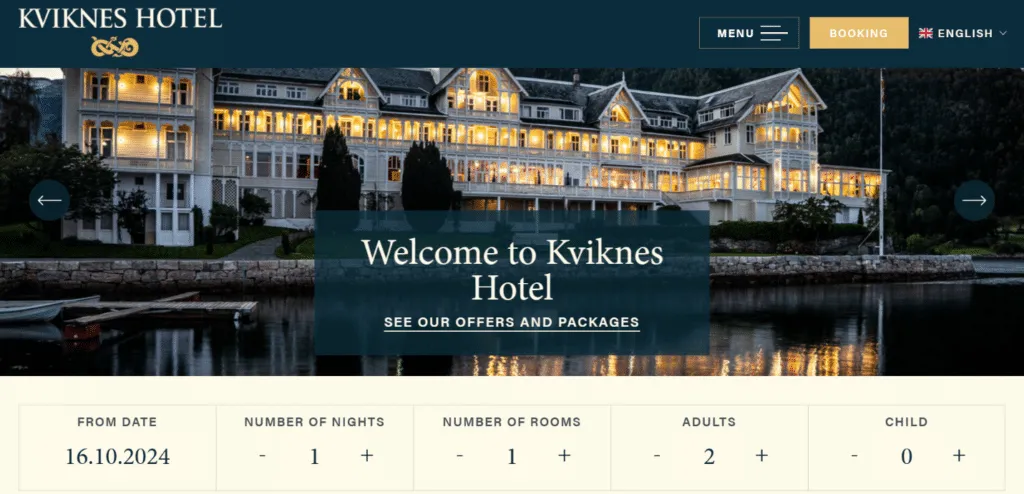
5. Kviknes Hotel: Where Tradition Meets Modern Hospitality
The Kviknes Hotel website draws you in with its rich history, immediately setting itself apart from the competition. The home page beautifully blends modern design elements with the hotel’s 150-year-old heritage, telling a story that appeals to both history lovers and modern travelers.
A standout feature is the site’s multilingual options, making it accessible to a broader audience. By offering English, Norwegian, and other language options, Kviknes shows it understands the value of a global clientele.
Key Takeaways: Storytelling through history and offering multilingual options can broaden a hotel’s appeal and create a more inclusive user experience.
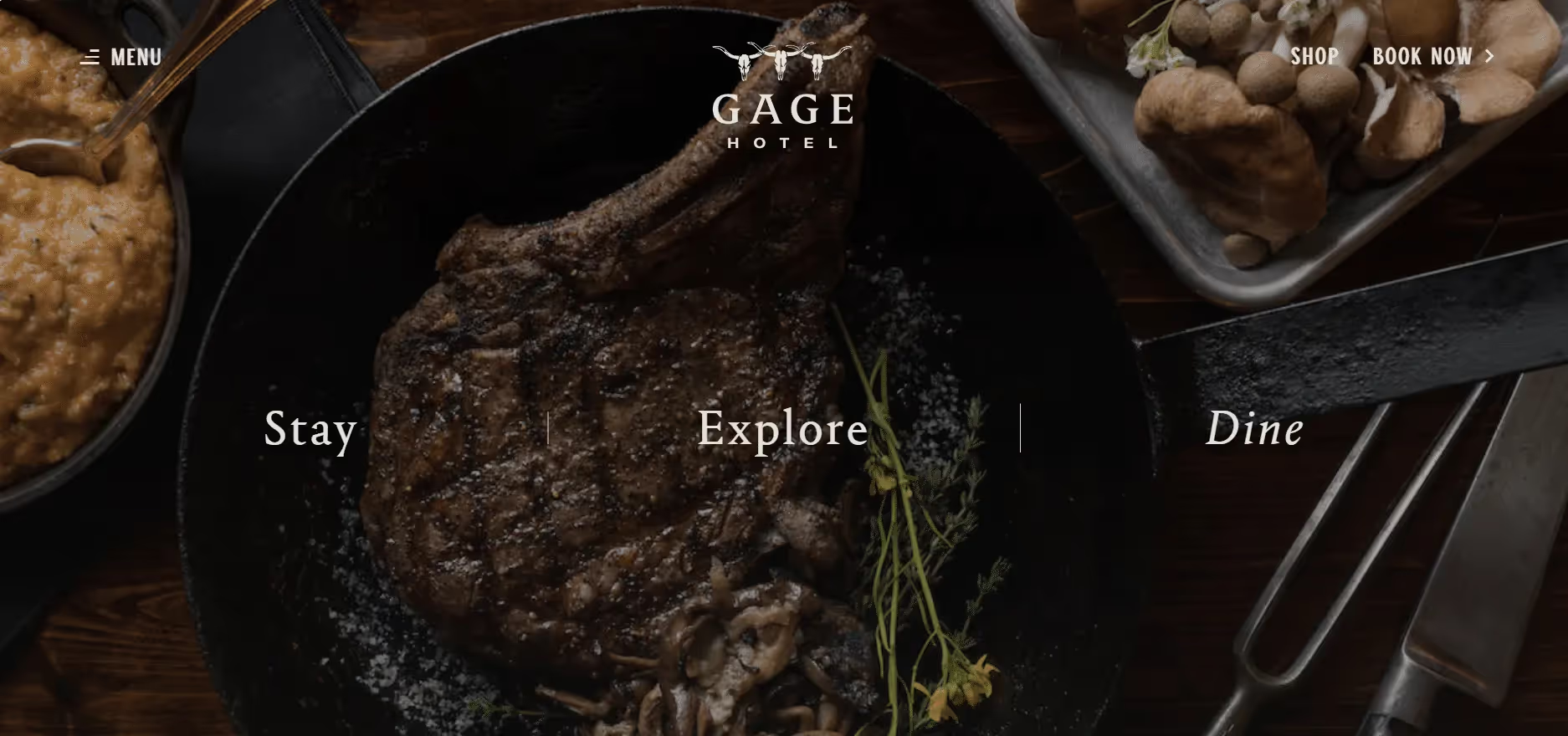
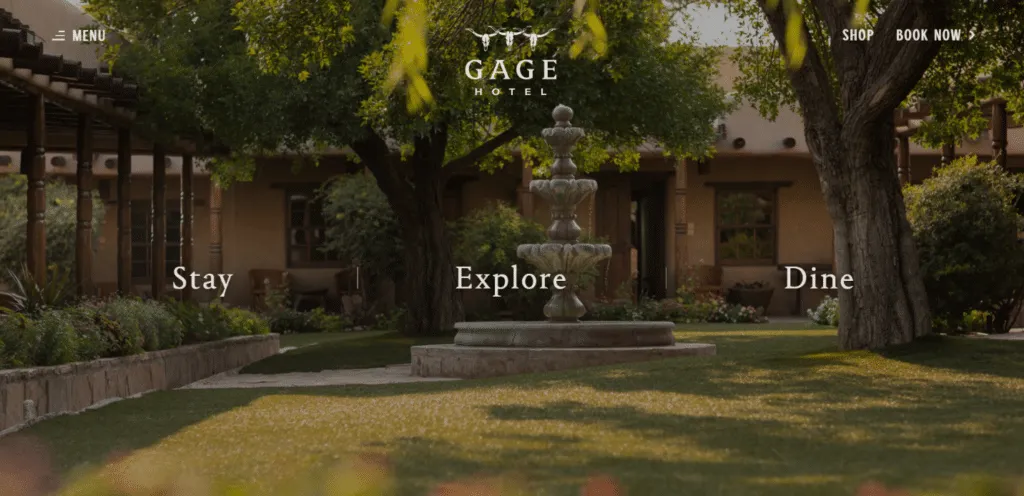
6. Gage Hotel: Rustic Charm Meets Digital Efficiency
With its strong Western theme, the Gage Hotel website exudes personality. Every element of the design reflects the hotel’s rustic charm, giving potential guests a true sense of what to expect during their stay. This visual identity not only attracts visitors but also ensures that they feel connected to the property long before they arrive.
The mobile-friendly design ensures that the website functions perfectly across devices, an increasingly important feature in today’s mobile-first world. With many guests browsing and booking via smartphones, this responsiveness is crucial for conversion success.
Key Takeaways: A strong visual identity paired with a mobile-friendly design can enhance both user engagement and booking conversions.
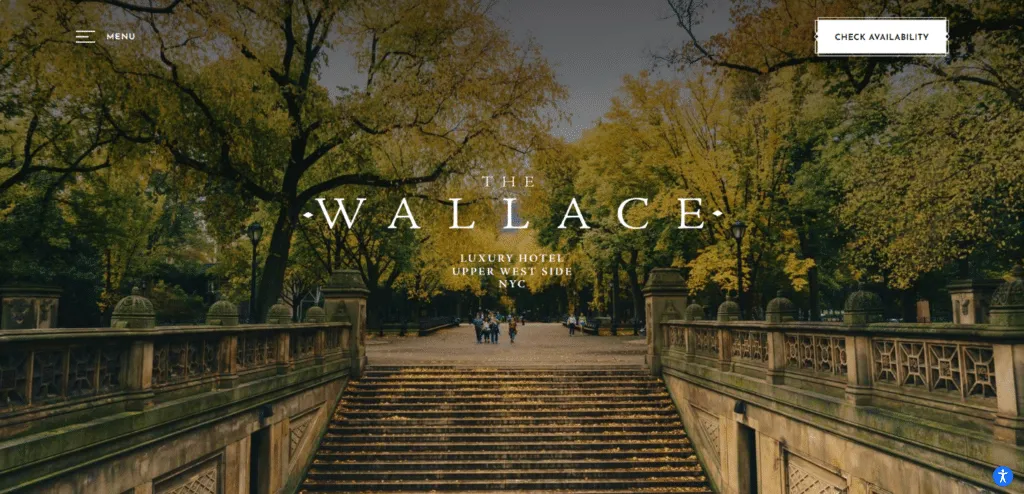
7. The Wallace: Sophistication in Every Detail
For luxury hotels, the website needs to communicate elegance—and The Wallace delivers. From the rich color palette to the sleek fonts, every detail of this website reinforces the upscale nature of the hotel. The emphasis on luxury is clear, and it’s reflected in every design decision.
A key feature here is the fast-loading pages. Despite using high-quality images, the website’s performance is optimized to ensure fast load times. This is particularly important for reducing bounce rates and improving the overall user experience.
Key Takeaways: Fast-loading content paired with a luxurious design ensures a seamless experience, keeping users engaged and more likely to book.
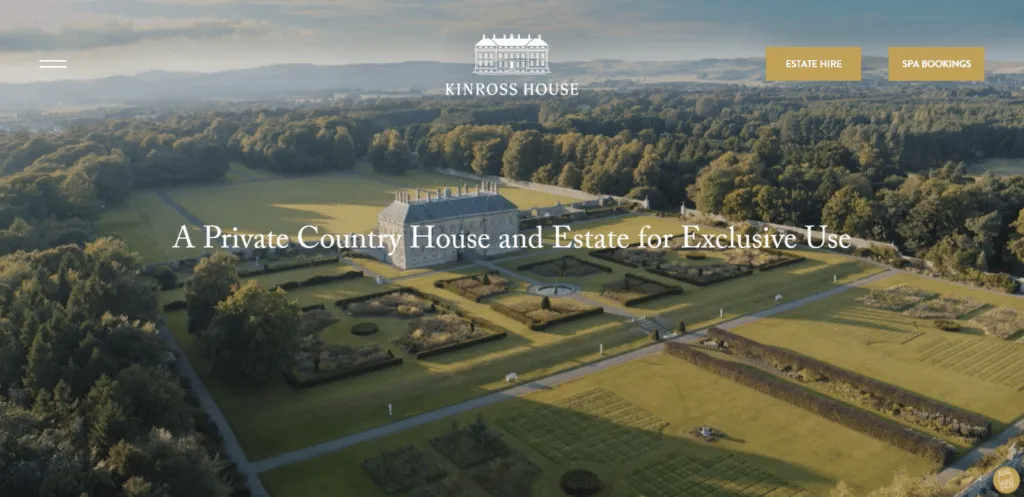
8. Kinross House: Old-World Grandeur, Modern User Experience
The Kinross House website combines immersive imagery with elegant design to showcase the grandeur of its historic estate. The homepage features full-screen images that immediately capture attention, inviting visitors to explore the property virtually before they book a stay.
Strong CTAs like “Enquire Now” encourage visitors to take the next step, whether it’s booking a stay or planning an event at the estate. These well-placed, inviting CTAs are essential in driving user engagement.
Key Takeaways: Immersive imagery combined with personalized CTAs can create a compelling user experience that encourages bookings and inquiries.
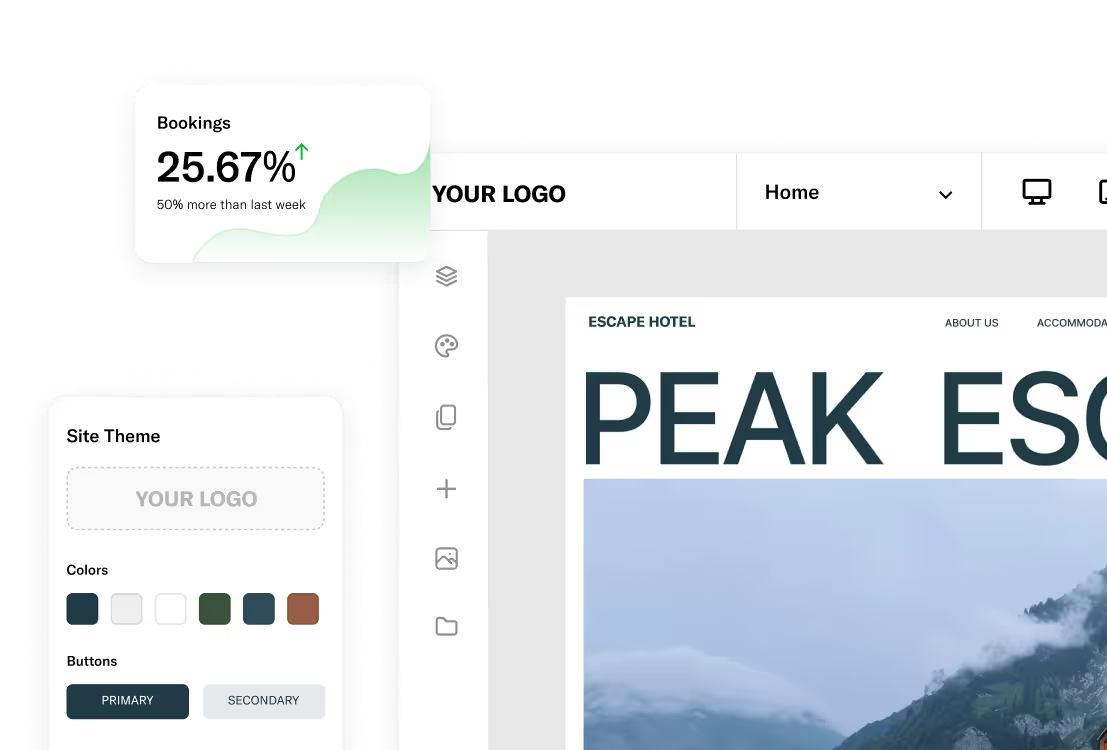
Create High Converting Hotel Website Design With roommaster Hotel Website Builder
At roommaster Hotel Website Builder, we believe your hotel’s website is a powerful revenue engine. Our complete solution is designed to turn browsers into guests by blending cutting-edge technology with great design.
What Sets roommaster Hotel Website Builder Apart?
Responsive, Mobile-First Design: With roommaster Hotel Website Builder, your site will adapt to every screen size.
Seamless Integration: Our platform is built to connect directly with your hotel PMS and booking engine.
SEO-Optimized & Discoverable: roommaster Hotel Website Builder incorporates best-practice SEO techniques so your hotel ranks higher and attracts more organic traffic.
Engaging Visuals & Customization: Stand out in a competitive market with personalized templates that highlight your unique brand story.
Built for Conversion: With data-driven insights and continuous optimization, our platform helps you refine every aspect of your website.
{{pms-five}}
FAQs
1. What is Hotel Website Design?
A: Hotel website design is the process of creating a website design for your hotel that is visually appealing, user-friendly, and optimized so visitors can convert to guests.
2. What makes the best hotel website design?
A: The best hotel website design combines stunning visuals, clear and simple navigation, fast load times, and effective SEO strategies. It ensures that potential guests find the information they need quickly while providing a seamless booking experience on any device.
3. Why is responsive design important in hotel website design?
A: Responsive design guarantees that your website adapts effortlessly to various devices like desktop, tablet, or mobile. This improves user experience and helps capture last-minute bookings from guests on the go.
4. How can I boost direct bookings through my hotel website?
A: Enhancing direct bookings involves streamlining the booking process with minimal form fields, prominent “Book Now” buttons, and integrated hotel booking engines. Additionally, personalized recommendations and real-time availability can further encourage guests to complete their reservations.
5. What role does SEO play in Hotel Website Design?
A: SEO is critical in making your website discoverable. A well-optimized hotel website ranks higher in search results, attracts more organic traffic, and ultimately leads to increased direct bookings by aligning content with what potential guests are searching for.
{{cta-strip}}
pms-five
Unlock your hotel’s potential with roommaster all-in-one software
Mayela Lozano is a content strategist with a passion for hospitality and technology. She collaborates with roommaster on content creation, highlighting how technology can streamline hotel operations and enhance guest satisfaction. When she’s not creating content, Mayela loves to travel and spend time with her two little ones, discovering new adventures and making memories along the way.
Join Thousands of Hotels Thriving with roommaster
The transition to roommaster is straightforward and efficient. Our implementation team handles data migration including reservations, guest profiles, and historical information.
The transition to roommaster is straightforward and efficient. Our implementation team handles data migration including reservations, guest profiles, and historical information.
Hotel Check-In Kiosk: Enhance the Guest Experience
October 5, 2026
Hospitality Technology
Hotel Management
Hospitality Trends
Hotel Self Check-In: How It Works, Types, Benefits And Setup
October 1, 2026
Hotel Management
Hospitality Trends
Hotel Check-In & Check-Out Times Explained
October 1, 2026
Hospitality Trends
Hotel Management
Cloud-Based Property Management System: Hotel PMS
October 1, 2026
Hospitality Trends
Hotel PMS
Cloud PMS
Hotel PMS Integration: How It Works for Hotels
September 23, 2026
Hospitality Trends
Hospitality Technology
Hotel PMS
Hotel Management
Cloud PMS
How Hotel PMS Software Transforms Hospitality Management
September 23, 2026
Hospitality Trends
Best Hotels in New Orleans: A Complete Guide 2026
September 10, 2026
Hospitality Trends
Best Hotels in Philadelphia: A Complete Guide 2026
September 10, 2026
Hospitality Trends
Best Hotels in San Francisco: A Complete Guide 2026
September 10, 2026
Hospitality Trends
Best Hotels in Los Angeles: A Complete Guide 2026
September 10, 2026
Join Thousands of Hotels Thriving with roommaster
See how roommaster's unified platform can work for your property. Our team will walk you through features tailored to your specific needs and operations.



.png)
.png)
.png)