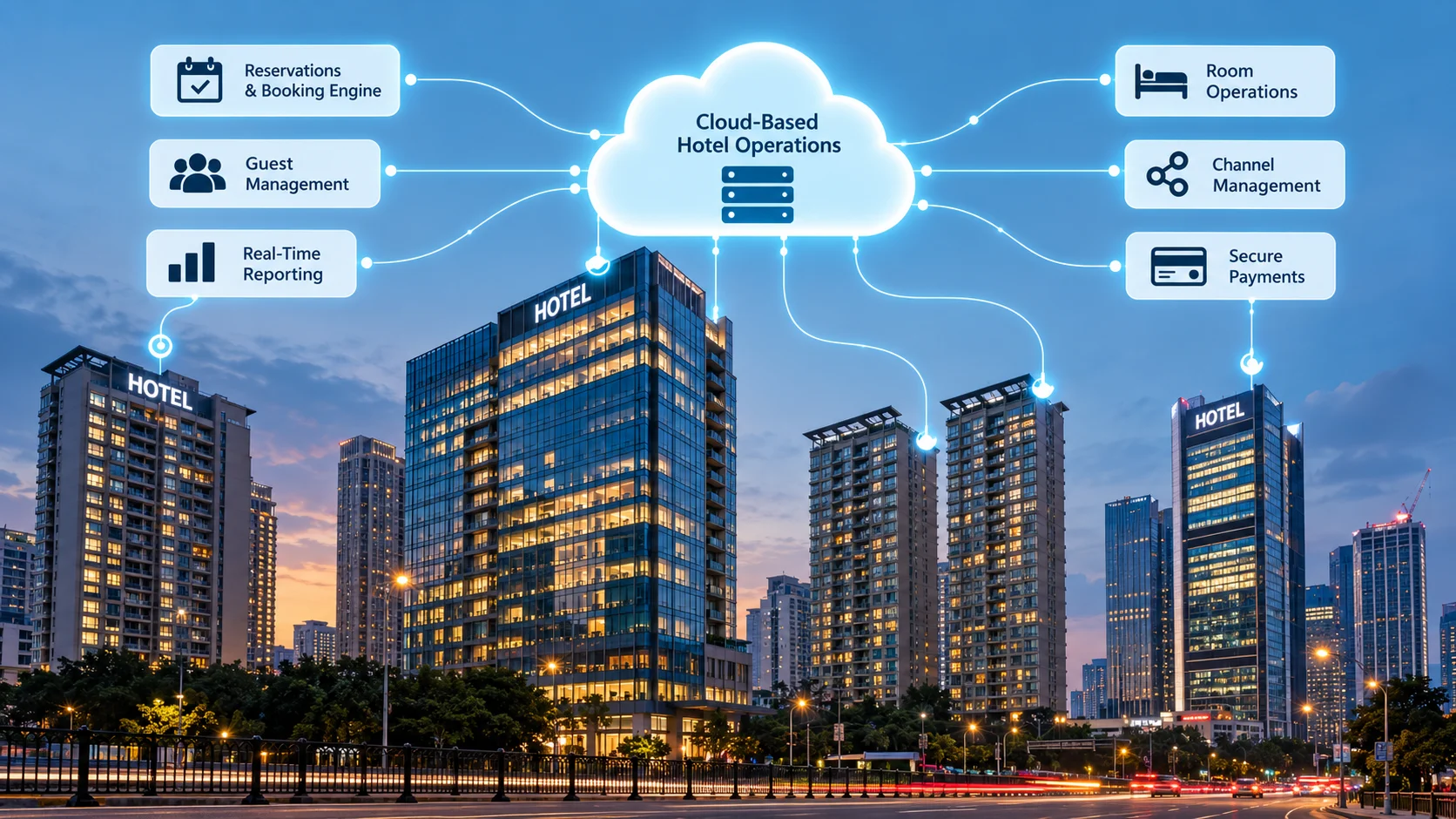
The hospitality industry has witnessed significant transformations in how it approaches pricing strategies. Among these, the shift from traditional, static pricing models to dynamic pricing has emerged as a pivotal change, promising to revolutionize the way hotels manage their revenue and occupancy rates. The concept of dynamic pricing in the hospitality industry is a strategy that leverages real-time data to adjust hotel rates, aiming to maximize both revenue and occupancy. This blog discusses the different aspects of dynamic pricing and how it contributes to hotel revenue management.
Understanding Dynamic Pricing
Dynamic pricing, also known as demand pricing or time-based pricing, represents a departure from the one-size-fits-all approach of static pricing. Instead, it acknowledges the fluid nature of consumer demand, adjusting prices in response to various factors such as seasonality, booking patterns, and market competition. Dynamic pricing, a strategy increasingly adopted in the hospitality industry, represents a sophisticated approach to pricing that takes into account real-time data and market conditions to adjust hotel rates. This method contrasts sharply with static pricing, where prices are set in advance and remain unchanged regardless of changing market dynamics. The essence of dynamic pricing in the hospitality industry lies in its ability to enhance hotel revenue management through flexible and responsive pricing strategies.
The Relevance of Dynamic Pricing in the Hospitality Industry
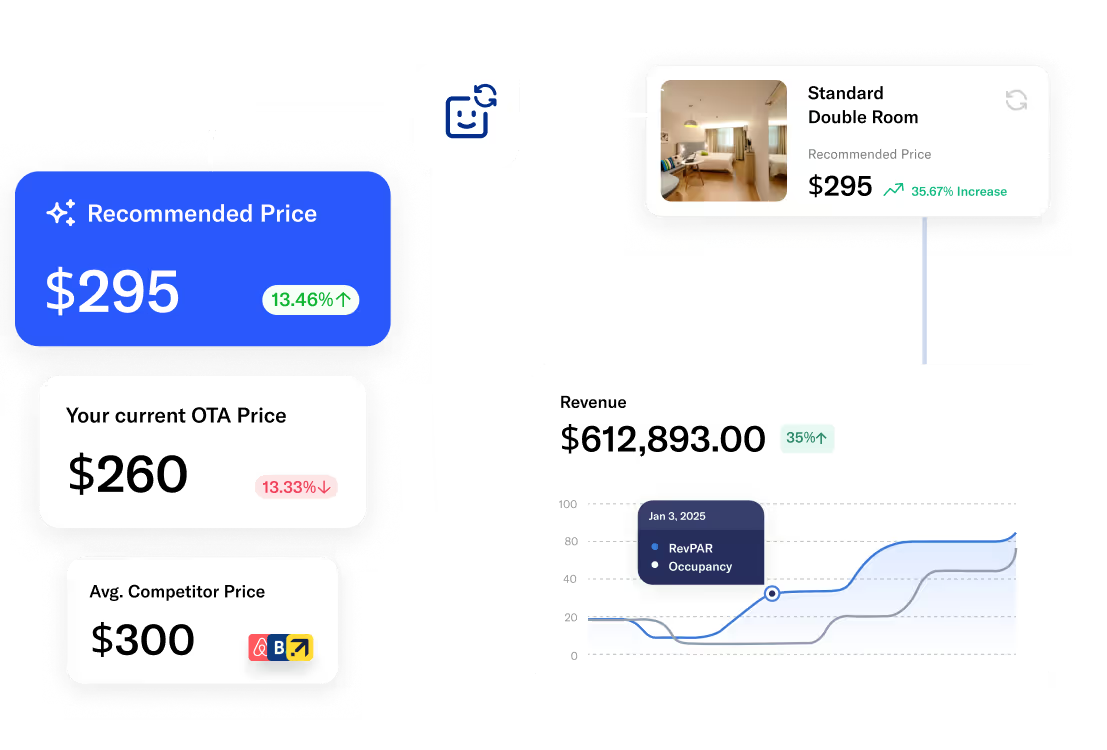
At its core, dynamic pricing is about leveraging data to make informed pricing decisions. By analyzing factors such as historical demand, seasonal trends, competitor pricing, and even weather forecasts, hotels can predict periods of high and low demand. This information allows them to adjust their prices accordingly, increasing rates during expected high demand to maximize revenue and decreasing them during low demand to attract more bookings. This strategy ensures that hotels remain competitive, maximizing both occupancy and revenue.
Dynamic Pricing vs Static Pricing
The hospitality industry has traditionally relied on static pricing models, where rates are set well in advance and remain unchanged regardless of fluctuations in demand. However, the advent of dynamic pricing has introduced a more flexible and profitable approach. This section compares dynamic pricing with static pricing, highlighting the advantages and limitations of each method within the context of the hospitality industry’s dynamic environment.
Definition
Static Pricing involves setting fixed prices for rooms or services that do not change in response to market demand fluctuations. This approach is straightforward and easy to manage but lacks the flexibility to capitalize on changing market conditions. In contrast, Dynamic Pricing adjusts prices in real-time based on various factors, including demand levels, competitor pricing, and external events, allowing hotels to maximize revenue and occupancy rates.
Advantages of Dynamic Pricing
The primary advantage of dynamic pricing over static pricing is its ability to respond to market demand dynamically. This responsiveness ensures that hotels can adjust their rates to attract more bookings during low-demand periods and maximize revenue during high-demand periods. Dynamic pricing also allows hotels to implement a wide range of pricing strategies tailored to different customer segments and booking channels, further optimizing revenue and occupancy.
Limitations of Static Pricing
Static pricing's main limitation is its inflexibility. Prices set months in advance cannot account for unforeseen changes in demand, potentially resulting in missed opportunities for revenue during peak periods or lower occupancy during off-peak times. Furthermore, static pricing does not allow hotels to compete effectively on price with competitors who may adjust their rates based on current market conditions, leading to a potential loss in market share.
Achieving Balance
While dynamic pricing offers significant advantages in terms of revenue management and market responsiveness, it also requires sophisticated data analysis and pricing strategies. Hotels must balance the need for competitive pricing with the risk of alienating customers through frequent price changes. Moreover, transparency and communication about pricing strategies can help manage customer perceptions and maintain trust.
Benefits of Dynamic Pricing
Dynamic pricing offers a multitude of benefits for the hospitality industry, from enhancing revenue to improving occupancy rates. By adopting dynamic pricing strategies, hotels can not only optimize their financial performance but also secure a competitive advantage in the market. This section explores the key benefits of dynamic pricing in the hospitality industry.
Increased Revenue
One of the primary benefits of dynamic pricing is its potential to significantly increase revenue. By adjusting prices based on real-time demand, hotels can capitalize on peak periods by charging higher rates. This approach ensures that they maximize revenue during times of high demand. Conversely, by lowering prices during periods of lower demand, hotels can attract more bookings, thereby minimizing empty rooms and still generating revenue. This ability to optimize prices across different periods leads to an overall increase in revenue, making dynamic pricing a powerful tool in hotel revenue management.
Improved Occupancy Rates
Dynamic pricing directly impacts occupancy rates by making hotel offerings more attractive to potential guests through price adjustments. By lowering prices when demand is predicted to be low, hotels can stimulate demand, attracting guests who might otherwise have chosen alternative accommodations. Similarly, by increasing prices modestly during high-demand periods, hotels can manage occupancy more effectively, ensuring that rooms are sold at the most advantageous rates. This strategic management of occupancy not only improves revenue but also ensures a steady stream of guests, contributing to operational stability.
Competitive Advantage
In the competitive hospitality industry, standing out is crucial. Dynamic pricing offers hotels a way to differentiate themselves by providing value to customers through flexible pricing. Customers who learn to compare hotel prices and seek the best deals will often favor hotels that offer dynamic pricing, recognizing the potential for better rates. Additionally, by optimizing their pricing strategy, hotels can outperform competitors who stick to more rigid pricing models, thereby securing a significant competitive advantage.
Flexibility and Responsiveness
Dynamic pricing grants hotels unprecedented flexibility and responsiveness to market changes. This agility is crucial in an industry where demand can fluctuate widely due to factors like seasonal trends, local events, and changes in consumer behavior. Hotels that employ dynamic pricing can quickly adjust their rates to respond to these fluctuations, ensuring that they remain competitive and continue to attract guests regardless of changing market conditions. This responsiveness not only aids in revenue optimization but also positions hotels as adaptive and customer-oriented businesses.
{{revenue-management-two}}
Implementing Dynamic Pricing Strategies
The successful implementation of dynamic pricing strategies in the hospitality industry requires a nuanced approach, combining data analysis, market segmentation, technological integration, and ongoing adjustments. This section outlines the key steps and considerations for hotels looking to harness the benefits of dynamic pricing.
Data Analysis and Forecasting
The foundation of any effective dynamic pricing strategy lies in robust data analysis and forecasting. Hotels must collect and analyze a wide range of data, including historical booking patterns, competitor pricing, market demand trends, and customer preferences. When integrated with your property management system, advanced analytics tools and software can process this data, providing insights that inform pricing decisions. By understanding past trends and forecasting future demand, hotels can set prices that accurately reflect market conditions, optimizing revenue and occupancy rates.
Segmenting Market and Customizing Prices
Market segmentation is crucial for tailoring pricing strategies to different customer groups. Hotels can segment their market based on various criteria such as customer demographics, booking channels, length of stay, and purpose of travel (e.g., business vs. leisure). By customizing prices for different segments, hotels can target specific groups more effectively, offering rates that maximize both appeal and profitability. For instance, offering discounted rates to early bookers can secure bookings well in advance, while last-minute deals can attract spontaneous travelers, ensuring high occupancy. By displaying these dynamic rates through your hotel booking engine, you can capture more direct bookings and reduce OTA dependency.
Integrating with Hotel Distribution Channels
Dynamic pricing strategies must be seamlessly integrated with hotel distribution channels to ensure that updated prices reach potential guests across all platforms. This integration involves coordinating with online travel agencies (OTAs), direct booking platforms, and other third-party booking sites through a hotel channel manager. A robust hotel channel manager ensures that price changes are reflected in real-time across all platforms, preventing discrepancies that could deter potential bookings. Additionally, leveraging these channels can enhance visibility and reach, driving more traffic to the hotel's booking engine.
Monitoring and Adjusting
Dynamic pricing is not a set-and-forget strategy; it requires continuous monitoring and adjustment to remain effective. Hotels need to regularly review their pricing strategies in light of new data, competitor actions, and changing market conditions. This may involve adjusting prices in response to unexpected shifts in demand or taking proactive steps to capitalize on emerging opportunities. Regular reviews and adjustments ensure that the hotel remains competitive and maximizes revenue potential.
Challenges and Considerations
While dynamic pricing offers numerous benefits for the hospitality industry, its implementation is not without challenges. Hotels must navigate various considerations to ensure their dynamic pricing strategies are effective, fair, and perceived positively by customers. This section addresses potential challenges and key considerations in implementing dynamic pricing.
Customer Perception and Fairness
Customers may view frequent price changes, especially sudden increases, as unfair or exploitative. This perception can impact customer loyalty and brand reputation. To mitigate these concerns, transparency is key. Hotels should communicate the reasons behind dynamic pricing strategies, such as the desire to offer fair prices based on demand and availability.
Complexity in Implementation
Implementing dynamic pricing requires sophisticated data analytics tools and systems to analyze market trends, forecast demand, and adjust prices in real time. Hotels must invest in the right technology and possibly seek partnerships with third-party providers to leverage dynamic pricing effectively.
Competition and Market Dynamics
Dynamic pricing also involves closely monitoring competitors' pricing strategies and market dynamics. Hotels must ensure their prices are competitive yet profitable, requiring a delicate balance. Therefore, hotels should focus on creating unique value propositions beyond pricing, such as exceptional service, unique experiences, or loyalty rewards, to differentiate themselves in the market.
Ethical and Legal Considerations
Hotels must also consider ethical and legal aspects of dynamic pricing. In some jurisdictions, there may be regulations governing price discrimination and transparency. Ethically, hotels should strive to maintain fairness and avoid exploiting situations where demand significantly outstrips supply, such as during natural disasters or major events.
Conclusion
The shift from traditional, static pricing models to dynamic pricing necessitates a deep understanding of market dynamics, sophisticated data analysis capabilities, and the integration of advanced hospitality management software with pricing strategies. Dynamic pricing has emerged as a transformative strategy within the hospitality industry, offering a nuanced approach to maximizing revenue and occupancy rates. By adapting prices in real-time based on market demand, hotels can navigate the complexities of the industry with greater agility, responding to fluctuations in demand and competitive pressures with precision. As we look to the future, dynamic pricing will undoubtedly continue to play a pivotal role in the hospitality industry's revenue management practices. To read about ‘Hotel Metasearch Marketing: Importance and Benefits,’ click here.
{{cta-strip}}
FAQs
1. What is dynamic pricing in the hospitality industry?
Dynamic pricing is a strategy that adjusts hotel room rates in real time based on factors like demand, seasonality, competitor pricing, and market trends to maximize revenue and occupancy.
2. How does dynamic pricing differ from static pricing?
Static pricing uses fixed rates set in advance, while dynamic pricing fluctuates based on real-time data and demand patterns, allowing hotels to remain competitive and profitable.
3. What are the key benefits of dynamic pricing for hotels?
It increases revenue potential, improves occupancy rates, enhances competitiveness, and provides flexibility to adapt to changing market conditions.
4. What challenges come with implementing dynamic pricing?
Hotels must manage customer perceptions, invest in advanced data analytics tools, monitor competitors, and maintain transparency to ensure fair pricing practices.
5. How can hotels implement a dynamic pricing strategy effectively?
By using robust data analysis, segmenting markets, integrating with OTAs and PMS systems, and continuously monitoring and adjusting rates based on performance and market shifts.

.png)
.png)
.png)