"Everything is just so at your fingertips and quick, right from the call to the reservation to the check-in to the checkout. I would definitely recommend roommaster.” - Stacy Dadson, General Manager, Harrison Hall Hotel
The choice between a hostel vs hotel depends on your budget, need for privacy, and preferred social environment.
Hostels appeal to solo travelers and budget travelers with low prices and a social vibe driven by shared spaces.
However, the shared-room setup can mean limited privacy and more noise, which may affect comfort and sleep quality. Hotels deliver more privacy, structured services, and premium amenities like room service, daily housekeeping, and swimming pools.
With private hotel rooms and en-suite bathrooms, they eliminate the privacy and noise concerns common in hostels while offering a more controlled and comfortable stay.
Your travel style, trip purpose, and comfort expectations should guide your decision.
Let us ask you a simple question: Which one wins in the hostel vs hotel comparison?
When you plan a trip, you have to decide where to stay. Hostels cost less and let you meet other travelers. You sleep in shared rooms, cook in communal kitchens, and join group activities. The downside is less privacy and more chaos.
In contrast, hotels give you private rooms, quiet spaces, and full services like daily housekeeping, room service, and pools. They remove the stress of shared spaces and let you focus on comfort.
Read on to understand differences in price, privacy, amenities, social environment, and who should choose what. This guide helps you decide whether you sleep better in a hotel bed or a hostel bunk.
What Is a Hotel?
A hotel is a type of accommodation that provides its own private space and dedicated facilities to travelers. It focuses on comfort, privacy, and reliable service. Guests enjoy room service, daily housekeeping, private bathrooms, and secure storage.
Many hotels offer extra services such as concierge services, on-site dining, and business support. Hotels tend to business travelers, families, and anyone who wants a quiet, structured, and convenient stay while traveling.
What Is a Hostel?
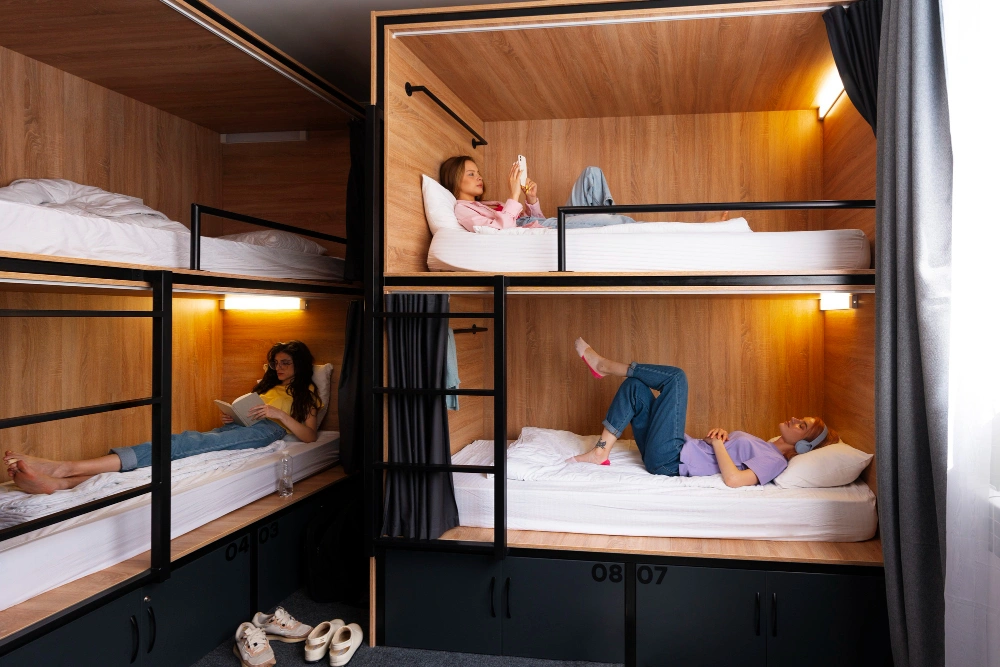
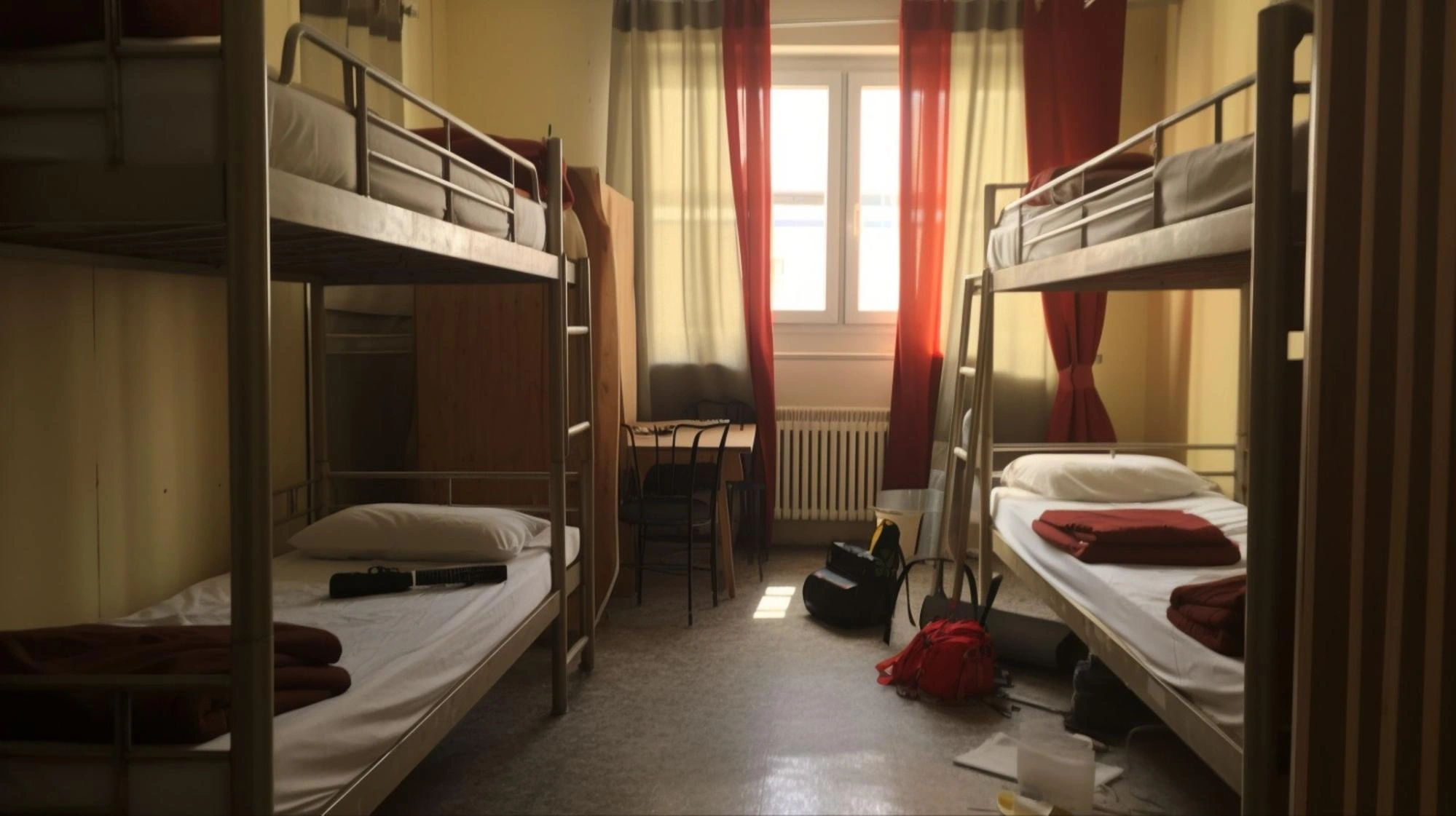
A hostel is a type of accommodation focused on budget‑friendly lodging and shared living spaces. Hostels provide shared dormitories, bunk beds, and shared bathrooms while also offering individual rooms with varying privacy levels.
Most hostels have communal spaces, communal kitchens, and areas where travelers can meet fellow travelers and socialize. They cater to the young, adventurous, and solo travelers seeking affordability, community, and local interaction.
Hostel vs Hotel: The Main Differences (Quick Comparison)
Let’s break this down in simple terms. You want to know what really sets a hostel apart from a hotel. Here’s what matters.
1. Cost
The first difference between hostels and hotels is cost. Hostels charge per bed in shared rooms, which keeps rates low even in major cities. Global data shows median hostel dorm rates sit at about $19 per night.
Here’s a proper breakdown of the hostel dormitory room costs:
Mean: $24.40/night
Median: $19.11/night
Min: $5.00/night
Max: $291.74/night (outlier)
Additionally, here’s what the global hostel price distribution looks like:
Under $10: 5,616 — 11.3%
$10–20: 18,600 — 37.4%
$20–30: 11,940 — 24.0%
$30–50: 9,448 — 19.0%
Over $50: 4,130 — 8.3%
Hotels sit in a different range. In the United States, the average nightly rate for budget hotels stands around $171. During peak season, that number rises to about $319. The median price lands near $139. A three-day hotel stay costs about $513 on average, and peak season can push that to $957. One week costs about $1,197, and two weeks reach roughly $2,393 before taxes and fees.
When you compare the two, the price gap speaks for itself.
2. Privacy or social life
Ask yourself what kind of stay you want.
Hostels create connections. Guests share dorm rooms and common areas. People talk in lounges, cook together, and plan city tours. Many hostels host events that bring everyone into the same room. If you travel solo and want company, you will find it fast.
Hotels offer privacy as the standard. You get your own room, a lock on the door, and a quiet space. You can sleep, work, or relax without interruption. Business travelers and families often choose hotels for that reason. You control your time and your space.
3. Amenities and services
Hotels offer extensive amenities:
Room service
Swimming pools
Gyms
On-site restaurants
Concierge and staff support
Daily housekeeping
These services make stays smooth and comfortable.
Hostels keep things simple. Most provide shared kitchens where you have to cook your own meals, common lounges, and self-service laundry. Some now offer private rooms for guests who want a middle ground. You trade luxury for affordability and community.
4. Atmosphere and guest interaction
You can feel the difference between the two the moment you walk in.
Hostels buzz with energy. Shared spaces, younger guests, and organized activities help solo travelers and backpackers find company easily. In 2023, solo travelers and backpackers generated 55.53% of hostel revenue, showing strong interest in affordable social stays.
Hotels attract guests seeking calm. Conversations in lobbies are rare, and guests focus on quiet, privacy, and structured service. Travelers who value rest and personal space often choose hotels.
Pros and Cons of Hostels vs Hotels
To make the choice easier, here is a clear breakdown of the main advantages and disadvantages of hostels and hotels.
Feature
Hostels
Hotels
Cost
Very affordable. Travelers pay per bed. Ideal for budgets.
Higher cost. Travelers pay per room. Prices vary by location, season, and amenities.
Perfect for solo travelers, short stays, or backpacking trips.
Best for business travelers, families, or longer stays. Supports comfort and convenience.
Atmosphere
Casual, vibrant, and social. Can be noisy.
Calm, controlled, and structured. Ideal for rest and focus.
Accessibility
Often in city centers or near tourist spots.
Available in diverse locations, including business districts, airports, and resorts.
Hostel vs Hotel vs Motel: When “Motel” Makes Sense
Hostels and hotels already bring different benefits, as we’ve discussed earlier. For example, a hostel works when you want to save money and meet other travelers. You pay per bed, share space, and enjoy a social vibe. Hostels make sense for short trips, backpacking, and solo travel.
In comparison, a hotel works when you want privacy, comfort, and reliable service. You pay per room and get a quiet space, housekeeping, and extra features like pools, restaurants, and concierge help. Hotels make sense for business trips, family travel, and longer stays.
Motels, on the other hand, fit a third travel style and bring the best of both worlds. More particularly, a motel makes sense when you travel by road and want a simple place to sleep with easy parking right outside your door. Motels usually sit near highways, towns, and rural routes. They charge lower rates than many hotels and still give you a private room and bathroom.
In the United States, typical nightly rates for motels fall roughly between $50 and $150, depending on location, season, and features. To be more specific, here’s what different motels cost:
Perspective
Average Cost (Per Night)
National Average
$50 – $90
Urban Areas
$70 – $120
Rural Areas
$40 – $65
Budget Motels
$40 – $70
Mid-Range Motels
$60 – $100
Luxury Motels / Boutique
$90 – $150+
Peak Season (Holidays, Summer)
20% – 50% Increase
As you can see, each option fits a different travel style. Pick the one that matches your route, your budget, and how you want to feel at the end of the day. For a short stop on a long drive, a motel often saves money and cuts stress.
Which Should You Choose? (Scenario-Based Recommendations)
You should not choose a stay type based on price alone. The right option depends on why you travel, who travels with you, and what you expect at the end of the day.
Let’s look at this in real terms.
- When a hotel makes sense
Hotels work best when you value comfort, privacy, and service. In our opinion, choose a hotel when you:
Travel for business and need a quiet space for calls, work, and rest
Travel with family and want a private bathroom and a controlled environment
Plan a longer stay and need consistent housekeeping and service
Value amenities such as breakfast service, a gym, or a staffed front desk
Predictable comfort and fewer disruptions
Hotels work best when your trip has responsibilities attached to it. They support focus, rest, and routine.
- When a hostel makes sense
Hostels work best when you want to save money and meet other travelers. Go for a hostel when you:
Travel solo and want to meet people easily
Want to stretch your budget and spend more on activities
Stay for a short city visit and need a simple place to sleep
Feel comfortable with shared rooms or shared spaces
Value social energy over privacy
Hostels suit travelers who see accommodation as part of the adventure, not just a place to sleep.
- When a motel makes sense
Motels work best when you travel by car and need easy access. Here’s when you must opt for a motel:
Motels serve practical travel needs, especially for short stops.
{{guest-app}}
Tips to Get the Best Experience
A few practical steps can turn any stay into a smoother, more enjoyable experience and help you focus on the trip rather than logistics. Let’s take a look at each one of them:
Book your room early: Book your room as soon as possible to secure the location and rate you want. Early booking gives you choice and control over your stay, which reduces stress and ensures a better start to your trip.
Check reviews before you decide: Check recent traveler reviews to understand cleanliness, safety, and service. You can compare ratings and read reviews on sites like TripAdvisor, Agoda, Booking.com, or Google Reviews to make a confident choice before you book and avoid surprises once you arrive.
Bring basic sleep tools: Carry earplugs and a sleep mask to block noise and light. When you prepare for these common distractions, you rest better and stay alert for daily activities.
Lock your valuables: Use lockers or in-room safes to protect belongings. Securing valuables gives peace of mind and lets you enjoy your surroundings without constant worry.
Ask staff for local advice: Talk to staff about restaurants, attractions, and transportation. Their insight helps you discover hidden spots and travel more efficiently, making your trip richer and easier to navigate.
Plan your arrival time: Arrive during daylight whenever possible to find your accommodation quickly. Reaching your room calmly sets a positive tone for the entire stay and helps you start exploring without stress.
Engage with other guests: Talk to fellow travelers in shared spaces to exchange tips and ideas. Connecting with others adds a social dimension to your trip and can lead to memorable experiences you would otherwise miss.
Hotel/Hostel Operations: How to Select the Right Software
Many properties rely on disconnected tools that do not connect each other, and that gap creates errors, missed bookings, and wasted time. If you want control over your operations, you need one platform that connects everything that touches a reservation.
roommaster brings your PMS, Booking Engine, Channel Manager, and Payments into one unified cloud system. This means the moment a guest books a room, availability updates across every channel without manual effort. Your team sees real-time room status on a clear, color-coded calendar, and they can move or modify reservations with simple drag-and-drop calendars, which cuts front desk workload and prevents costly double bookings.
{{booking-engine-one}}
As bookings flow in, finances stay organized because roommaster integrates payment processing and supports multiple folios, direct billing, and detailed financial reporting, so you can track revenue without spreadsheets. At the same time, the system stores guest history and preferences in centralized profiles, which helps you personalize communication and strengthen loyalty with automated pre-arrival and post-stay messages.
You can also gain flexibility because roommaster runs securely in the cloud with a 99.95% uptime guarantee, which means you access your system from anywhere and avoid server maintenance or heavy IT costs. When you choose the right software, choose the one that simplifies your day, protects your revenue, and keeps your entire operation aligned from booking to checkout.
The Right Experience Starts with the Right Choice
Each type of accommodation carries its own character and creates a different kind of stay. The right choice between a hostel, a hotel, and a motel depends on what you expect from the trip and how much you plan to spend.
As guests, we value the comfort and privacy of a good hotel, the energy and connection inside hostels, and the warmth of guesthouses where the space feels personal and familiar. Each option serves a purpose and shapes the travel experience in its own way.
To make it simple:
Choose a hostel when you want to save money, meet other travelers, and enjoy a social atmosphere
Go for a motel when you travel by road, need easy parking, and only require a private room for rest
Select a hotel when you want quiet, comfort, and reliable service for yourself or your family
On the other hand, as hoteliers, you need structure, coordination, and the right tools to stay consistent. A modern, fully-upgraded, cloud-based, all-in-one hotel property management software keeps reservations, housekeeping, payments, and communication connected. roommaster brings all of these tools together, simplifies daily tasks, and helps you deliver a seamless guest experience.
At the end of the day, the right choice depends on your needs. Guests should pick accommodations that match their travel style, and property owners should choose systems that support the experience they promise. Schedule a meeting to learn more about how roommaster can help.
{{cta-strip}}
FAQs
What are the disadvantages of hostels?
Hostels may lack privacy and quiet. Guests often stay in shared rooms, which can lead to noise and limited personal space. This setup can feel uncomfortable for travelers who want solitude.
When should I choose a hostel over a hotel?
Choose a hostel when saving money matters, and you want a social vibe. Hostels suit solo travelers and groups of friends. They also work well for short stays focused on meeting people and exploring.
Can couples sleep together in hostels?
Yes, many hostels offer private rooms for couples. Private hostel options provide more comfort and privacy while still giving access to social areas.
Why are hostels so much cheaper?
Hostels reduce costs by offering shared living spaces and minimal staff services. They often charge per bed rather than per room, which keeps rates lower than most hotels.
Are hotels and hostels the same?
No, hotels and hostels are not the same. Hotels offer private rooms, structured service, and amenities like daily housekeeping. Hostels often provide shared spaces and community interaction with basic services and lower costs.
Is it better to stay in a hostel or a hotel?
The better option depends on what you value most. Choose a hostel to save money and meet people. Choose a hotel for privacy, comfort, and convenience.
What is the difference between a motel and a hotel?
A motel focuses on road travelers with basic rooms and exterior access. Hotels offer more amenities, service, and central locations, making them more versatile for various trip purposes.
Is a hostel cheaper than a motel?
In many places, hostels are cheaper because they charge per bed. Motels still charge per room, which can raise the cost for individual travelers. Prices vary by location and season.
booking-engine-one
Capture more direct bookings with a fast, reliable booking engine.
Mayela Lozano is a content strategist with a passion for hospitality and technology. She collaborates with roommaster on content creation, highlighting how technology can streamline hotel operations and enhance guest satisfaction. When she’s not creating content, Mayela loves to travel and spend time with her two little ones, discovering new adventures and making memories along the way.
Join Thousands of Hotels Thriving with roommaster
The transition to roommaster is straightforward and efficient. Our implementation team handles data migration including reservations, guest profiles, and historical information.
The transition to roommaster is straightforward and efficient. Our implementation team handles data migration including reservations, guest profiles, and historical information.
See how roommaster's unified platform can work for your property. Our team will walk you through features tailored to your specific needs and operations.




.png)
.png)
.png)