Credit card fraud continues to be one of the biggest threats in the hospitality industry, making secure payment solutions essential for hotels.
Common types of fraud include credit card theft, reservation scams, chargeback fraud, and identity theft, all of which can harm both revenue and reputation.
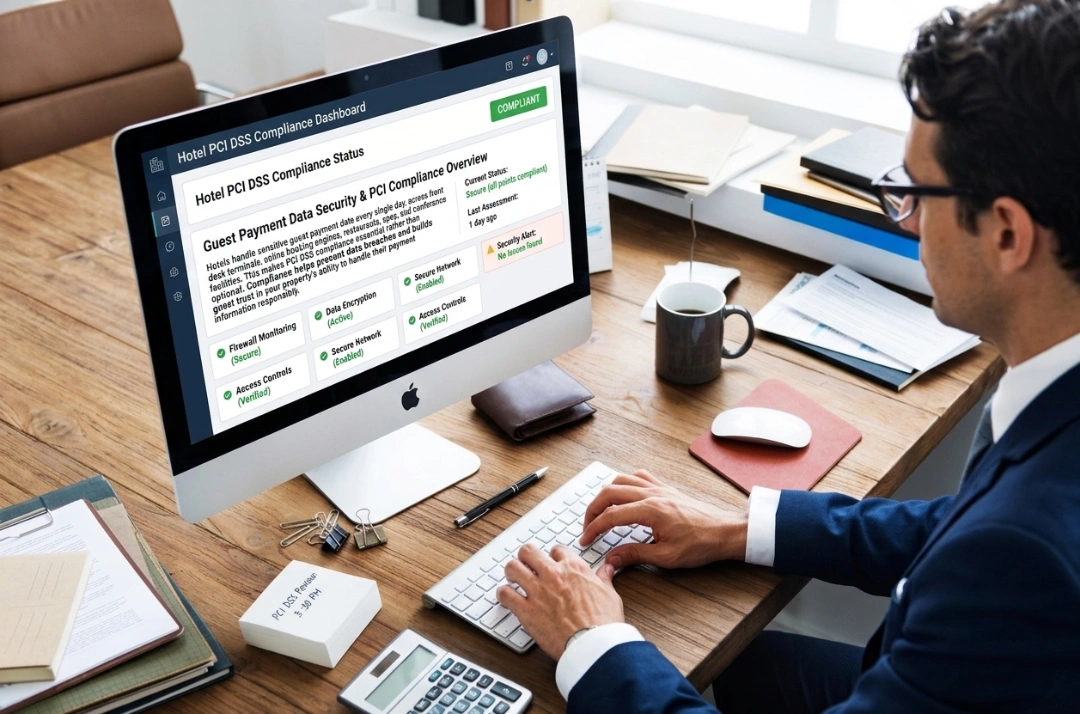
Secure payment gateways act as intermediaries between hotel systems and processors, protecting sensitive data with PCI DSS compliance.
Real-time monitoring tools powered by machine learning detect anomalies instantly, preventing unauthorized transactions before they occur.
EMV chip technology creates unique codes for every purchase, making card cloning nearly impossible and ensuring safer transactions.
Two-factor authentication (2FA) adds another verification step, blocking unauthorized access even if card details are compromised.
Tokenization and encryption replace sensitive card data with secure tokens, ensuring intercepted information is useless to attackers.
Regular security audits and system updates help maintain strong defenses against emerging cyber threats.
By implementing modern payment technology, hotels can build guest trust, prevent fraud, and streamline payment experiences, reinforcing loyalty and operational excellence.
With the rise in global travel and the growth of the hospitality industry, hotel businesses are becoming increasingly vulnerable to credit card fraud. Traditional payment methods are no longer sufficient to protect sensitive customer data from fraudulent activities. As a result, the adoption of modern hotel payment solutions has become imperative. In this blog, we discuss the importance and role of hotel payment solutions in combating credit card fraud effectively.
Firstly, What is Credit Card Fraud?
In simple words, credit card fraud is the unauthorized use of credit card information to make illegal purchases or transactions. It can happen through stolen physical cards, phishing scams or weak online security.
Types of Fraud Faced by Hotel Businesses
Credit card fraud: Stolen card details being used for unauthorized transactions.
Reservation fraud: It occurs when individuals book rooms with no intention of paying or staying.
Chargeback fraud: It involves guests making legitimate purchases but later disputing the charges with their credit card companies for a refund.
Identity theft: In this case, criminals use stolen personal information to pose as guests and conduct fraudulent activities during their stay.
How Modern Hotel Payment Solutions Prevent Credit Card Fraud
In a survey conducted by the American Hotel & Lodging Association, over half of all credit card fraud occurs in the hotel industry. Listed below are some of the key features and benefits of modern hotel payment solutions that help reduce the chances of credit card fraud significantly -
Secure Payment Gateways: First and foremost, hotels collaborate with trusted payment gateways for secure online transactions. These gateways serve as intermediaries, safeguarding sensitive data between the hotel's payment system and the credit card processor. Reputable gateways follow rigorous security standards like PCI DSS, offering extra protection against credit card fraud.
Real-time Transaction Monitoring: Thereafter, modern hotel payment solutions use real-time transaction monitoring with advanced fraud detection tools. Machine learning algorithms analyze transaction patterns across all booking sources - whether from your website, OTAs, or other channels managed through your hotel channel manager - swiftly identifying anomalies and flagging suspicious activities. This proactive approach enables hotels to prevent unauthorized transactions effectively.
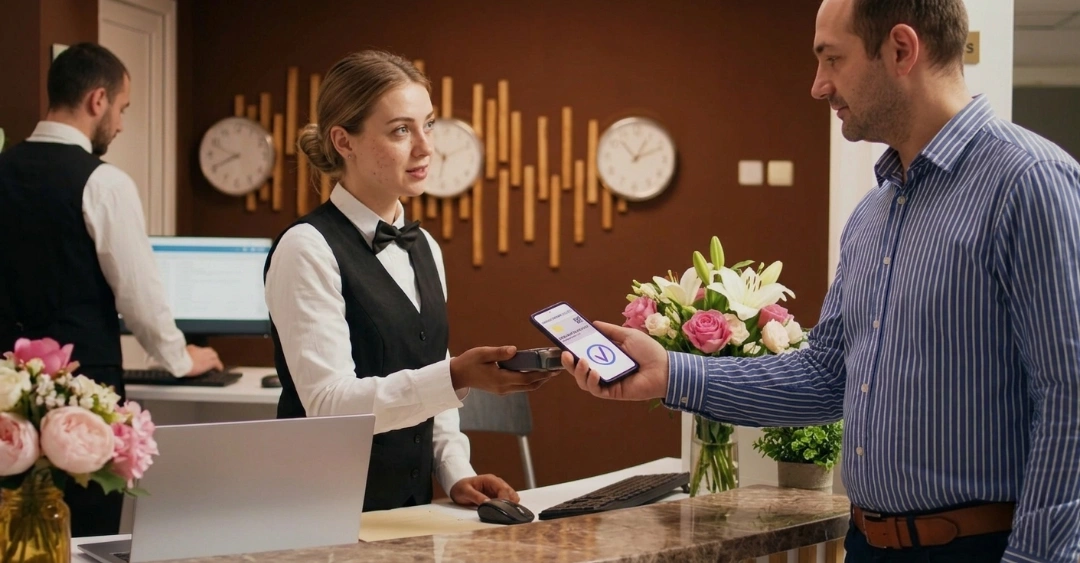
EMV Chip Technology: The widespread implementation of EMV (Europay, Mastercard and Visa) chip technology has greatly improved payment security in the hospitality industry. EMV chips are embedded in credit cards and create a unique transaction code for each purchase. This dynamic data authentication method makes it nearly impossible for fraudsters to clone cards or reuse stolen information, making transactions significantly safer than traditional magnetic stripe transactions.
Two-Factor Authentication (2FA):Next, by requiring customers to provide a second verification factor, such as a one-time password sent to their mobile device, hotels add an extra layer of security to credit card transactions. When integrated into your hotel booking engine, 2FA protects direct bookings by verifying guest identity before payment processing. Even if a fraudster obtains the credit card details, they will be unable to complete the transaction without the additional authentication factor.
Tokenization and Encryption: Hotel payment solutions employ advanced encryption algorithms to secure credit card data during transmission and storage. Tokenization replaces payment information with a unique token that has no inherent value. This ensures that even if a cybercriminal intercepts the data, they will only access meaningless tokens instead of real credit card details. Hotels store the actual credit card data in a secure, off-site server, while the property management system only retains tokens for processing future charges or refunds, thereby reducing the chances of data breaches and credit card fraud.
Regular Security Audits: Lastly, hotels conduct regular security audits to identify vulnerabilities and address potential weaknesses in their payment systems. Additionally, they keep their software and hardware up to date with the latest security patches and enhancements. Continuous monitoring and improvement help maintain a robust defense against credit card fraud.
{{pms-four}}
Conclusion
As the hospitality industry embraces the digital era, the significance of securing customer payment data cannot be understated. By leveraging cutting-edge technologies, hotels can ensure a safe and seamless payment experience for their guests, fostering trust and loyalty in an increasingly competitive landscape.
About roommaster
roommaster's hospitality management software empowers hoteliers to create frictionless payment experiences for their staff and clients. Key features include:
Part of your PMS: One platform to meet all your business needs. Benefit from batching, reporting and reconciliation directly in roommaster.
SRED no more: Forget about manual credit card entry with centralized payments and transactions
Digital registration: With Digital Registration you can capture the guest signature directly from your new (required) credit card terminal.
Quicker processing: Get a 3X-5X increase in transaction speed with our state-of-the-art EMV terminals.
Mayela Lozano is a content strategist with a passion for hospitality and technology. She collaborates with roommaster on content creation, highlighting how technology can streamline hotel operations and enhance guest satisfaction. When she’s not creating content, Mayela loves to travel and spend time with her two little ones, discovering new adventures and making memories along the way.
Join Thousands of Hotels Thriving with roommaster
The transition to roommaster is straightforward and efficient. Our implementation team handles data migration including reservations, guest profiles, and historical information.
The transition to roommaster is straightforward and efficient. Our implementation team handles data migration including reservations, guest profiles, and historical information.
Unsold Hotel Room Inventory: A Complete Guide For Owners 2026
August 25, 2026
Hospitality Trends
General
How To Avoid A Hotel Cancellation Fee: A Guest's Guide 2026
August 25, 2026
Online Bookings
Hotel Management
Bed Bank: A Complete Guide For Hoteliers 2026
August 25, 2026
Hotel Management
General
Hotel Damage Fees: A Guide For Hotel Owners And Guests 2026
August 25, 2026
Hotel Management
Hotel PCI Compliance: The Ultimate Guide For 2026
August 23, 2026
Hotel Management
Data Management
Hotel's Competitive Set (Compset): Hoteliers Guide 2026
August 23, 2026
General
Hospitality Technology
Hotel Phone System: Complete Buyer's Guide 2026
August 20, 2026
Hotel Management
10 Best Guest Ranch Management Software 2026
August 18, 2026
Hotel Management
Digital Tipping Software For Hotels: Complete Guide 2026
August 18, 2026
Hotel Management
10 Best Hotel Spa Management Software For 2026
August 17, 2026
Join Thousands of Hotels Thriving with roommaster
See how roommaster's unified platform can work for your property. Our team will walk you through features tailored to your specific needs and operations.


.png)
.png)
.png)