Distributing your hotel through OpenGDS means connecting your PMS or tech stack, syncing rates and inventory, then joining the B2B partner network. This guide covers each stage, step by step, including how to keep your distribution running after setup ends.
What You'll Need
Distributing through OpenGDS refers to one connected setup across three areas: your system, your inventory, and your partner network. Gather these items before you start, so setup moves in one pass.
- Details on your current PMS, channel manager, or booking tech stack
- Updated room descriptions, high-resolution photos, and amenity lists
- Current rate and availability data for the next few months
- Your partner agreements and any exclusive contract terms
- Tax policies and compliance details for your property
- A staff member to own the connection and marketplace setup
Step 1: Connect Your PMS or Tech Stack
OpenGDS connects to your existing system in one of two ways. Which one applies depends on what your hotel already runs. Most properties already qualify for one path without extra development work.
If Your PMS Has a Native Integration
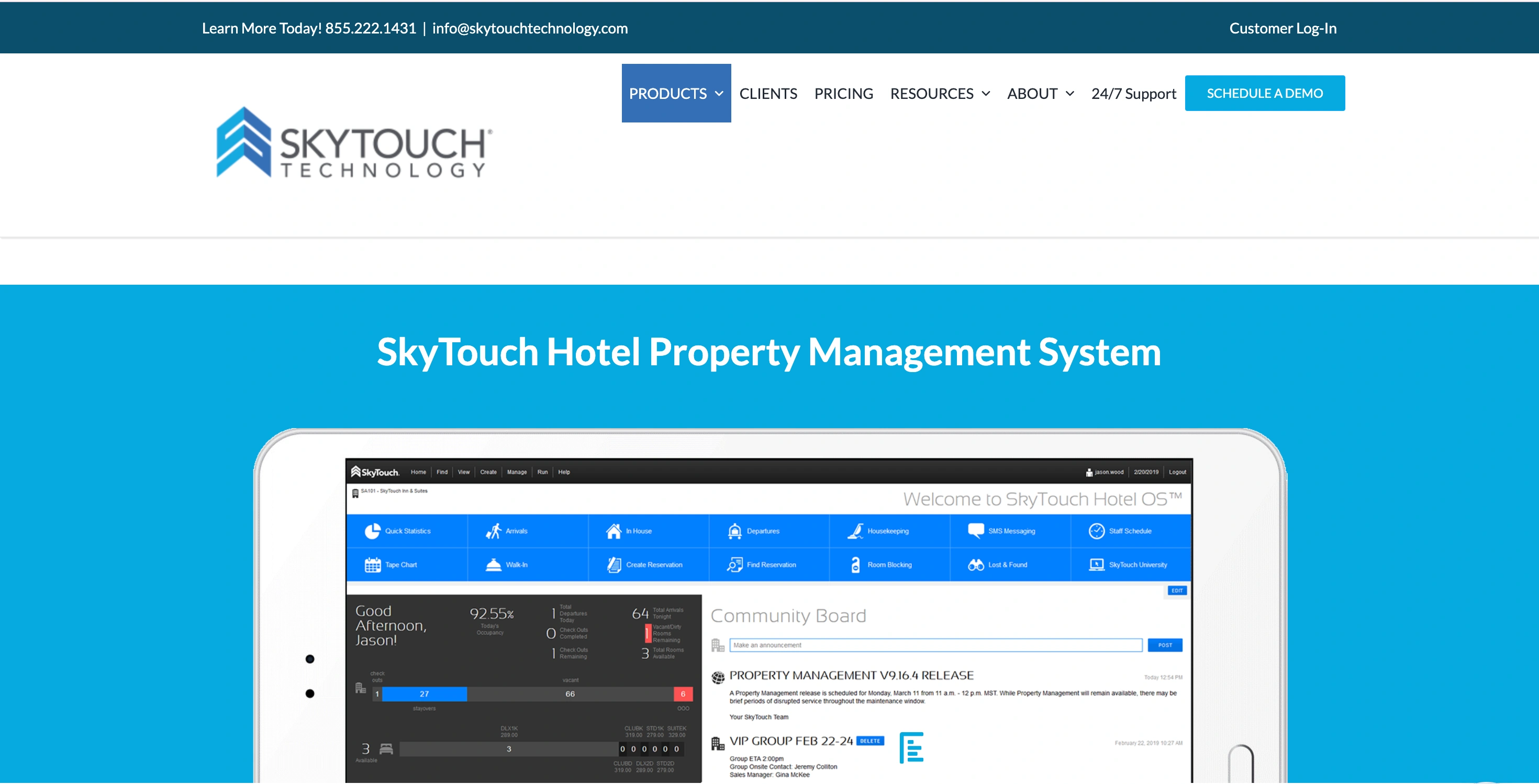
Some platforms already connect to OpenGDS directly, similar to how Mews Operations does. Check your PMS or channel manager's integrations list first. A native connection usually means activating a setting. Nothing new needs to be built.
If You Need to Connect Through the API
If no native integration exists, OpenGDS's API infrastructure links your system instead. This route needs more setup from your PMS provider or IT contact. Confirm with your provider whether they've built an OpenGDS connection before, since many already have.
Step 2: Set Up Your OpenGDS Marketplace Account
Every property needs a master account on the OpenGDS Marketplace. How you set it up depends on whether you're managing one property or several.
Setting Up a Single Property
A single hotel creates one master account tied to its PMS connection. Setup covers the property's core details once, then feeds every partner connection from there.
Setting Up a Multi-Property Chain
A multi-property chain links each property to the same master account. This keeps rates, inventory, and partner terms consistent across the portfolio. Larger groups typically assign one team member to manage the shared account.
Step 3: Upload Inventory and Content
Once your account exists, populate it with the right content. OpenGDS and its partners need this to list your property accurately.
- High-resolution photos of rooms, common areas, and the exterior
- Exact room descriptions, amenities, and occupancy details
- Current contact information for the property
- Tax policies specific to your region
Common Mistake: Uploading low-resolution photos or incomplete descriptions slows down partner approval. Partners often skip properties with thin content in favor of complete ones.
Step 4: Map Your Rate Plans
Rate mapping connects your internal pricing to the specific terms each partner has agreed to.
Map your daily pricing and internal rate plans. The system then automatically respects partner-specific agreements and restrictions. This step determines what rate each partner actually sees, and under what conditions. Rate mapping works differently across traditional GDS platforms than it does on OpenGDS specifically.
Common Mistake: Leaving rate plans unmapped, or mapped to the wrong tier, causes a mismatch. Partners then see rates that don't match your actual agreement. That mismatch usually surfaces as a billing dispute later.
Step 5: Join the Partner Network
Joining the partner network opens your property to qualified inbound requests. It also enables direct B2B deals, beyond automatic distribution alone.
Partners search the OpenGDS Marketplace for available inventory that matches their demand. Joining the network puts your property in front of that search. No separate outreach effort is needed on your part.
Step 6: Monitor and Manage Your Distribution
Once live, ongoing management happens through the same centralized hub used for setup.
- Monitor real-time availability status across every connected partner
- Track incoming reservations from a centralized list
- Review partner-specific performance on a recurring basis
Common Mistake: Treating setup as the finish line leads to missed reservations. A centralized list only helps if someone actually checks it.
What Happens When This Goes Wrong
Most OpenGDS distribution problems trace back to three gaps. Each one is avoidable once you know where it tends to happen.
Uploading Incomplete Property Data
A thin listing rarely gets flagged automatically. It just performs worse, quietly, until someone compares it against a competing property.
Letting Rate Maps Go Stale
A rate plan that isn't updated after a pricing change keeps showing the old terms. Nobody gets an alert when this happens.
Missing Inbound Partner Requests
A centralized list only protects you if it's checked regularly. Requests left unanswered for too long often go to the next available property instead.
How Does roommaster Support Your OpenGDS Distribution?
roommaster doesn't currently list a dedicated OpenGDS integration. The connectivity steps in this guide still happen through your PMS or channel manager. Once that connection exists, roommaster Channel Manager takes over from there. It keeps rates and inventory current going forward.
roommaster Channel Manager syncs rates and availability across hundreds of OTA connections. It also reaches major GDS partners. That's the same discipline this guide covers for OpenGDS, applied across your full distribution mix.
Hotels using roommaster Channel Manager report:
- An 85% reduction in distribution management time
- Real-time rate and availability sync across every connected channel
- One dashboard for reservations, rates, and distribution together
Curious whether your current distribution setup already overlaps with what roommaster connects to? A conversation with roommaster's team can walk through your PMS and your property count.
{{cta-strip}}
Frequently Asked Questions
1. What is OpenGDS?
Is an independent B2B connectivity platform. It links hotels, PMS providers, and travel partners through one hub.
2. Does distributing through OpenGDS require a specific PMS?
Depends on your PMS. Some already have a native OpenGDS integration, others need an API connection instead.
3. Can a single hotel use OpenGDS, or is it only for chains?
Both single properties and multi-property chains can set up a master account. Marketplace setup covers either case.
4. What causes a listing to underperform on OpenGDS?
Causes usually trace back to incomplete property content. Rate plans that haven't been mapped correctly are another common cause.
5. Do I need to manually update rates across every partner?
No, once rate plans are mapped correctly, partner-specific pricing updates automatically from your daily rates.
6. Can roommaster help manage distribution alongside OpenGDS?
roommaster Channel Manager keeps rates and inventory synced across hundreds of OTAs and major GDS. That works even without a dedicated OpenGDS integration.
7. What if my hotel already manages several distribution connections separately?
Consolidating onto one connected system usually reduces errors. Managing each connection by hand raises the odds of mistakes.
.png)
.png)
.png)