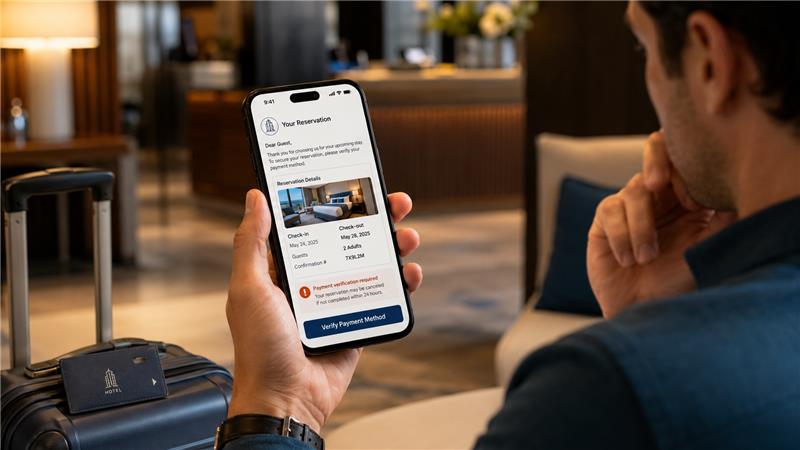
Hotels are replacing outdated PMS systems with cloud-based solutions to improve operations, security, and guest satisfaction.
A structured migration, covering planning, data cleansing, and secure transfer, reduces risks like data loss or broken integrations.
However, challenges often arise from poor planning, rushed implementation, and a lack of staff training, which can cause operational disruptions and inaccurate reporting.
Hotels that invest time in thorough data audits, pilot migrations, and structured team training maintain guest satisfaction and minimize service interruptions during the switch.
With the right partner, like roommaster PMS, hotels can manage the entire process smoothly while gaining modern automation features that drive long-term efficiency and guest loyalty.
How to Migrate Your PMS With Confidence
Most likely, you’re reading this because your current PMS is starting to show its age, and you’re ready for a hotel PMS migration that keeps your hotel operations running smoothly without losing valuable guest data or staff confidence. Many hospitality businesses, including leading hotel chains, have already chosen to migrate to cloud PMS to improve operational efficiency and protect data integrity. Still, the risks of data loss, broken links with POS systems, hospitality-specific CRM, and channel managers remain serious concerns for hospitality professionals.
Since hotels handle sensitive guest profiles, attackers often target them, which makes careful planning essential during any property management system migration. Reports show that nearly a third of the hospitality industry (31%) faces recurring security threats, so relying on outdated legacy systems or a rushed migration process is risky. With the right steps and a modern property management system (PMS) like roommaster, you can make your hotel PMS migration smooth, secure, and successful.
What is Hotel PMS Migration?
A hotel PMS migration happens when a property moves its operations, records, and guest data from an old PMS to a new PMS that supports new technologies and offers stronger business performance. Hotels choose this step when the current system causes operational inefficiencies, limits growth, or fails to integrate with essential tools such as POS systems, channel managers, and hospitality-specific CRM platforms.
The migration process helps hospitality professionals replace outdated systems with a secure, flexible PMS that improves daily operations and supports smarter revenue management. By adopting all-in-one, cloud-based platforms like the roommaster PMS, hospitality businesses can improve staff productivity, reduce manual work, and offer smoother stays that boost guest satisfaction across every touchpoint of the guest journey.
Why Do Hotels Need to Migrate Their PMS?
Moving a hotel’s operations from one property management system to another takes careful planning, teamwork, and a clear goal to improve how the system works. Many hotels find their old PMS too limited to meet modern operational needs or integrate with essential tools that improve staff efficiency and the guest experience. These challenges slow daily operations, restrict automation, and reduce overall guest satisfaction.
Often, hotels decide to migrate because:
Their current PMS limits growth opportunities and cannot efficiently handle increased bookings or multiple locations.
They need a system that can grow with the property and manage daily operations without slowing down staff performance.
They want a solution that improves how staff and guests interact with the system, making every process smoother and faster.
Executing a property management system migration is a strategic choice that impacts both staff productivity and guest satisfaction. A successful migration replaces old software with a system that supports accurate reporting, faster check-ins, and seamless communication across departments. roommaster's cloud-based platform offers a solution designed to grow with your property, ensuring scalability, integration with key systems (POS, channel managers, CRM, and more), and enhanced automation to streamline daily operations.
How Long Does Hotel PMS Migration Take?
Your new property management system will typically provide an estimate of how long the migration and account setup will take. However, this timeframe will vary depending on multiple factors, including:
The complexity of your current system and the amount of guest profiles, historical data, rate plans, and bookings that need to transfer to the new PMS
The number of third-party integrations, including channel managers, payment gateways, POS systems, and other tools that must connect to the new software
Your involvement and responsiveness, such as how quickly you provide data to the new PMS, attend training resources, and participate in status meetings during the onboarding process
On average, hotels complete a PMS migration in 1 to 3 months. But with roommaster, migrations are fast and seamless. Our modern, cloud-based PMS has been implemented successfully thousands of times, and our streamlined process typically gets hotels fully operational in weeks rather than months.
💡Pro Tip: Talk with your account or onboarding manager at the new PMS about ways to make the transition faster and reduce delays.
If you are a hotel director with limited time or technical knowledge, you can assign a team member to serve as the project manager, taking responsibility for coordinating tasks and tracking progress until the migration is complete.
What are the Biggest Challenges in PMS Migration?
According to a recent survey by The Hotel Yearbook, 45% of hotel companies admit they have tech maturity, but 23% rate themselves at low maturity levels. That gap highlights a major barrier when undertaking a significant property management system migration.
Here are the specific challenges that hotels face during PMS implementation, and why they matter:
1. Old PMS limitations and scalability issues
Many hotels still operate outdated systems that cannot scale across multiple properties or handle heavy guest‑data loads. Older software often lacks modern APIs, making full system adoption harder and increasing the risk of disruption.
roommaster’s implementation team addresses this by conducting a thorough operational assessment at the start of the migration process. This ensures that the PMS is configured to meet each hotel’s unique workflows, minimizing the risk of disruption.
2. Data migration risks and information loss
When transferring large volumes of guest profiles, transaction histories, reservations and loyalty data to a new system, hotels face a high risk of losing or corrupting key information. A new industry report shows that data migration and integration are the top concerns for hotel tech buyers.
26% of hoteliers cited staff training as the biggest barrier to switching PMS vendors
24% pointed to data migration complexity as their top concern
48% said they would consider switching vendors due to system reliability issues
42% indicated that cybersecurity concerns alone would be enough to make them walk away
Jordan Hollander, CEO of HotelTechReport, said, “Reliability is everything. If your PMS goes down during check-in or exposes guest data, it doesn’t matter how many features you have—trust is gone.”
roommaster mitigates this risk by providing structured data migration services that facilitate the transfer of historical data from legacy systems with minimal disruption, supported by ongoing assistance from their dedicated support team.
3. Gaps in integrations with existing software
A PMS migration cannot happen in isolation, as third-party integrations such as channel managers, payment gateways, POS systems, and hospitality‑specific CRM tools must be linked to the new PMS.
Many hotels struggle to connect all these tools and end up with broken workflows.
roommaster’s open API enables seamless integrations with existing systems, while their dedicated customer success managers provide strategic guidance to optimize the entire technology ecosystem.
4. Operational downtime and service interruptions
During the migration process, hotel operations such as check‑in, reservations, housekeeping and billing can face interruptions. Even a short period of downtime costs revenue and damages guest satisfaction and staff morale. roommaster’s personalized implementation plan helps reduce downtime. The 24/7/365 support team is available to resolve any issues promptly, guaranteeing smooth transitions with little to no interruption to hotel operations.
5. Cloud security and compliance challenges
Moving to a cloud PMS and centralising guest data and operational systems raises security and regulatory issues. Surveys indicate that around 62% of hoteliers list data security as their top worry when migrating to cloud platforms. Additionally, weak access controls, insufficient encryption, or poor audit logs can create financial penalties and damage brand loyalty.
roommaster takes security seriously by implementing best-in-class encryption, multi-factor authentication, and compliance with industry standards to safeguard guest data during the transition.
{{pms-five}}
6. Budget overruns and ROI uncertainty
Many hotels start with an estimated budget but incur additional costs for custom integrations, training, data cleanup, and support. The unclear return on investment from improved business operations or guest experience often stalls the decision‑making.
roommaster’s focus on role-specific training helps hotels stay within budget. Their ongoing customer success team also provides expert consulting to maximize ROI, ensuring the technology investment pays for itself within 12-24 months.
7. Limited vendor support and training
Even when a hotel chooses a good PMS system, inadequate hands‑on support, limited training resources, and weak post‑migration support can halt the project.
Without strong vendor engagement, the PMS migration checklist will miss critical items and leave loose ends unresolved. roommaster stands out with its comprehensive training program, 24/7 global support, and expert guidance. Hotels benefit from personalized training for every department and role, helping teams feel confident and empowered from day one. With a 97% client retention rate, roommaster’s hands-on, relationship-driven approach ensures long-term success and operational efficiency.
How to Prepare for a Successful Hotel PMS Migration?
Preparing carefully for a property management software (PMS) migration sets the stage for smoother operations and fewer surprises. You can begin the process with some clear steps:
Map all workflows: Define and document every operational workflow your old system executes, so you can replicate them precisely in the new PMS and avoid unexpected gaps.
Conduct full data audit: Audit your entire data set, including guest profiles, reservation history, folios, custom fields, and channel data, so you reduce the risk of information loss during the transition and meet the 38% of hotels that cite usability issues as a turnover cause.
Plan system integrations carefully: Build an integration map listing all third‑party systems, such as point‑of‑sale, channel manager, loyalty program, payment gateway, and housekeeping modules, and engage both vendor and in‑house teams for testing before go‑live.
Organize the staff training schedule: Plan it early and assign a dedicated team member to coordinate status meetings, drive readiness checks, and track progress, so that staff move to the new platform with confidence and minimal disruption.
Define budget and contingencies: Set a realistic budget and schedule that includes contingencies for delays, extra cleanup work, unexpected customisations, and post‑go‑live support, so you avoid cost surprises and deliver measurable returns.
📌Also read: Want to choose the best hotel management software for your property? This guide will break down the top platforms by price, features, and property type, so you can shortlist the right one without sitting through a dozen sales calls.
What is the Step-by-Step Hotel PMS Migration Process?
A planned approach to property management software (PMS) migration makes the transition smoother and more controlled. When you divide the process into structured phases, the project becomes easier to manage, monitor, and deliver within time and budget.
Phase 1: Planning and selection
The journey begins by studying your current system to identify precisely where it slows your operations, limits reporting, or fails to meet day-to-day needs. This makes it easier to define requirements for a new platform that will genuinely support your hotel.
While researching providers, you can compare functionality, integration options, and support structures, which naturally leads to setting a realistic migration timeline and budget, and assigning a small internal team to coordinate the project.
With roommaster PMS, this process is guided by our experienced implementation team, which helps assess your workflows, recommend best practices, and identify integrations to optimize your operations. Our comprehensive approach makes it easier to set realistic migration timelines and budgets while assigning an internal team to coordinate the project. With our guidance, this planning phase typically takes 2–4 weeks, even for properties with multiple systems and stakeholders, ensuring a smooth transition from day one.
Phase 2: Data preparation and cleansing
Once planning is complete, your focus will shift to preparing the data, which is often the most sensitive part of the story. You can begin by auditing records to correct duplicates, outdated information, or formatting issues so your new system starts with clean, usable data. Before the actual transfer, you can also create comprehensive backups to avoid accidental data loss.
At this point, it helps to break the work into a few digestible tasks:
Audit and correct guest, reservation, and accounting records
Standardize formats to make them consistent in the new system
Create secure backups to protect against data loss
This phase typically lasts 2-3 weeks, and completing it thoroughly reduces errors when the system goes live.
Phase 3: Executing the migration
Then comes the technical transfer, where preparation meets action. In this phase, you’ll collaborate with your vendor to move the cleansed data while checking for compatibility and security. Then, you can run a test migration on a limited dataset to catch any unexpected issues early.
After the full transfer, your team will review every record, confirm reporting functions are working correctly, and test integrations with booking and accounting systems. Running both old and new systems together for a brief period gives your team time to fix problems without interrupting daily operations.
Depending on the volume of data and complexity of integrations, this stage usually lasts 1-2 weeks.
Phase 4: Go-live and post-migration
The go-live phase marks the official switch to the new PMS across all operations. Before launch, ensure every team member has completed training and can confidently handle daily tasks. Set a confirmed go-live date and communicate it to all departments to avoid confusion.
Once live, monitor how the system performs and gather staff feedback to detect early issues. Keep support channels active so that users can report problems and receive quick assistance.
To make this stage more actionable, focus on these tasks:
Track real-time system performance
Collect and review user feedback
Resolve identified issues quickly
Once your team confirms that the new system runs smoothly and supports all operations independently, you can safely retire the old platform. This phase generally takes 2-4 weeks and covers user training, support, and post-launch monitoring.
How to Minimize Downtime During Hotel PMS Migration?
You can significantly reduce operational disruption during a hotel PMS migration when you follow smart practices and involve your team early. The following actions keep guest service strong while your PMS migration moves forward:
Schedule your migration during a low-occupancy period to reduce guest and staff pressure. For example, studies show that hotels adopting automated migration tools cut manual data load times from 30‑40 hours to as little as 4 or 5 hours.
Run a limited pilot migration first to confirm data accuracy, integrations, and overall system stability.
Train your front desk and operations staff ahead of launch so they can handle real-time issues confidently.
Maintain both old and new systems temporarily during the transition to verify accuracy and prevent service interruptions.
Set up a fallback paper-mode for front-desk check-in, check-out, and payments to keep operations moving if digital tools experience downtime.
Communicate every change clearly with staff, vendors, and guests to maintain trust throughout the process.
Research shows that, with modern cloud PMS and automated migration tools like roommaster PMS, hotels can cut migration downtime to under 15% of prior implementations once they adopt automation and clear-cut over protocols.
✅ Pre-Go-Live Readiness Checklist
Test integrations with POS systems, booking engines, and accounting tools.
Back up property and guest data securely before migration begins.
Train key team members on all core workflows in the new system.
Prepare a fallback paper mode for check-in, check-out, and payment processing.
Share a confirmed go-live schedule with all departments and vendors.
What Does Hotel PMS Migration Cost?
The costs of moving your hotel PMS vary depending on property size, operational needs, and system complexity. Planning ahead helps prevent unexpected expenses and allows you to budget accurately:
Overlapping subscriptions: You will need to maintain both your old PMS and the new system for at least one month, which can create double billing depending on existing contract obligations with the provider.
Start-up fees: Your new PMS provider may charge for onboarding, data import, and system configuration, especially for multi-property hotels with complex operational workflows.
Staff time investment: Your team will spend significant hours providing data, testing processes, and explaining daily workflows to the new PMS provider while still completing regular responsibilities.
Training and support costs: You may need additional sessions to train staff effectively, provide temporary front-desk coverage, and pay for vendor support during the migration to prevent operational interruptions.
Hardware or software upgrades: Some new PMS platforms require higher-performance systems, which can include upgraded workstations or servers to handle increased data processing and integration needs without slowing daily operations.
roommaster PMS combines all essential tools into a single system, which removes the expense and complexity of maintaining multiple vendors. Thousands of properties worldwide trust roommaster, and the platform has achieved a client retention rate of 97%.
{{pms-one}}
With roommaster, you’ll gain access to 24*7 support from specialists who understand hospitality technology and can assist with any operational challenge during or after migration.
What Common Mistakes Should Hotels Avoid During PMS Migration?
Understanding common errors ahead of time helps you take control and keep the transition smooth, including these key areas to watch out for:
Rushing the planning process: Skipping detailed planning may create gaps in data mapping and workflow setup that disrupt daily operations. You should take the time to define requirements, review property-specific processes, and schedule milestones to allow sufficient preparation and testing before going live. roommaster provides a comprehensive operational assessment and ensures a structured, tailored setup so your system aligns with your hotel’s workflows from the start.
Neglecting data cleansing: Failing to audit and clean data leads to inaccurate guest records, duplicate bookings, and reporting errors that confuse staff. Conducting thorough audits, correcting mistakes, and standardizing formats in advance prevent data issues from slowing operations after migration. Our automated migration tools clean and validate data before transfer, ensuring accuracy and minimizing errors during the transition.
Undertraining the team: Introducing a new PMS without training staff thoroughly often causes mistakes at the front desk and frustration among employees. Investing time in hands-on training and assigning experienced super-users to guide others builds confidence and reduces operational errors. At roommaster, we provide role-specific, hands-on training that prepares your team for a seamless transition and ensures they’re confident in using the new system from day one.
Skipping test runs: Going live without testing integrations, reporting, and payment processing can lead to surprises that disrupt guest services unexpectedly. Running pilot migrations during low-traffic periods or on small datasets identifies issues early, so they can be fixed without affecting daily operations. In fact, our pilot migration tools let you run test scenarios, ensuring everything, from data to payment systems, is fully operational before going live.
Poor communication with stakeholders: Failing to clearly explain changes to staff, vendors, or guests can result in confusion and lost revenue. Sharing detailed schedules, responsibilities, and fallback procedures keeps everyone informed and helps the property operate without disruption during the transition. Our dedicated project managers ensure clear, timely communication so everyone involved knows exactly what to expect during the migration.
How to Measure the Success of Your Hotel PMS Migration?
Tracking the results of your PMS migration helps you see whether the system meets operational goals and improves daily efficiency. You can use several practical metrics to evaluate success and identify areas that need attention:
Data accuracy
Staff adoption rate
System downtime
Operational efficiency
Guest satisfaction
Check-in and check-out speed
Data consistency across systems
Revenue reporting accuracy
Guest service feedback
You can calculate success by comparing pre-migration benchmarks with post-migration performance for these metrics.
Start Your PMS Migration Journey With roommaster PMS
Switching to a new PMS can bring noticeable improvements to daily hotel operations, but it requires time for you and your team to adapt to new features, interfaces, and tools. You should prepare for learning curves, and it helps to share your current workflows with PMS providers to find a system that fits your operational needs.
roommaster's cloud-based hotel property management system gives independent hotels the operational backbone they need to manage all aspects of their business effectively. Here’s how roommaster helps:
Revenue management integration: The system integrates with ampliphi RMS to apply automated pricing adjustments based on current demand and market conditions. Using ampliphi’s Auto Pilot feature, you can manage room rates automatically with live data, saving time while maintaining full control over pricing rules.
Operational efficiency: You can save time on manual pricing, reporting, and management tasks while maintaining full control over daily decisions and goals.
Smooth implementation: roommaster PMS gets hotels up and running quickly with minimal disruption, making the transition easier for front desk and back-office teams.
Guest-focused operations: The platform allows hotels to focus on guest experience while reducing complexity and handling multiple operational tools from a single system.
You can start your PMS migration with confidence, knowing that roommaster connects all hotel functions into one platform and supports AI-powered automation for revenue decisions, giving your team the freedom to focus on guest satisfaction and operational success.
Book a demo today to see how roommaster can make your hotel operations faster, simpler, and more manageable.
{{cta-strip}}
FAQs
1. How to protect data during hotel PMS migration?
You should back up all data before starting the migration and verify it for completeness. Encrypt sensitive guest and financial information to prevent breaches while transferring records between systems.
2. How to train staff for a new hotel PMS?
Provide hands-on sessions that cover daily tasks and common issues. Encourage staff to ask questions and practice using all features so they feel confident operating the new system.
3. How long does hotel PMS migration take?
The migration timeline depends on property size, data volume, and integrations. Small hotels often complete migrations in two to six weeks, while larger properties may take months. Proper preparation, staff readiness, and the use of automated migration tools such as roommaster PMS can significantly reduce downtime and improve transition efficiency.
4. What happens to my integrations during a successful PMS migration?
All connected systems, such as booking engines, channel managers, and POS tools, require revalidation. Testing each integration before go-live ensures accurate data flow and avoids disruption. Proper planning allows most integrations to continue functioning smoothly while you transition to the new PMS environment.
5. Can I migrate my PMS without professional help?
While some hotels attempt self-managed migrations, expert support reduces the risk of errors and downtime. A software provider like roommaster PMS provides professional migration assistance to guide data transfer, test integrations, and train staff, making sure the new system functions properly from day one without operational disruption.
6. What's the difference between cloud PMS migration and an on-premise upgrade?
Cloud PMS migration moves all data and operations to an internet-hosted system, offering real-time access and automated updates. As a modern cloud platform, roommaster PMS provides seamless integration and flexibility, eliminating the need for manual updates and IT maintenance. In contrast, on-premise upgrades update software on local servers, often requiring manual installation and ongoing IT maintenance, which can take longer and demand more internal resources to manage effectively.
pms-five
Unlock your hotel’s potential with roommaster all-in-one software
Mayela Lozano is a content strategist with a passion for hospitality and technology. She collaborates with roommaster on content creation, highlighting how technology can streamline hotel operations and enhance guest satisfaction. When she’s not creating content, Mayela loves to travel and spend time with her two little ones, discovering new adventures and making memories along the way.
Join Thousands of Hotels Thriving with roommaster
The transition to roommaster is straightforward and efficient. Our implementation team handles data migration including reservations, guest profiles, and historical information.
The transition to roommaster is straightforward and efficient. Our implementation team handles data migration including reservations, guest profiles, and historical information.
Hospitality Phishing Attacks Are Rising: How Guests Can Protect Themselves
August 24, 2026
Hotel Management
Data Management
Hotel's Competitive Set (Compset): Hoteliers Guide 2026
August 23, 2026
Hotel Management
Data Management
Booking Pace: What It Means and How to Track It
August 5, 2026
Hotel Management
Data Management
Hotel Renovation: How to Budget, Fund, and Protect Revenue
August 4, 2026
Data Management
Hotel PMS
What Is USALI? The Uniform System of Accounts for Hotels Explained
August 4, 2026
Hotel Management
Data Management
Hotel Asset Management: A Practical Guide for Independent Owners
August 4, 2026
Hotel Management
Data Management
Hospitality Financial Management: An Owner's Guide
August 4, 2026
Hotel Management
Data Management
Hotel P&L Statement: A Complete Guide for Owners and GMs
August 3, 2026
Hotel Management
Hospitality Technology
Data Management
10 Best POS System for Hotels 2026
July 30, 2026
Data Management
Hotel Management
STR Report For Hotels: How To Read & Use It Effectively
April 1, 2026
Join Thousands of Hotels Thriving with roommaster
See how roommaster's unified platform can work for your property. Our team will walk you through features tailored to your specific needs and operations.





.png)
.png)
.png)