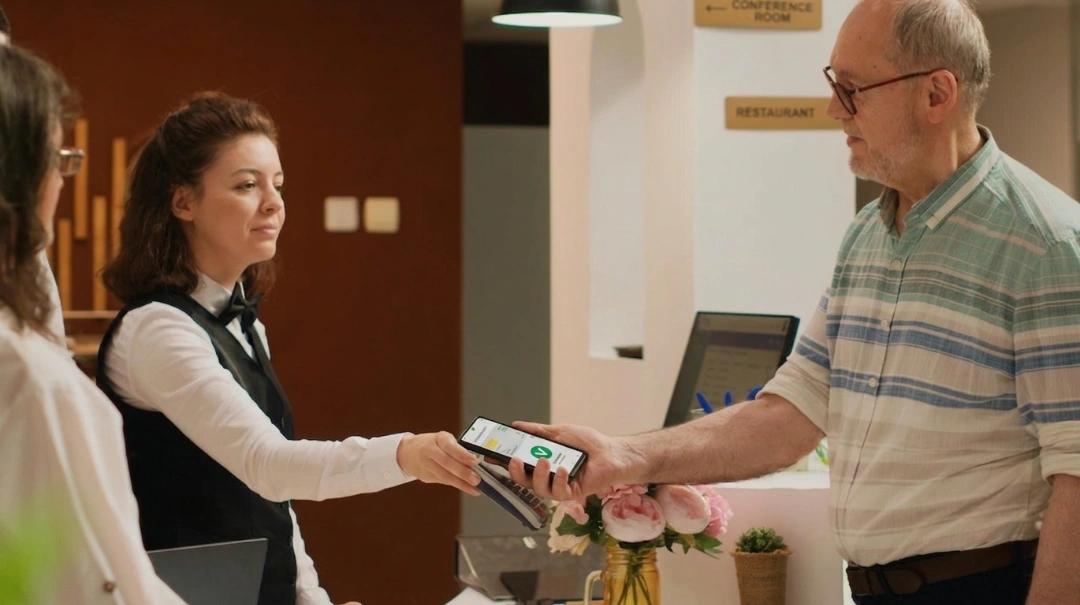
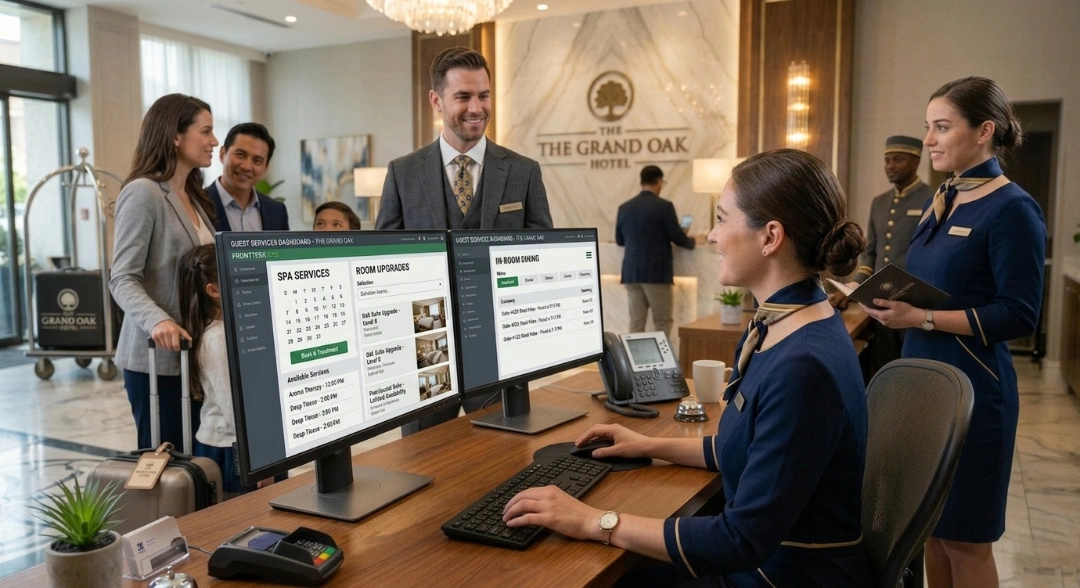
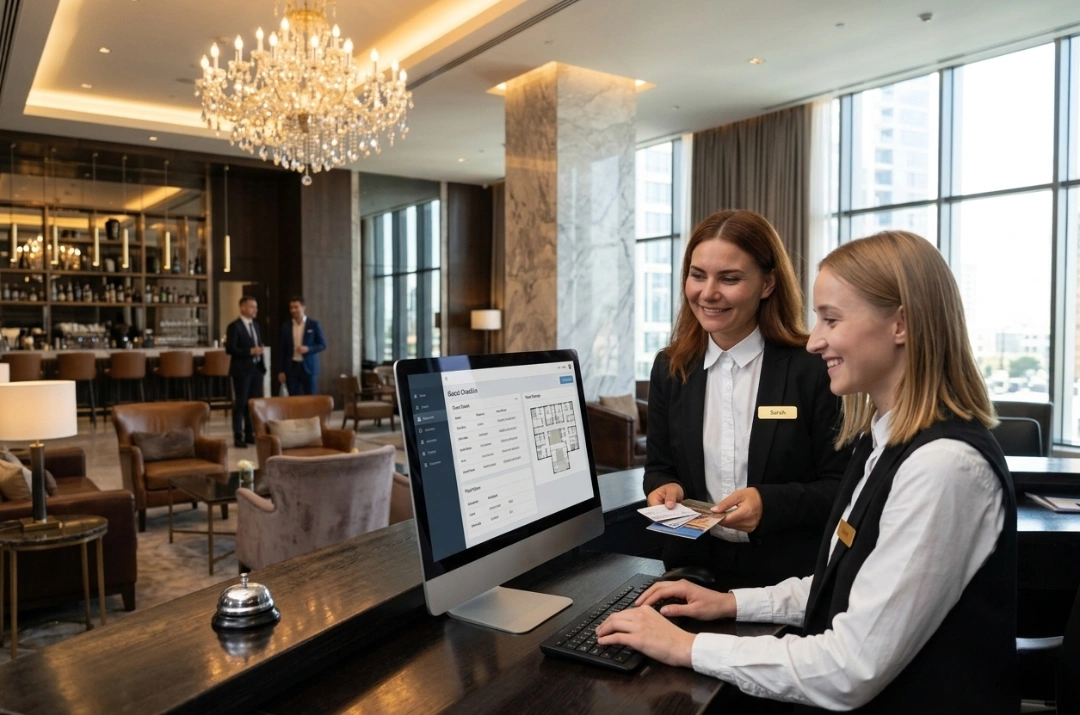
Canada's hotel software market is growing at 7.3% CAGR through 2030. Cloud adoption is accelerating across independent properties.
Independent hotels make up 63.76% of all Canadian properties. The right hotel management software directly shapes how profitable they are.
Hotel management software in Canada must handle PIPEDA, provincial taxes (GST/HST/PST/QST), bilingual workflows, and Interac payments.
We compared 10 hotel management platforms on operations, compliance, integrations, and Canadian specific requirements.
roommaster is the best hotel management software in Canada for independent hotels and groups. It is the only all in one platform with Canadian compliance built in from day one.
Comparing the top 10 hotel management software in Canada for 2026: roommaster, Cloudbeds, WebRezPro, Hotelogix, Maestro PMS, eZee Absolute, Little Hotelier, Mews, ThinkReservations, and RoomKeyPMS.
You are running a hotel in Canada. That means up to four different provincial tax frameworks, two official languages, PIPEDA on top of everything else, and guests who expect Interac at checkout. Your hotel software needs to handle all of it. Most do not.
This guide covers all 10 platforms based on what actually matters for Canadian properties.
Top 10 Hotel Management Software in Canada for 2026
A quick overview before the detailed breakdown.
1. roommaster: The best hotel management software for Canadian independent hotels and groups. Full Canadian compliance included: PIPEDA, provincial taxes, bilingual support, and Interac. Trusted by thousands of hotels worldwide.
2. Cloudbeds: 2026 HotelTechAwards winner for Best Hotel Management Software. Strong platform with 400+ integrations and clean UX. Used by 22,000+ properties globally. Needs additional setup for full Canadian compliance.
3. WebRezPro: The only major hotel software on this list built in Canada. Developed in Victoria, BC, serving Canadian hotels since 2003. Native GST/HST/PST support and bilingual interface included.
4. Hotelogix: Cloud based hotel software designed for small and mid-sized properties. Accessible pricing and solid OTA connectivity. Good for properties moving from manual systems to cloud for the first time.
5. Maestro PMS: Over 40 years serving North American hotels. Full service hotel management system covering PMS, spa, F&B, activities, and loyalty programs. Strong Canadian market presence.
6. eZee Absolute: All in one hotel software covering PMS, booking engine, channel manager, restaurant POS, and spa management. Well suited for hotels running multiple departments.
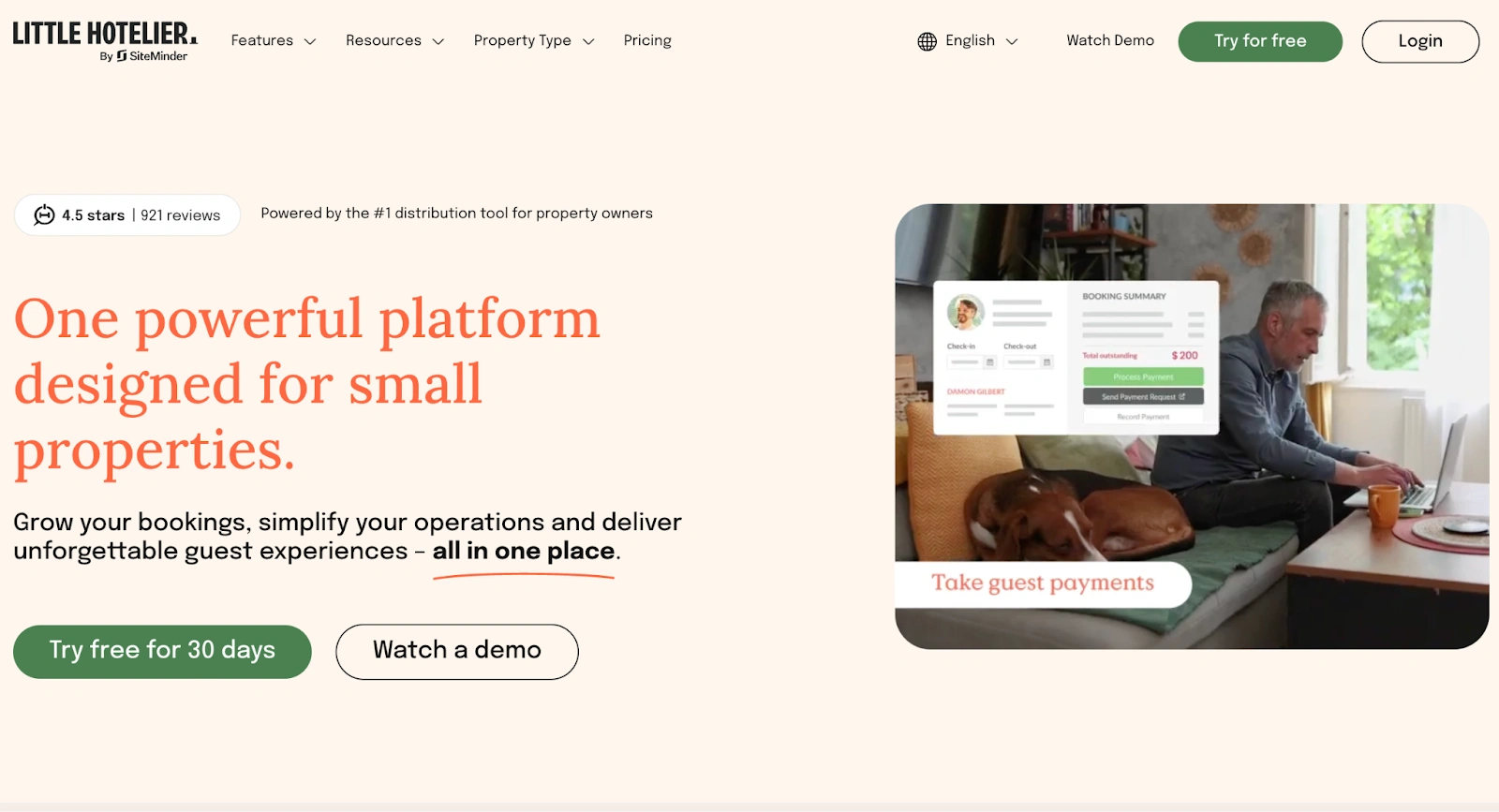
7. Little Hotelier: Built for properties under 20 rooms. The simplest setup on this list. Backed by SiteMinder's distribution network.
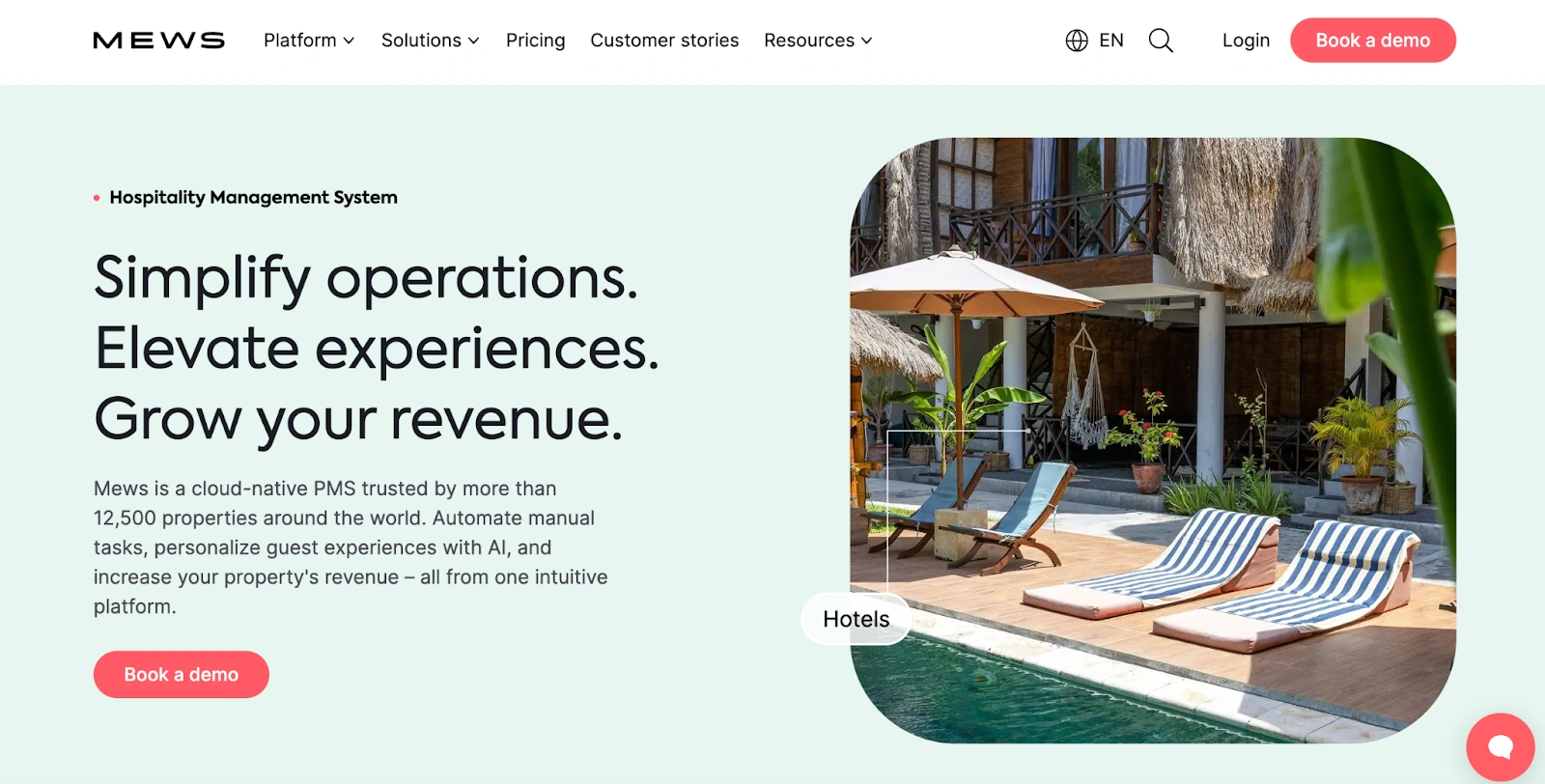
8. Mews: Modern hotel management system for tech forward boutique hotels. 12,500+ properties globally. Known for its open API architecture and app marketplace.
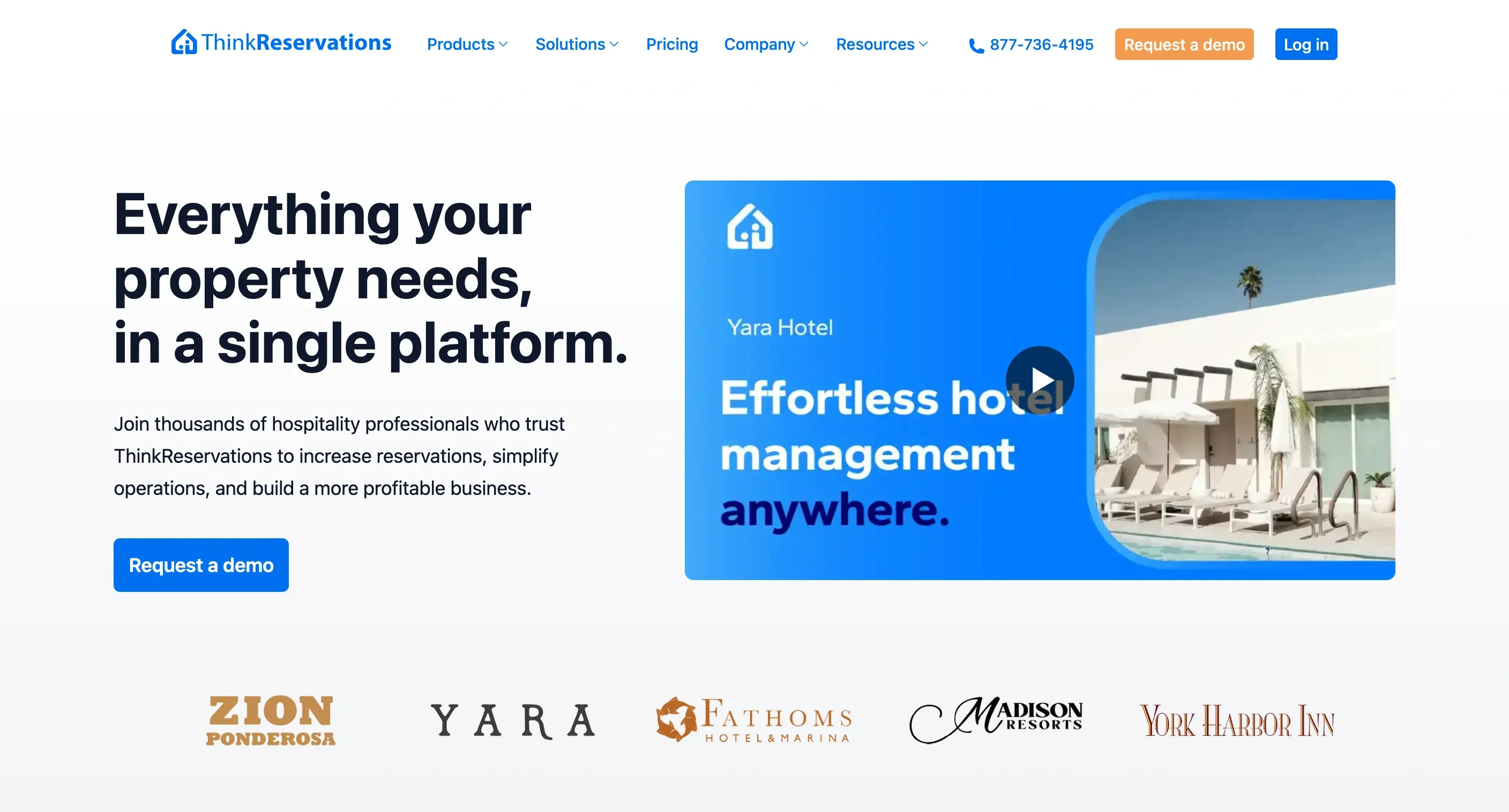
9. ThinkReservations: Built for small independent properties with 1 to 75 rooms. Strong direct booking tools and the highest Capterra rating on this list at 4.9 out of 5.
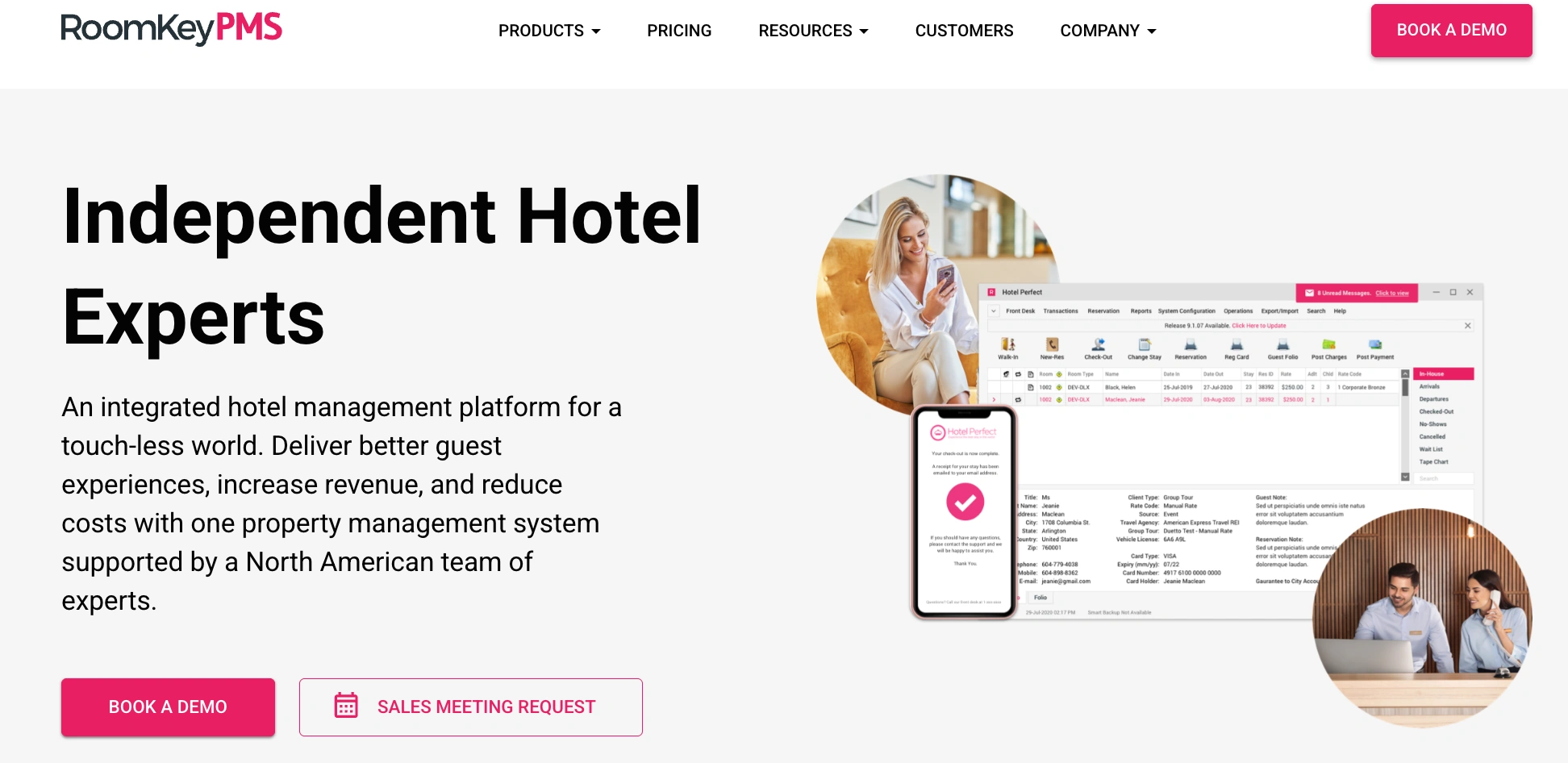
10. RoomKeyPMS: North American hotel management system with 70,000+ managed rooms and nearly 20 years of experience. Strong reporting and support teams staffed by former hoteliers.
10 Best Hotel Management Software in Canada: At a Glance
Below, we compare the 10 best hotel software options in Canada side by side. Key features, pros, cons, and pricing to help you decide which fits your property best.
Platform
Best For
Pricing Model
Key Strengths
Notable Integrations
Customer Support
roommaster
Independent hotels, boutique properties, multi-property groups
Custom pricing based on property size
Comprehensive all-in-one platform, 30+ years experience, AI revenue optimization, strong Canadian support
Simple direct booking focus, integrated website builder
Essential OTA connections, basic accounting
Direct access to support team, property-focused service
RoomKeyPMS
Independent hotels wanting established reliability
Custom pricing based on needs
20 years experience in North America, former hotelier support
Established integration ecosystem
Locally-based support from former hoteliers
What Is Hotel Management Software?
Hotel management software is the operational core of any Canadian property. It connects reservations, front desk operations, housekeeping, billing, channel distribution, and guest communications in one platform. Your team accesses everything from a single screen.
For Canadian hotels, a good hotel management system does more than cover the basics. It handles multi-province tax calculations automatically. It supports bilingual English and French workflows. It keeps guest data PIPEDA compliant. And it connects natively with Canadian payment processors like Interac and Moneris.
Most properties still run disconnected tools. A separate booking system. Manual tax calculations. A different channel manager login. Hotel software in Canada replaces all of that with one connected system. Your team stops switching screens. They focus on guests.
How Do We Evaluate Hotel Management Software Platforms?
We scored each platform across six criteria. Canadian market requirements carry additional weight.
1. Core Operations: Front desk, reservations, housekeeping, billing, and reporting quality.
2. Canadian Compliance: PIPEDA data protection, provincial tax automation, bilingual interface capability, and Interac and Moneris payment support.
3. Distribution and Channel Management: OTA connectivity, real time inventory sync speed, direct booking engine performance, and metasearch integration.
5. Integrations and Marketplace: Accounting software compatibility, payment processor options, and guest experience tool connectivity.
6. Support and Onboarding: Response times, availability of Canadian based support, and training resources.
Top 10 Hotel Management Software Providers in Canada
1. roommaster
roommaster is the best hotel management software in Canada. It covers PMS, channel manager, booking engine, revenue management, and guest communications from one unified platform. Canadian compliance is built in from day one.
Most hotel software adds Canadian tax rules as an afterthought. roommaster does not. GST, HST, PST, and QST calculations happen automatically across all provinces. Staff get a full English and French interface. Guest data is PIPEDA compliant without additional setup. Interac and Moneris work natively.
Canadian hoteliers using roommaster typically see:
Hundreds of OTA connections and 100+ marketplace integrations
Dedicated Canadian implementation team with 24/7 support
HotelTechReport 2025 Certificate of Excellence
Cons:
Higher entry price than point solutions for properties under 10 rooms
{{pms-one}}
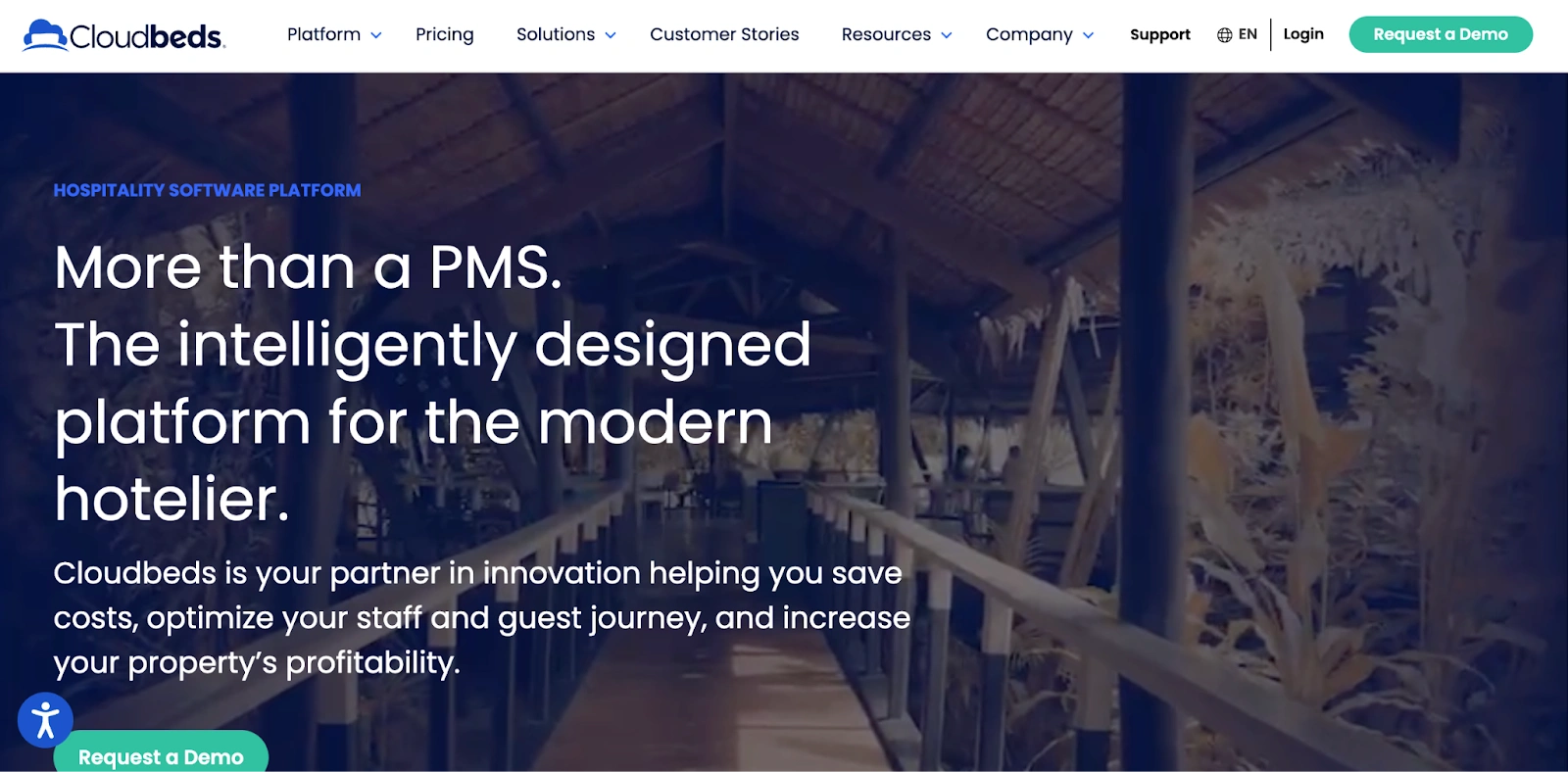
2. Cloudbeds
Cloudbeds won the 2026 HotelTechAwards for Best Hotel Management Software globally. It is used by 22,000+ properties across 157 countries. The platform covers PMS, channel management, booking engine, and payments with strong UX.
For Canadian hotels, Cloudbeds handles the essentials well. Full Quebec compliance including QST automation and Bill 96 bilingual requirements needs additional setup. Interac support also requires configuration.
Best for: Tech forward, distribution focused properties
Canadian compliance: Partial
Pros: Award winning UX, 400+ integrations, strong metasearch tools
Cons: Not purpose built for Canadian compliance. Quebec requirements need extra work.
3. WebRezPro
WebRezPro is the only hotel software on this list built in Canada. World Web Technologies developed it in Victoria, BC, and has served Canadian hotels since 2003. It handles GST, HST, and PST natively. A bilingual interface is included. Over 2,000 properties worldwide rely on it. A dependable choice for independent Canadian hotels that want locally supported software.
Best for: Independent Canadian hotels, vacation rentals, multi property operations
Canadian compliance: Full
Pros: Canadian built and locally supported, reliable core PMS, strong compliance
Cons: Less depth than roommaster for revenue management and AI powered pricing
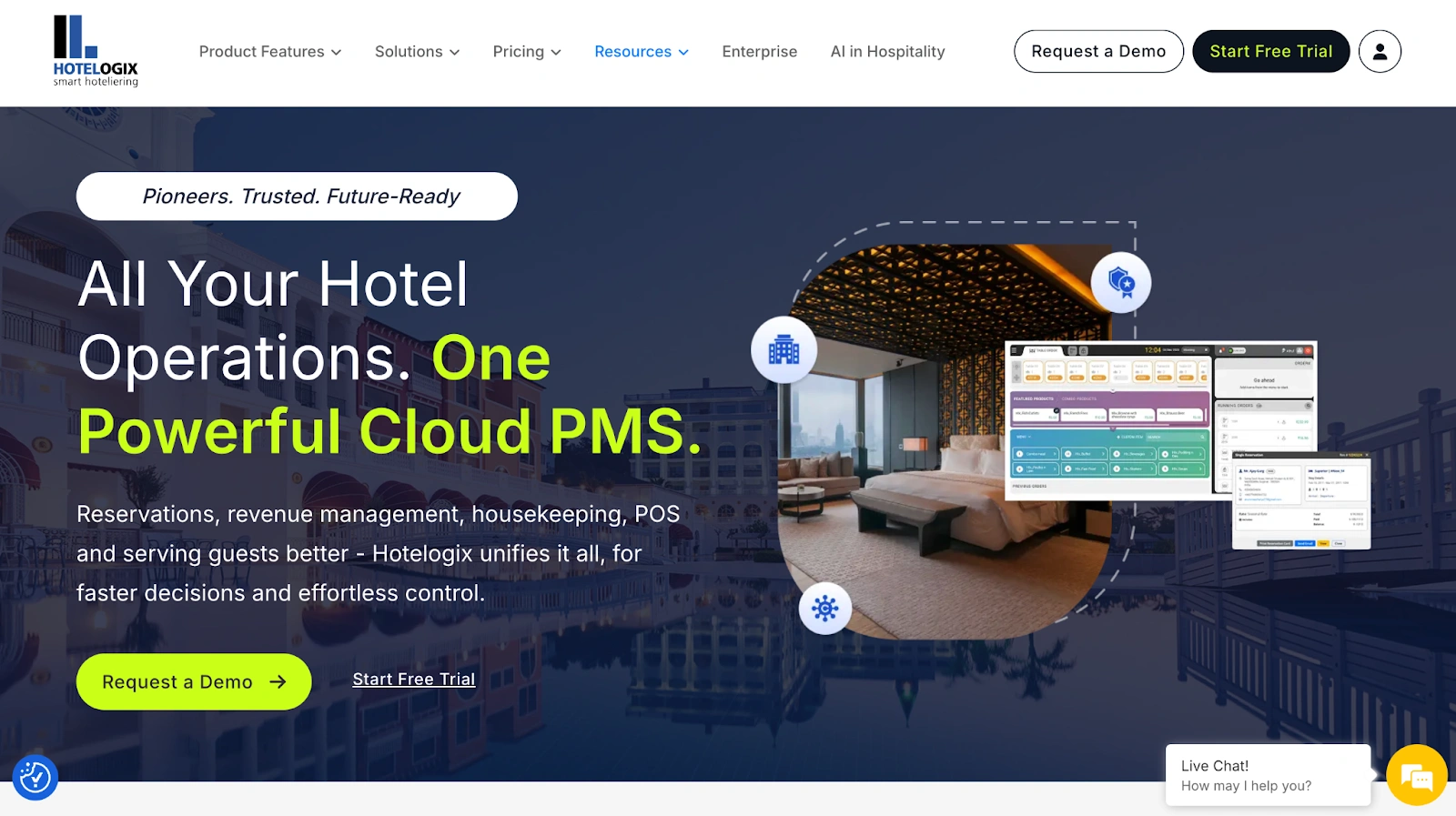
4. Hotelogix
A cloud based hotel management system for small and mid-sized properties. Hotelogix covers front desk management, housekeeping, OTA connections, and reporting at an accessible price. Good for properties moving from manual or legacy systems to cloud for the first time.
Best for: Budget hotels, motels, small properties new to hotel software
Canadian compliance: Partial
Pros: Most affordable entry point on this list, cloud based, good OTA connectivity
Cons: No native Canadian tax automation, bilingual support, or Interac integration
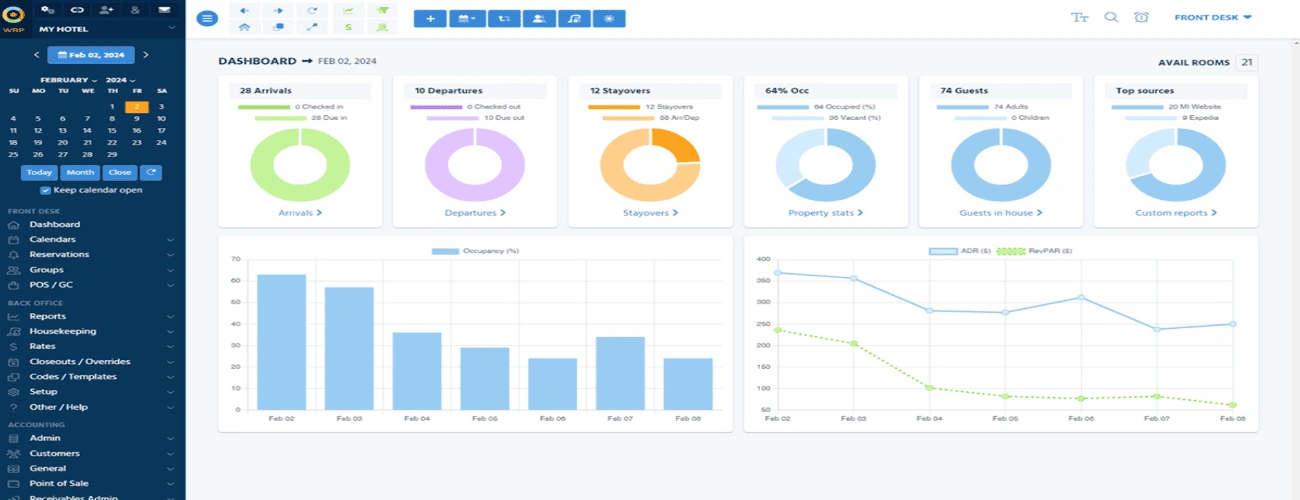
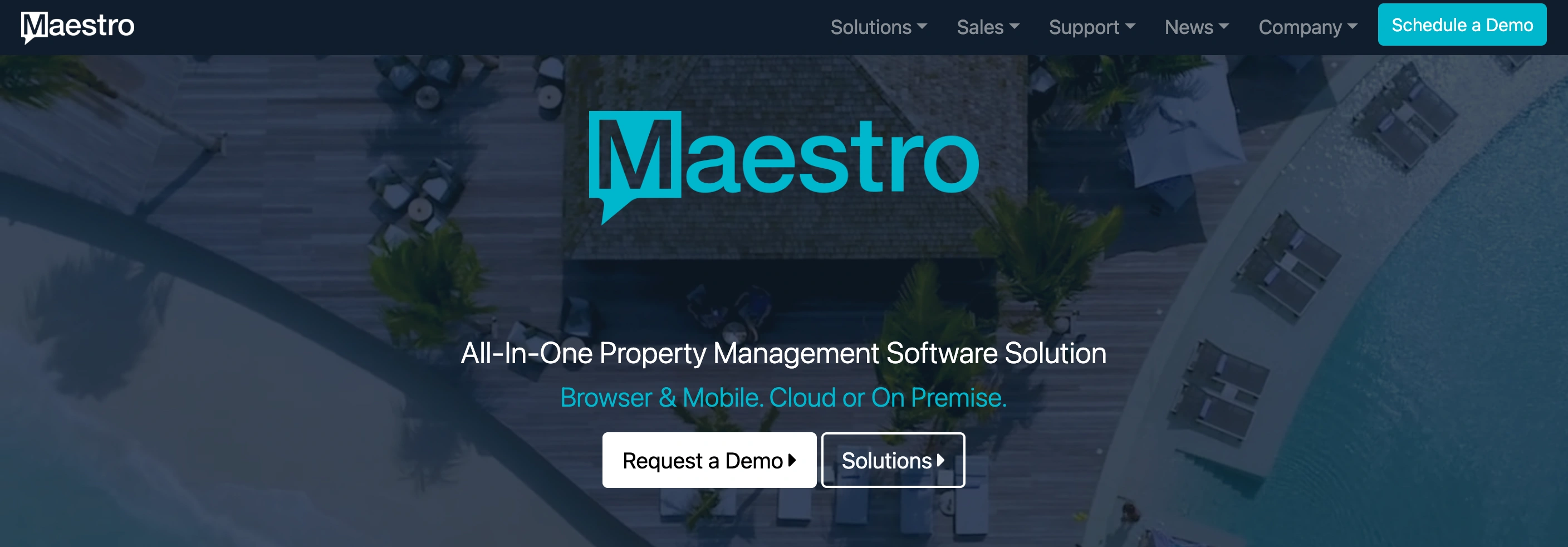
5. Maestro PMS
Maestro has served the North American hospitality market for over 40 years. It covers PMS, spa, F&B, activities, and loyalty programs. Available as cloud or on premise. Best for Canadian full service hotels and resorts with complex multi department requirements.
Best for: Full service hotels, resorts, properties with spa, F&B, and loyalty programs Canadian compliance: Full
Pros: Unmatched operational depth, strong Canadian market presence, on premise option available
Cons: Steeper learning curve and higher implementation complexity than most on this list
6. eZee Absolute
An all in one hotel software platform covering PMS, booking engine, channel manager, restaurant POS, and spa management. eZee Absolute suits Canadian properties managing rooms, dining, and wellness under one vendor.
Best for: Hotels with restaurants, spas, or multiple service departments
Canadian compliance: Partial
Pros: Multi department coverage, competitive pricing, clean interface
Cons: Needs configuration for Canadian tax rules. Limited Canadian support availability.
7. Little Hotelier
Little Hotelier is built for properties under 20 rooms. B&Bs, guesthouses, and boutique inns use it most. It is the simplest setup on this list. SiteMinder's distribution network backs it. Ideal for operators who want to get online fast without complexity.
Best for: Properties under 20 rooms, first time hotel software users
Canadian compliance: Partial
Pros: Fastest setup, simplest UX, strong distribution backing
Cons: Limited depth for growing properties. No Canadian compliance features.
8. Mews
Mews is a modern hotel management system built for design forward properties. Its open API and large app marketplace give tech confident hoteliers maximum flexibility. Used by 12,500+ properties in 85+ countries. Best suited for urban boutique hotels comfortable with a cloud native platform.
Best for: Modern boutique hotels, tech forward urban properties
Canadian compliance: Partial
Pros: Best in class modern UX, open API, large app marketplace
Cons: Requires technical confidence to configure. Canadian compliance is not native.
9. ThinkReservations
A hotel management platform built for small to mid-sized independent properties. Typically 1 to 75 rooms. ThinkReservations combines a clean PMS, direct booking engine, and channel manager in a simple interface. Strong customer support and the strongest direct booking tools at this price tier.
Best for: B&Bs, inns, small independents focused on direct revenue
Canadian compliance: Partial
Pros: Highest customer satisfaction on this list, clean interface, strong direct booking engine Cons: Not designed for larger properties. Limited Canadian compliance features.
10. RoomKeyPMS
A North American hotel management system with 70,000+ managed rooms and nearly 20 years of experience serving independent full service hotels. RoomKeyPMS offers cloud delivery, strong reporting, and support teams staffed by former hoteliers.
Best for: Independent full service hotels, budget focused North American operators Canadian compliance: Full
Pros: 20 years of North American experience, strong reporting, hotelier led support
Cons: Less feature innovation than newer platforms. Smaller integration marketplace.
{{pms-five}}
10 Important Features of Hotel Management Software for Canadian Hotels
1. Cloud Based Operations: Cloud hotel software lets your team manage reservations, check ins, and reports from any device. Critical for Canadian properties with seasonal staff, remote management, or multiple sites.
2. Channel Management: Real time OTA inventory sync across Booking.com, Expedia, Airbnb, and hundreds of channels. Prevents double bookings and maintains rate parity. Essential for any Canadian hotel relying on OTA distribution.
3. Direct Booking Engine: A commission free booking engine on your website and Google Hotel Ads drives up to 40% more direct bookings. That cuts 15 to 25% OTA commission costs per booking. Look for an engine that supports Interac checkout.
4. Provincial Tax Automation: Automatic calculation and reporting for GST, HST, PST, and QST. Manual multi-province tax management creates errors and audit risk. Your hotel software should handle every province automatically.
5. PIPEDA Compliant Data Management: Canada's PIPEDA governs how your hotel collects, stores, and uses guest data. Your hotel management system must enable compliance. That includes consent management, data minimization, breach notification, and guest access rights.
6. Bilingual Interface: Required for Quebec properties under Bill 96. Important for any Canadian hotel with French speaking staff or francophone guests. Native bilingual support is the standard to look for.
7. Interac and Canadian Payment Processing: Native integration with Interac, Moneris, and Canadian acquirers. Canadian guests expect Interac at checkout. Hotel software that requires workarounds adds cost and friction at the front desk.
8. Revenue Management and Dynamic Pricing: AI powered rate recommendations that respond to occupancy levels, competitor rates, and local demand signals. Properties using automated revenue management see up to 35% RevPAR growth.
9. Mobile Housekeeping: Mobile tools for room attendants to update room status in real time. Reduces check in delays significantly. Essential for Canadian hotels with large room counts or distributed housekeeping teams.
10. Reporting and Analytics: Occupancy, ADR, RevPAR, booking source breakdown, and provincial tax remittance reports from one dashboard. The best Canadian hotel management systems let you build custom reports for each province's specific requirements.
What Are the Most Important Benefits of Hotel Management Software in Canada?
A. Streamlined Daily Operations
Replace manual check in books, phone reservation logs, and spreadsheet housekeeping schedules with automated workflows. Hotels using modern hotel software report 40% fewer admin tasks and significantly lower error rates.
B. Better Guest Experience
When front desk staff are not manually processing payments or chasing room availability, they focus on hospitality. Check-ins happen up to 50% faster. Pre-arrival messages go out automatically. Guests spend less time waiting and more time enjoying their stay.
C. Revenue Growth
Dynamic pricing tools respond to real time demand data. Direct booking engines reduce OTA dependency. Canadian hotels using all in one hotel software report up to 40% more direct bookings and RevPAR growth of up to 35%.
D. Canadian Compliance Without the Overhead
Managing GST, HST, PST, and QST manually across provinces takes time and creates audit exposure. The right hotel software in Canada automates provincial tax calculations, generates audit ready reports, and handles PIPEDA obligations at the platform level.
E. Scalability Across Properties
For hotel groups managing 2 to 30 Canadian properties, a unified hotel management system means consistent data, centralized reporting, and rate and inventory management from one dashboard. No logging into multiple systems.
How to Choose the Right Hotel Management Software for Your Property Size
1. Small hotels and B&Bs (under 20 rooms)
Prioritize simplicity and fast setup. Look for hotel software that is live within days. ThinkReservations and Little Hotelier are purpose built for this segment. roommaster also serves small Canadian properties with a streamlined onboarding path and full compliance from day one.
2. Independent hotels (20 to 200 rooms)
This is the most important category for hotel software in Canada. Prioritize an all in one platform covering PMS, channel management, and booking engine. Full Canadian compliance including taxes, PIPEDA, and bilingual support. And 24/7 local support. roommaster and WebRezPro lead this category.
3. Hotel groups (2 to 30 properties)
You need multi property management, centralized reporting, and consistent guest profiles across all locations. roommaster's group management tools and Maestro PMS handle this level of operational complexity. Make sure your system manages cross-property inventory and rates from a single dashboard.
4. Full service resorts and hotels
If your property includes spa, F&B, activities, or a loyalty program, choose a system that covers all departments from one platform. Maestro PMS, eZee Absolute, and roommaster's extended modules handle multi department Canadian operations.
Province specific considerations:
Ontario and Atlantic Canada:
GST plus HST at 13 to 15%. Most hotel software handles this. Verify your system generates HST remittance reports in the correct provincial format.
Quebec:
QST at 9.975% on top of GST, plus Bill 96 French language requirements. Your hotel management system needs native QST support and a full French interface. roommaster and WebRezPro both handle this natively.
BC, Saskatchewan, and Manitoba:
PST applies separately from GST. Verify your hotel software calculates and reports PST independently with the correct provincial rates.
Alberta:
No provincial sales tax. The simplest tax environment on this list.
Budget and ROI
For a 30 room Canadian hotel, expect $300 to $600 per month for a full hotel management system including PMS, channel manager, and booking engine. Larger or multi property operations typically run $800 to $1,500 per month. Most Canadian hotels recover implementation costs within 3 to 6 months through direct booking growth and time savings.
Step-by-Step: Getting Started With Hotel Management Software in Canada
Step 1. Define your requirements (Weeks 1 to 2)
List your must haves. Property size. Which provinces you operate in. OTA channels currently used. Bilingual requirements. Systems to integrate such as accounting software, POS, and payment processor. Use this list to shortlist 3 to 4 platforms.
Step 2. Book demos focused on Canadian requirements (Weeks 2 to 4)
Ask every vendor to walk through Canadian specific scenarios. Quebec QST processing. PIPEDA guest consent workflow. Interac checkout. Generic demos will not show you what matters. Ask directly: "How does your system handle QST?" and "Show me the PIPEDA consent management workflow."
Step 3. Audit your existing guest data (Month 1)
Before migrating data to a new hotel management system, audit your records for PIPEDA compliance. Identify data held without clear consent. Most hotel software providers include data migration support. Confirm it is in the contract before signing.
Step 4. Train your team during shoulder season (Months 1 to 2)
Schedule training during your lowest occupancy period. Not peak season. Focus front desk training on reservation management and check in and check out workflows first. Expand to reporting, housekeeping, and revenue management after.
Step 5. Run parallel operations at go-live (Weeks 1 to 2)
Operate your new and old systems at the same time for the first 1 to 2 weeks. This catches data sync issues before they affect guests. It also gives your team confidence before full cutover.
Step 6. Connect your OTA channels in order (Go-live week)
Activate Booking.com first. Then Expedia. Then secondary channels. Verify rate and availability parity across all channels before removing manual inventory management.
Step 7. Review your performance at 60 days (Month 3)
After two months live, check four numbers: direct booking percentage, average check in time, front desk error rate, and provincial tax report accuracy. These four metrics tell you whether your hotel software investment is delivering.
Making the Right Choice for Your Property's Future
Running a hotel in Canada is operationally more complex than most markets. You are managing four possible tax frameworks, two official languages, PIPEDA compliance, and Interac payment expectations. All while competing with global OTAs and growing direct revenue.
Most hotel management software was built for global markets and adapted for Canada later. roommaster is different. Canadian compliance is part of the core system, not an add-on.
With roommaster, Canadian hoteliers get:
Automatic provincial tax handling. GST, HST, PST, and QST calculated and reported without manual setup.
PIPEDA compliance built in. Encrypted guest data, consent management, and audit trail from day one.
Full bilingual operations. English and French interface for staff and guests.
Interac support included. No third party payment workaround needed.
Dedicated Canadian support. Real people with hospitality experience, available around the clock.
Thousands of hotels worldwide trust roommaster. The team understands what running a hotel in Canada actually involves.
{{cta-strip}}
FAQs
What is the best hotel management software in Canada?
roommaster is the best hotel management software in Canada for independent hotels and hotel groups. It is the only all in one platform with native PIPEDA compliance, automatic provincial tax calculations across all provinces, full English and French bilingual support, and Interac payment integration. WebRezPro is the strongest Canadian built alternative for independent properties.
What is the best hotel management software for small hotels in Canada?
For small independent hotels and B&Bs, look for platforms that balance comprehensive features with ease of use. roommaster, Little Hotelier, andThinkReservations specifically cater to smaller properties with straightforward interfaces, affordable pricing, and support teams that understand independent operator challenges. The best choice depends on your specific needs-properties focused on direct bookings benefit from strong booking engines, while those managing multiple OTAs need robust channel management.
How much does hotel management software cost in Canada?
Hotel software in Canada typically costs $300 to $600 per month for a 30 room independent property including PMS, channel manager, and booking engine. Larger or multi property operations typically run $800 to $1,500 per month. Most Canadian hotels recover implementation costs within 3 to 6 months.
Does hotel management software in Canada need to be PIPEDA compliant?
Yes. Any hotel management system handling Canadian guest data must enable PIPEDA compliance. That includes encrypted data storage, guest consent management, data access controls, and breach notification capability. roommaster, WebRezPro, Maestro PMS, and RoomKeyPMS all offer PIPEDA ready data management.
Can hotel management software increase my direct bookings?
Yes, significantly. Properties using integrated booking engines and channel managers report 20-30% increases in direct bookings by making their websites as easy to book as OTAs, offering exclusive perks for direct reservations, implementing guest communication that drives repeat visits, and optimizing their digital presence for search engines. The combination of a high-converting booking engine with automated marketing tools helps properties capture reservations that would otherwise go to commission-charging OTAs.
What's the difference between PMS and hotel management software?
A Property Management System (PMS) specifically handles core hotel operations like reservations, check-in/out, and guest folios. Hotel Management Software (HMS) is a broader term encompassing PMS plus additional tools like channel managers, booking engines, revenue management, and guest communication platforms. Modern all-in-one platforms combine everything into unified systems, eliminating the need to juggle multiple software vendors.
How long does it take to implement hotel management software?
Typical implementations take 2-4 months from contract signing to full system adoption. This includes data migration from your existing system, staff training across all departments, channel manager setup and testing, booking engine configuration, and parallel operations to ensure accuracy. Rushing implementation leads to errors and staff frustration. The best approach is starting during slower periods when you have capacity for training and troubleshooting.
Do I need technical expertise to use hotel management software?
Modern cloud-based platforms are designed for hoteliers, not IT professionals. The best systems feature intuitive interfaces that staff can learn in days, not weeks. That said, having someone on your team who's comfortable with technology helps during implementation and when troubleshooting issues. Most vendors provide comprehensive training and ongoing support to help non-technical users succeed. Choose platforms with strong customer service if your team lacks technical experience.
Can hotel management software integrate with my accounting software?
Most modern platforms integrate with popular accounting systems like QuickBooks, Xero, and Sage. These integrations automatically sync reservation data, revenue, payments, and expense information-eliminating manual data entry and reducing reconciliation time. When evaluating platforms, confirm they integrate with your specific accounting software and ask about the depth of integration (simple data export versus real-time synchronization).
Is cloud-based hotel management software secure?
Reputable cloud-based platforms maintain enterprise-grade security that exceeds what most independent hotels could achieve with on-premise systems. Look for vendors offering PCI compliance for payment processing, data encryption in transit and at rest, regular security audits and updates, 99.9%+ uptime guarantees, and automatic data backups. Ask about data center locations, disaster recovery procedures, and security certifications. Your vendor should be transparent about their security practices and willing to provide detailed information.
Mayela Lozano is a content strategist with a passion for hospitality and technology. She collaborates with roommaster on content creation, highlighting how technology can streamline hotel operations and enhance guest satisfaction. When she’s not creating content, Mayela loves to travel and spend time with her two little ones, discovering new adventures and making memories along the way.
Join Thousands of Hotels Thriving with roommaster
The transition to roommaster is straightforward and efficient. Our implementation team handles data migration including reservations, guest profiles, and historical information.
The transition to roommaster is straightforward and efficient. Our implementation team handles data migration including reservations, guest profiles, and historical information.
Hotel Check-In Kiosk: Enhance the Guest Experience
October 5, 2026
Hospitality Technology
Hotel Management
Hospitality Trends
Hotel Self Check-In: How It Works, Types, Benefits And Setup
October 1, 2026
Hotel Management
Hospitality Trends
Hotel Check-In & Check-Out Times Explained
October 1, 2026
Hospitality Trends
Hotel Management
Cloud-Based Property Management System: Hotel PMS
October 1, 2026
Hotel Management
Cloud PMS
Hotel Management System (HMS): A Complete Guide
September 23, 2026
Hospitality Trends
Hospitality Technology
Hotel PMS
Hotel Management
Cloud PMS
How Hotel PMS Software Transforms Hospitality Management
September 23, 2026
Hotel Management
Marketing
Pet-Friendly Hotel Amenities & Package Ideas That Drive Revenue
September 22, 2026
Hotel Management
Hotel PMS
Hotel Food And Beverage (F&B): The Complete Guide
September 22, 2026
Hotel Management
Marketing
Hotel Pet Fees: How Much Should You Charge?
September 22, 2026
Hotel Management
Hotel PMS
Best Hotel Food and Beverage (F&B) Management Software In 2026
September 22, 2026
Join Thousands of Hotels Thriving with roommaster
See how roommaster's unified platform can work for your property. Our team will walk you through features tailored to your specific needs and operations.




.png)
.png)
.png)