What Is the Accommodation Sector in the Hospitality Industry?
The accommodation sector is the part of the hospitality industry that provides lodging, covering everything from budget motels to luxury resorts.
Hospitality is bigger than accommodation alone. It also includes food and beverage, travel and tourism, recreation, and event services.
The accommodation sector specifically covers any business that provides lodging for travelers. That includes hotels, motels, resorts, hostels, vacation rentals, and campsites. This sector also forms a core part of the travel and tourism economy overall.
Most hotel owners operate primarily in this one sector. Their property might touch two or three others without them thinking of it that way. A hotel restaurant sits in food and beverage. A hotel hosting a wedding touches events.
Seeing your property this way matters. Growth doesn't only come from selling more rooms. It can come from any sector your property already touches.
Why Should Hotel Owners Understand Where Their Property Sits in This Sector?
Understanding where a property sits in the accommodation sector clarifies real competitors, realistic pricing, and where the easiest revenue growth actually is.
Every property sits somewhere specific inside this sector. That specific position drives three practical decisions:
- Who you actually compete with: a boutique hotel doesn't compete with a budget motel, even three blocks away
- What guests are willing to pay: pricing follows category expectations more than amenities
- Where the fastest revenue growth is: often inside a sector the property already touches
Owners who skip this step tend to benchmark against the wrong properties. They invest in the wrong upgrades too. A motel adding a spa doesn't move guest expectations much. Better parking and a faster check in does more.
This sector-level view connects two things owners often treat separately. What kind of property you run is one. How it's staffed and structured to operate is the other.
How Does Property Size Change Where You Sit in the Accommodation Sector?
Property size changes your real competitive set, how many departments need dedicated staff, and how much adjacent revenue is worth chasing, more than the type of accommodation does.
Room count matters as much as property type when placing yourself in this sector. The accommodation sector splits into four size segments:
| Segment |
Room Count |
What Changes |
| Small Properties |
1-49 rooms |
Combined roles, informal structure, limited adjacent revenue capacity |
| Mid-Size Properties |
50-150 rooms |
Dedicated departments become worth the cost; most active PMS/RMS evaluation happens here |
| Large Properties |
151-300 rooms |
Full departmental structure, meaningful F&B and event revenue potential |
| Enterprise / Hotel Groups |
300+ rooms or multi-property |
Standardized structure across sites, dedicated revenue management |
Most independent hotels, resorts, and regional groups sit in the mid-size segment. This is where active PMS and RMS evaluation actually happens. A property here has outgrown informal, combined-role structure. It hasn't grown into full enterprise complexity yet.
Size changes more than headcount. A 30 room motel and a 120 room hotel might share a type label. They still sit in different parts of this sector. The 120 room property can realistically support a dedicated executive housekeeper. It can also support a real food and beverage operation. The 30 room property usually can't, and shouldn't try to force either one.
This is where the departments and adjacent-revenue sections above connect back to something concrete. A small property combining housekeeping and front office roles is matching structure to size. A mid-size property building out its restaurant is capturing revenue that scale finally makes worthwhile.
What Types of Accommodation Make Up This Sector?
The accommodation sector spans everyday stays like hotels and motels, alternative lodging like hostels and B&Bs, and longer-term options like extended-stay properties.
The sector groups into a few broad types:
- Everyday stays: hotels, resorts, motels, and motor inns
- Alternative lodging: hostels, B&Bs, short-term rentals, and campsites
- Longer-term options: extended-stay hotels and serviced apartments
Each type sets a different guest expectation and a different competitive set. A boutique hotel and a budget motel both fall under "hotels." They compete in completely different ways.
Going deep on each type here would just repeat ground already covered elsewhere. This breakdown of different lodging types covers exactly how they differ. It also covers what that means for pricing and positioning.
What Departments Run an Accommodation Business?
Four core departments run most accommodation businesses: front office, housekeeping, maintenance, and food and beverage, each with a different scope of responsibility.
Each department covers a distinct part of running the property day to day.
Front Office Runs Every Guest's First and Last Impression
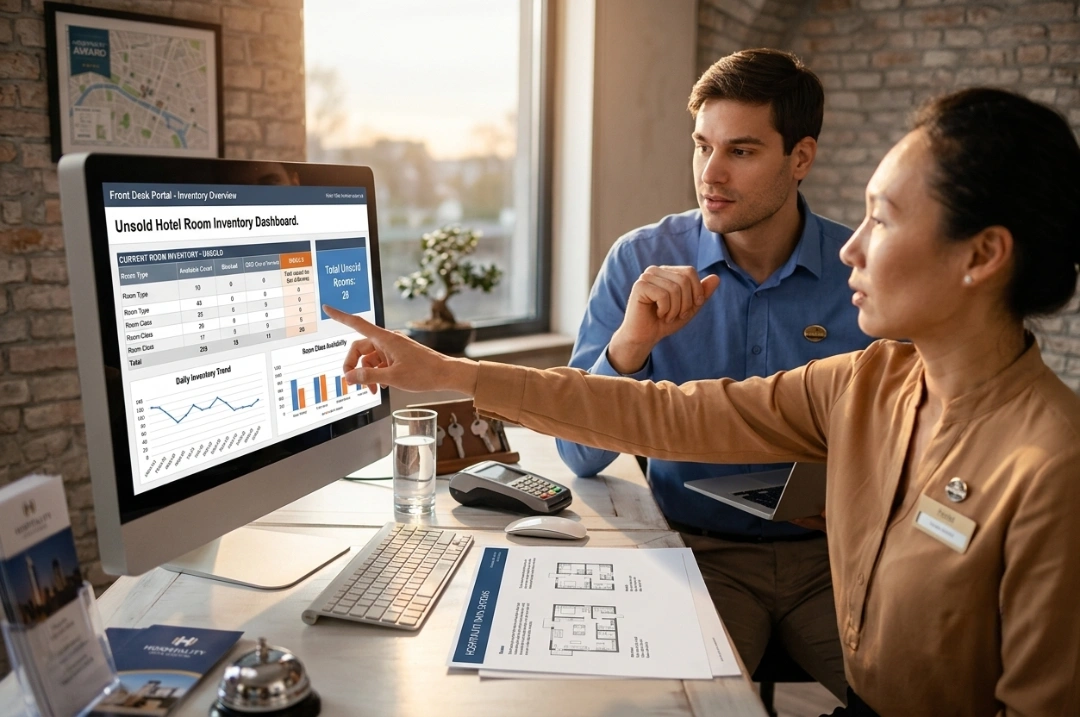
The front office handles check in, check out, billing, and most guest requests during a stay. It's the department guests interact with most directly. It's often the one that shapes a review the most.
Even a one person front desk still does this job. It just means the owner or a single staff member covers all of it. There's no dedicated team behind them.
Technology that supports front desk operations makes this job faster regardless of team size. Real-time availability and guest data remove most of the guesswork.
Housekeeping Keeps the Product Itself Ready to Sell
Housekeeping cleans and resets rooms and maintains public areas. It also handles inventory and safety reporting for the department. Without it, there's nothing ready to sell.
This topic deserves its own coverage rather than a summary here. This guide to housekeeping department duties and responsibilities breaks down the actual roles involved. That covers roles from room attendant to executive housekeeper.
Maintenance Protects the Physical Property
Maintenance handles repairs, preventive upkeep, and anything mechanical or structural. That ranges from a broken air conditioner to a leaking roof. It protects the physical asset itself.
Reactive maintenance costs more than preventive maintenance almost every time. A small property might handle this with one staff member or a contractor on call. A larger property usually needs a dedicated maintenance team and a documented preventive schedule.
Maintenance requests that get logged and tracked get fixed faster. Requests passed along verbally between shifts often get lost. That single habit prevents more guest complaints than most owners expect.
Food and Beverage Extends Revenue Beyond the Room
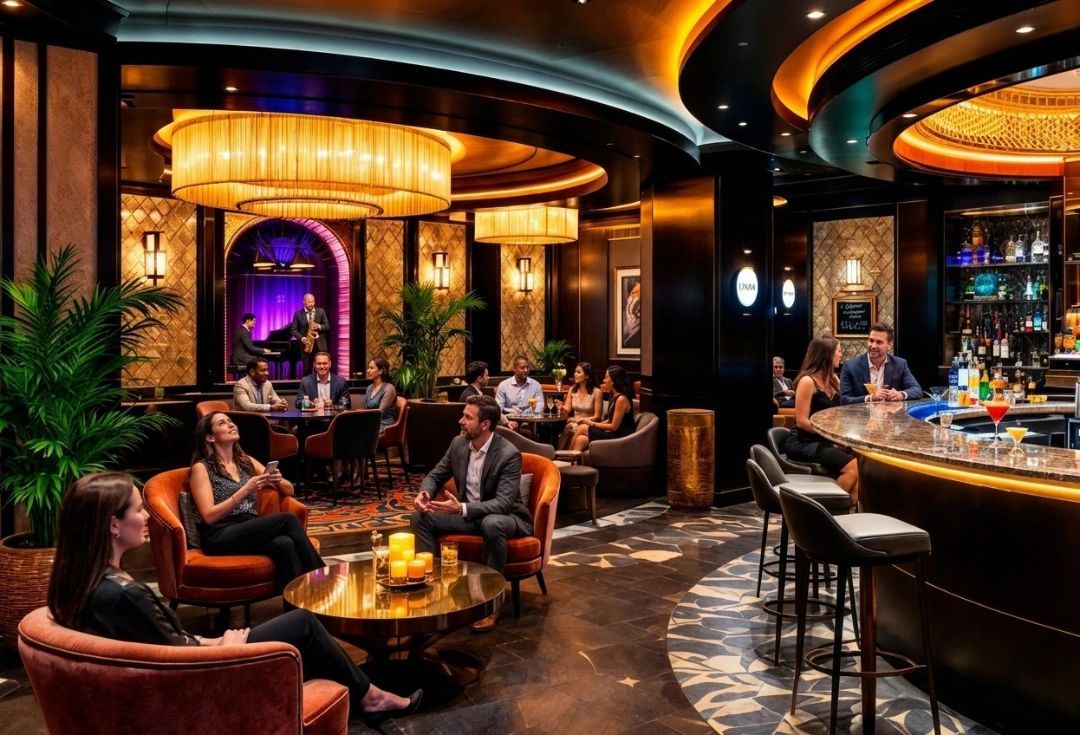
Food and beverage covers on-site dining, room service, and bar operations. Not every property runs this department. But the ones that do generate revenue beyond the room rate itself.
A small B&B's breakfast counts as food and beverage. That's true even without a formal restaurant attached. A resort's multiple dining venues are the same department at a much larger scale.
This department also connects most directly to the "adjacent sectors" idea covered next. Food and beverage sits partly inside accommodation. It also sits partly inside hospitality's own food service sector.
What's the Difference Between Commercial and Non-Commercial Accommodation?
Commercial accommodation operates to make a profit, while non-commercial accommodation exists for a different purpose, like a hospital or a religious retreat providing a place to stay.
Both categories provide a place to stay, but they exist for different reasons.
| Category |
Purpose |
Examples |
Competes With For-Profit Properties? |
| Commercial accommodation |
Operates to generate profit |
Hotels, motels, resorts, B&Bs |
Yes, directly |
| Non-commercial accommodation |
Provides lodging as part of a different mission |
Hospital housing, religious retreats, some university housing |
Rarely, different guest need |
This distinction matters most when an owner is sizing up local competition. A nearby retreat center or hospital guest house isn't a real competitor. It might technically offer a bed for the night.
It also matters for pricing research. Non-commercial accommodation often prices below market, since covering cost is the actual goal. Using their rates as a benchmark leads to underpricing a commercial property.
Most owners never need to think about this distinction day to day. It becomes useful when researching a local market. A non-commercial option showing up in the results is when it matters.
How Can Hotel Owners Grow Revenue Across Adjacent Hospitality Sectors?
Hotel owners grow revenue across adjacent sectors by treating food and beverage, events, and recreation as real opportunities rather than side services.
The accommodation sector doesn't operate in isolation. Most properties already touch one adjacent sector without treating it as a real revenue line:
- Food and beverage: an on-site restaurant, bar, or breakfast service guests pay for directly
- Events: weddings, small conferences, or gatherings that book rooms as a byproduct
- Recreation: a pool, spa, or activity desk that can be sold to non-staying guests too
Owners often treat these as costs to manage rather than revenue to grow. A hotel restaurant that only serves in-house guests is leaving local diners on the table. A property that only rents event space to guests already booking rooms misses outside bookings. That's real revenue left behind.
The easiest starting point is usually the closest sector. Pick whatever the property already does well. A property known for its restaurant has an easier path to local dining revenue. Building an events business from nothing is harder.
None of this requires becoming a different kind of business. It just means noticing which adjacent sectors a property already touches. Treat them as worth real investment.
How Should Hotel Owners Market and Distribute Their Accommodation?
Hotel owners market their accommodation by balancing OTA distribution for reach with direct booking channels that avoid commission and build guest relationships.
Getting guests to know your property exists is only half the job. Getting them to book directly is the other half. That beats going through an OTA that takes a cut.
OTAs solve a real problem. They put a property in front of travelers who wouldn't otherwise find it. That reach comes at a real cost, though. The commission adds up fast across a full season of bookings.
Direct bookings solve a different problem. They cost nothing per booking. They also build a guest relationship the property actually owns. That only works if the property is easy to find and book on its own.
Most owners need both channels working together. The real skill is shifting the mix over time. Direct bookings should grow as brand awareness and repeat guests grow. OTAs still provide reach worth keeping.
This guide to effective hotel distribution strategy covers how to balance both channels. It helps avoid over-relying on either one.
How Does roommaster Support Every Part of the Accommodation Sector?
roommaster helps hotels manage the accommodation sector's core departments by connecting front office, housekeeping, and guest data in one system that scales with property type.
Most of what this article covers comes together in day to day operations. Property type, departments, and adjacent revenue all connect there. That's exactly where a connected system matters most.
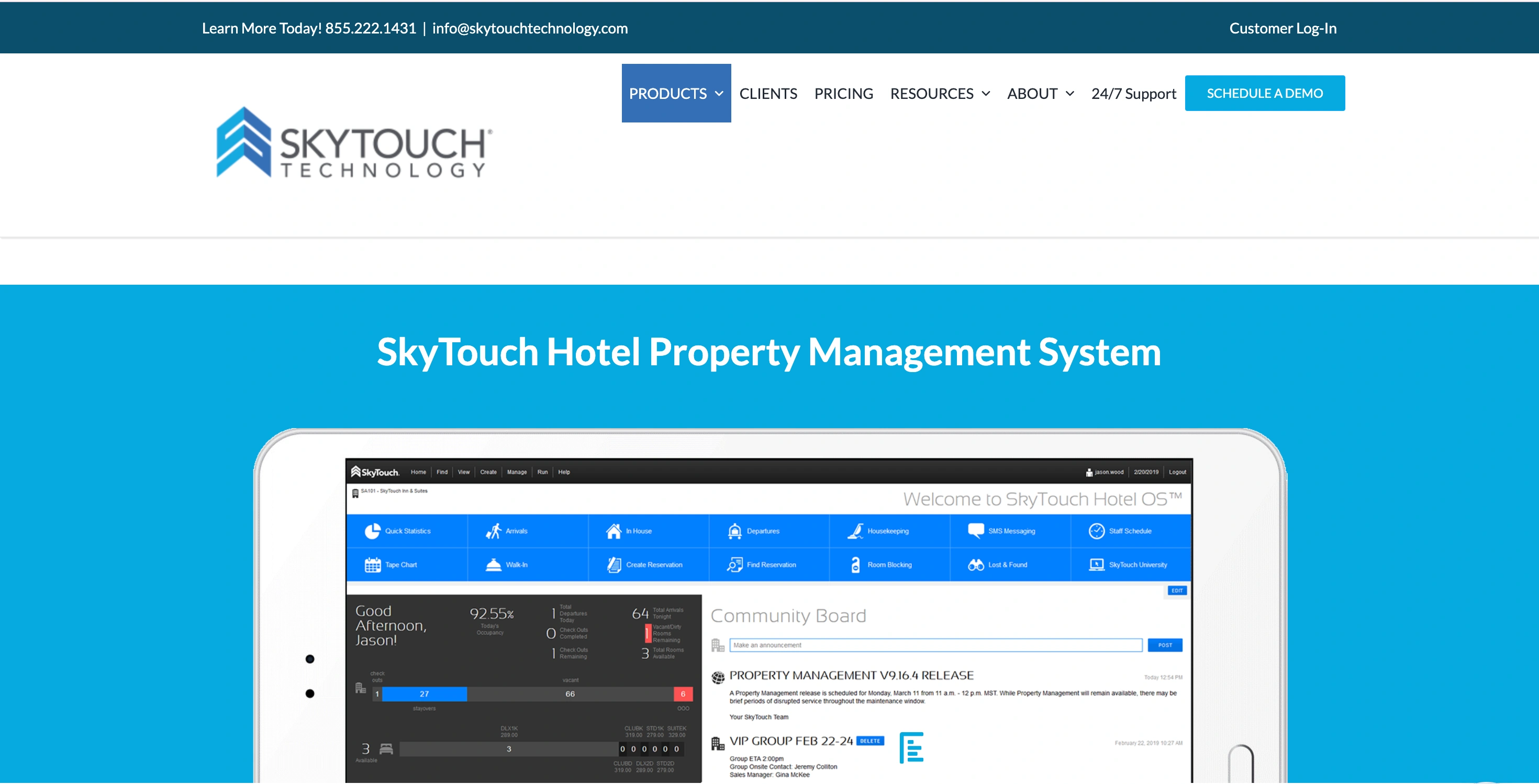
roommaster Hotel PMS covers the front office and housekeeping directly. Room status, reservations, and guest data stay in one place. That holds whether the property is a 20 room motel or a 200 room resort.
That same data supports the revenue growth question too. Knowing who's staying, for how long, and what they're paying helps with that decision. It's easier to judge whether a restaurant or event space is worth building out.
The system doesn't force every property into the same structure. A small independent hotel and a hotel group both run on the same platform. It's sized to how each one actually operates.
Hotels using roommaster report up to 40% fewer admin tasks. That frees up time for the revenue opportunities covered above.
See how roommaster Hotel PMS supports every department across the accommodation sector, or book a demo to see it on your own property.
Bottom Line
The accommodation sector is bigger than any one room type or department. Most of the revenue opportunity sits at the edges owners tend to ignore. Property size, department structure, and adjacent revenue all connect back to one question. Is the property capturing everything it's positioned to capture. Most properties leave some of that on the table without realizing it.
{{cta-strip}}
Frequently Asked Questions
1. What does the accommodation sector in the hospitality industry mean?
The accommodation sector in the hospitality industry means the part of hospitality that provides lodging.
2. What types of accommodation exist in this sector?
Hotels, resorts, motels, motor inns, hostels, and short-term rentals all fall under it.
3. Does property size matter as much as property type?
Yes, size changes department structure and revenue potential more than type alone does.
4. What departments run a typical accommodation business?
Front office, housekeeping, maintenance, and food and beverage cover most operations.
5. Can hotels grow revenue outside of room bookings?
Yes, food and beverage, events, and recreation all offer real revenue beyond room rates.
.png)
.png)
.png)