What Are the 7 Sectors of the Hospitality Industry?
The hospitality industry is made up of seven interconnected sectors: Lodging, Food and Beverage, Travel and Tourism, Entertainment, Recreation, Meetings and Events, and Timeshare and Vacation Ownership. Each one solves a different guest need, but inside a real property they rarely stay in their own lane.
A guest booking a weekend stay touches Lodging at check-in, Food and Beverage at breakfast, Recreation at the pool, and possibly Entertainment if there's a local event tie-in that night. At the industry level, these sectors sit side by side as categories. Inside one hotel, they show up as departments, vendors, or a single front desk team quietly covering more than one job.
Lodging
This part of the hospitality industry includes:
- Guest rooms, suites, and villas
- Property management systems (PMS) and reservation data
- Housekeeping and room turnover operations
- Guest folios and payment processing
- Loyalty programs and repeat-stay tracking
Lodging is the sector guests picture first when they hear "hotel," and it covers everything tied to occupying the room itself. It also happens to be the sector that carries the property's core margin. A well-run room operation typically runs far more profitably than any other part of the building, and consistently well-kept rooms protect the resale value of the real estate itself, not just tonight's rate.
A boutique property offering mobile check-in and a roadside motel running a walk-up front desk both live in this sector, just at opposite ends of complexity. Guests expect fast, low-friction check-in no matter the property size, which is exactly where most lodging complaints start. The recurring failure is a room getting sold before housekeeping has actually marked it clean, because reservation status and housekeeping status sit in two different places.
Service Standards: A guest should be able to check in within minutes, and a housekeeper should know a room's real-time status without a phone call to the front desk.
Food and Beverage
This part of the hospitality industry includes:
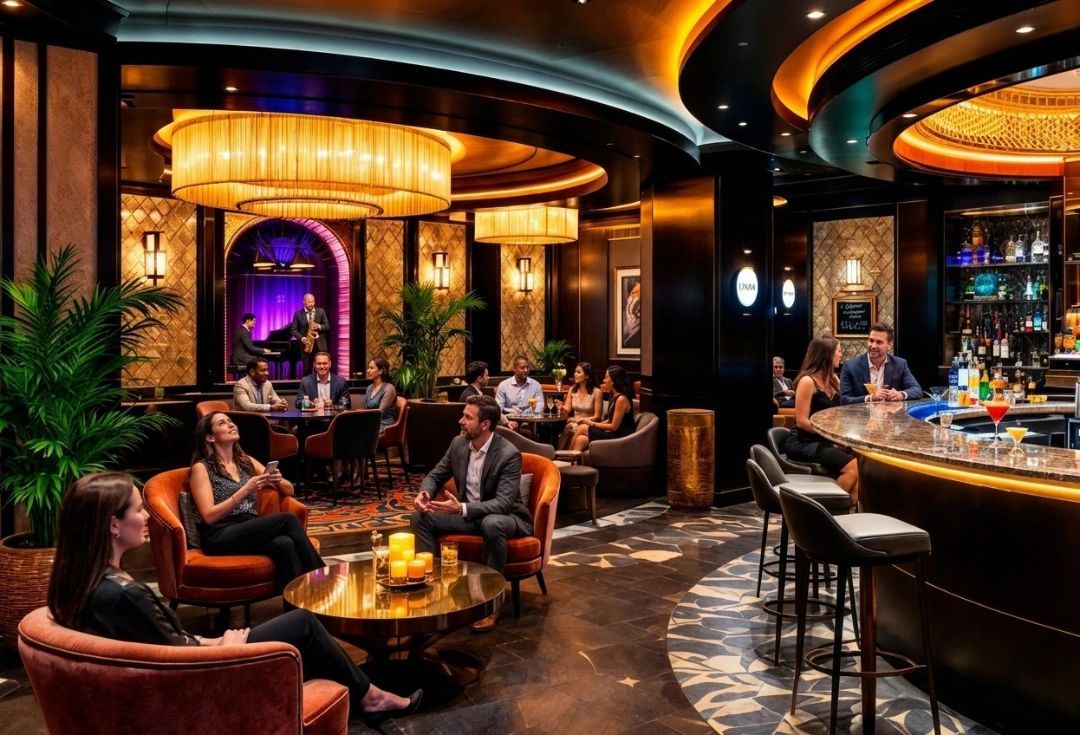
- On-site restaurants, bars, and cafes
- Room service and in-room dining
- Complimentary breakfast programs
- Banquet and catering menus tied to events
- Minibar and vending inventory
Food and Beverage covers every meal, drink, or snack a property sells, from a full restaurant down to a self-serve coffee station. This sector earns its keep by keeping guests spending on the property instead of walking off-site for every meal. A destination restaurant or a well-regarded hotel bar can go further and pull in local diners who never book a room at all, turning F&B into revenue that isn't tied to occupancy.
Guests notice fast when a promised breakfast is understaffed or a room service order never makes it to the kitchen correctly, and owners lose margin whenever F&B charges don't sync automatically to the guest folio.
Examples: A resort running a full-service restaurant, an independent hotel offering a hot breakfast buffet, and a motel's grab-and-go coffee counter.
Travel and Tourism
This part of the hospitality industry includes:
- OTA listings and channel distribution
- Travel agent and tour operator bookings
- Direct website and booking engine traffic
- Concierge services, shuttles, and local transport partnerships
- Destination marketing and metasearch visibility
Travel and Tourism is what actually brings a guest through the door. Handling the logistics around a stay, transport, tours, local recommendations, removes friction that would otherwise push guests toward doing it all themselves, and that's exactly what supports charging a stronger room rate. Referral relationships with local operators can add a steady secondary income stream on top of room revenue too.
The recurring pain point is a rate mismatch between channel manager that triggers an overbooking or quietly leaks revenue, and owners leaning too hard on OTAs end up trading margin for reach while losing the direct guest relationship altogether. A commission-free booking engine is how most properties claw that relationship back.
Service Standards: Rates and availability should update everywhere within minutes of a change, with no one manually re-entering the same number twice.
Entertainment
This part of the hospitality industry includes:
- Live music, shows, or themed nights
- In-house games, lounges, or activity spaces
- Ticketed local attractions and tour desks
- Kids' clubs and family programming
- Digital entertainment like smart TVs and streaming access
Entertainment is what gives a guest a reason to stay in rather than head out for the evening. Keeping guests engaged on-property tends to stretch the length of a stay, and it opens the door to smaller, high-margin purchases later at night, specialty drinks or merchandise a guest wouldn't buy if they'd already left the building.
Guests on leisure trips increasingly expect some form of engagement beyond the room, but a smaller property can rarely justify a dedicated entertainment budget or staff for it.
Examples: A resort hosting weekly live music, an independent hotel partnering with a nearby theater for guest discounts, and a motel offering free in-room streaming.
Recreation
This part of the hospitality industry includes:
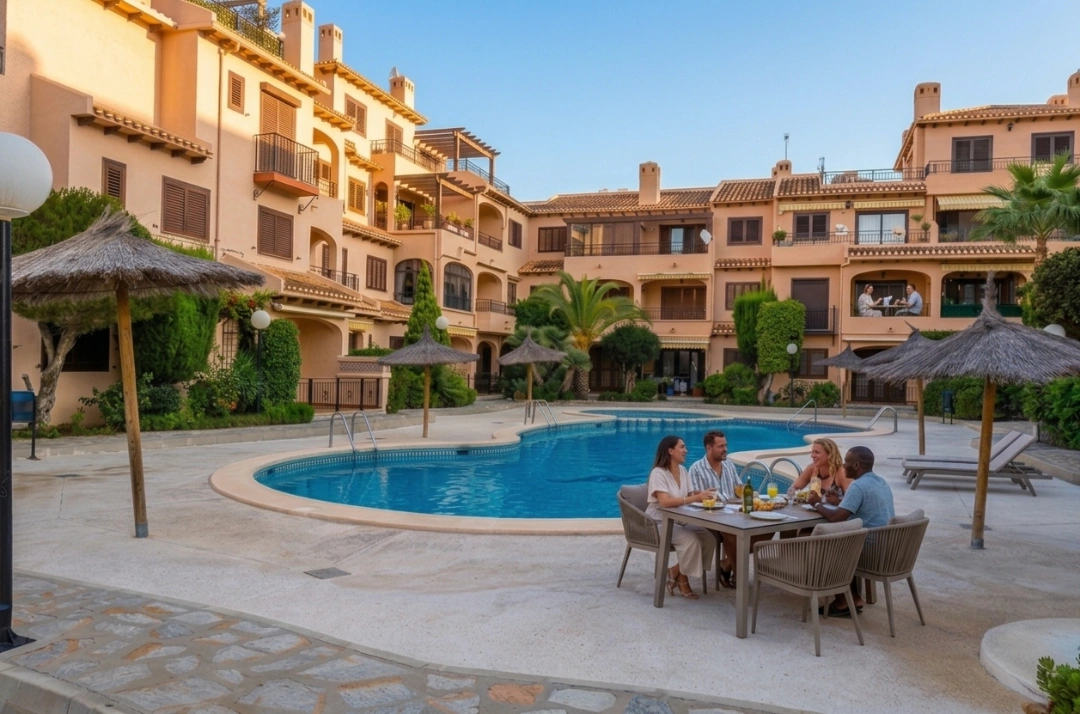
- Swimming pools and hot tubs
- Fitness centers and in-house gyms
- Spa and wellness services
- Golf, tennis, or other on-site sports facilities
- Outdoor activities like hiking trails or bike rentals
Recreation covers the physical amenities guests use to relax or stay active, and these amenities often justify bundling in a mandatory fee, turning shared facilities into an extra line of revenue per room. Strong spa or golf offerings can also pull in corporate travelers and locals during the slower midweek stretch, when leisure demand alone wouldn't fill the property.
Guests factor recreation heavily into where they book, which is exactly why it's one of the most complaint-prone sectors too. A resort's spa and golf course needs an entirely different upkeep budget than an independent hotel's small pool and fitness room, and maintenance is where properties of every size get caught out.
Service Standards: Any advertised amenity should be open, clean, and staffed during its posted hours, since a broken pool or closed gym does more damage to a review score than the amenity itself was ever worth.
Meetings and Events
This part of the hospitality industry includes:
- Conference and meeting room rentals
- Wedding and social event hosting
- Group room blocks and catering packages
- Audio-visual and event staffing support
- Corporate retreats and incentive programs
Meetings and Events, often shorthanded as MICE, is the group-business sector rather than the individual-leisure one.
Examples: A resort with a full banquet hall for weddings, an independent hotel offering a modest function room for local business meetings, and a hotel group hosting corporate retreats across properties.
Group and event bookings lock in room blocks months in advance, giving an owner a predictable revenue floor before the dates even arrive, and events tend to carry stronger margins than standard rooms once venue rental, AV fees, and catering minimums stack on top. The friction shows up in tracking: room blocks, F&B, and event space often live in separate systems, making it hard to see true profitability per event, so owners without dedicated tools default to spreadsheets and phone calls.
Service Standards: A group booking should reserve rooms, event space, and catering together, with one accurate invoice instead of three reconciled by hand.
Timeshare and Vacation Ownership
This part of the hospitality industry includes:
- Fractional and deeded ownership units
- Points-based vacation club systems
- Owner services and maintenance fee billing
- Resale and exchange program management
- Amenity access shared between owners and transient guests
Timeshare and Vacation Ownership is built around guests who own or hold long-term rights to stay, rather than booking one trip at a time. Selling ownership fractions can bring in a meaningful amount of capital upfront, which owners can put toward paying down development costs. Owners in a points-based system also tend to keep showing up regardless of season or economic conditions, since unused points expire, which helps keep occupancy steadier year-round.
The friction shows up fastest at the front desk, where staff end up switching between two systems just to check in an owner versus a transient guest.
Examples: A resort offering vacation ownership units alongside standard rooms, and a property running a points-based club for member reservations.
Real-World Examples of Each Hospitality Sector
Sectors are easier to recognize as actual businesses than as abstract categories, so here's what each one looks like in practice, from familiar setups to newer formats reshaping the space.
Common examples by sector
- Lodging: Independent hotels, motels, resorts, bed and breakfasts, and vacation rentals booked through an online platform.
- Food and Beverage: On-site restaurants and cafes, hotel bars, room service kitchens, and catering teams handling weddings or corporate events.
- Travel and Tourism: OTAs, travel agents, tour operators, and destination marketing partnerships that route guests to a property.
- Entertainment: Live music venues, themed guest nights, local attraction partnerships, and in-room streaming services.
- Recreation: Spas, fitness centers, swimming pools, golf courses, and outdoor activity rentals.
- Meetings and Events: Conference rooms, banquet halls, wedding venues, and corporate retreat spaces.
- Timeshare and Vacation Ownership: Fractional ownership resorts, points-based vacation clubs, and mixed-use properties combining owned units with transient rooms.
Niche formats reshaping the lodging sector: Alongside the traditional categories, a growing set of concepts is stretching what "lodging" even means. Capsule hotels and poshtels (upscale hostels) target budget-conscious travelers who still want a design-forward stay. Glamping providers and houseboat rentals turn outdoor or waterfront settings into bookable lodging without a conventional building. Historical manor stays convert existing heritage properties into boutique accommodation, and luxury wellness retreats build the entire stay around a spa or health program rather than a room. Even ghost kitchens, delivery-only food operations, are starting to show up as an F&B model some properties lease out rather than staff themselves.
How the 7 Sectors Play Out Differently by Property Type
Resorts: The All-Sector Ecosystem
Resorts are built to be self-contained destinations, so they operate in nearly every one of the seven sectors under a single brand, aiming to capture as much guest spending on-site as possible.
Lodging leans toward premium, longer stays paired with high-end amenities. Food and Beverage typically spans multiple restaurants, a swim-up bar, and full room service rather than one concept. Recreation and Entertainment become the main draw, showing up as golf courses, spas, and nightly programming rather than a side amenity. Meetings and Events regularly means destination weddings and large corporate conferences, and Timeshare often runs as a dedicated wing of the property for fractional owners.
Independent Hotels: The Curated, Localized Experience
Independent hotels don't have corporate scale behind them, so they combine a narrower, deliberate set of sectors to build an experience a chain can't replicate.
Lodging centers on distinct design and a level of personal service that feels handmade rather than standardized. Food and Beverage usually takes the form of one destination restaurant or rooftop bar, often built around a local chef rather than a house brand. Travel and Tourism leans on local tour operators, neighborhood guides, and shuttle relationships to connect guests to the surrounding area. Meetings and Events stays intentionally small: an art gallery evening, a boutique brand launch, or a micro-wedding, prioritized for margin over volume.
Motels and Vacation Rentals: The Streamlined Utility Model
Motels and small vacation rentals run on a lean, low-overhead model, keeping only the sectors that match what a guest at that price point actually expects.
Lodging is built for frictionless, short overnight stays, often through exterior-corridor rooms designed for quick turnover. Food and Beverage rarely goes beyond vending machines, lobby coffee, or a basic continental spread. Travel and Tourism plays out through location rather than marketing, sitting along highway exits and transport corridors where road travelers are already passing. Recreation and Entertainment are typically skipped entirely, aside from a basic outdoor pool some properties keep to attract families on road trips.
| Sector | Resorts | Independent Hotels | Motels / Vacation Rentals |
|---|
| Lodging focus | Luxury and extended stays | Distinct themes, local character | Low-cost convenience |
| Food and Beverage | Multiple venues, high variety | One strong, focused concept | Minimal: vending or light breakfast |
| Recreation/Entertainment | Core draw: spa, golf, nightly shows | Curated through local partnerships | Rarely offered beyond a basic pool |
| Event capability | Large-scale weddings and conferences | Small, boutique gatherings | Not typically offered |
How Many of the 7 Sectors Does Your Property Actually Operate In?
Most owners have never counted this. A quick way to check is to list every guest-facing service the property runs and match each one to a sector.
| Property Profile | Sectors Active |
|---|
| Independent hotel with a basic breakfast service | Lodging, Food and Beverage, Travel and Tourism |
| Independent hotel with a restaurant and event room | Lodging, Food and Beverage, Travel and Tourism, Meetings and Events |
| Resort with pool, spa, and banquet space | All seven sectors |
| Property with vacation ownership units | Lodging, Travel and Tourism, Timeshare and Vacation Ownership, plus any added amenities |
Pro Tip: Run this count once a year, not just at renovation time. Adding a small event package or a fitness room quietly adds a full sector's worth of operational complexity, even if it feels like a minor amenity update.
What Sector Overlap Actually Costs an Independent Owner
Consider an independent hotel that added a small restaurant and a modest function room over the past two years, without ever consolidating its systems. The property is now active in four sectors, but runs on:
- A separate reservation system for rooms
- A standalone POS for the restaurant
- A paper or spreadsheet process for booking the function room
- No shared guest profile between any of them
The result is a front desk team manually checking three places to confirm what a guest has booked, a kitchen that doesn't see event catering orders until someone walks it over, and an owner who can't easily see whether the event room is actually profitable once staffing and F&B costs are counted.
Why Sector Overlap Is a Technology Problem, Not a Staffing One
Owners often respond to this fragmentation by hiring more coordinators or asking existing staff to manually bridge the gap between systems. That treats a systems problem as a people problem, and it doesn't scale as the property adds sectors.
roommaster PMS brings this exact structure together, giving an owner reservations, front desk, housekeeping, and accounting in one platform instead of several disconnected ones, backed by 270+ built-in reports that show performance across every sector a property operates in. It's the same pattern shown across the roommaster blog: properties gaining ground are consolidating systems, not adding headcount.
"We evaluated a dozen systems, and nothing came close to how easy roommaster is to use. From managing bookings and rates to payments and guest communication, it's transformed how we run our entire operation." - Stacie Dodson, General Manager at Harrison Hall Hotel
If your property already touches four or more of these sectors, see how roommaster PMS brings them under one system.
Bottom Line
The 7 sectors of the hospitality industry aren't abstract categories. They describe departments most independent properties already run, often without realizing how many they've taken on. The owners who map their sector overlap early are the ones who catch fragmented systems before those systems start costing them revenue.
{{cta-strip}}
Frequently Asked Questions
1. What are the 7 sectors of the hospitality industry?
The seven sectors are Lodging, Food and Beverage, Travel and Tourism, Entertainment, Recreation, Meetings and Events, and Timeshare and Vacation Ownership.
2. Which sector employs the most people?
Lodging and Food and Beverage together employ the largest share of hospitality workers, since nearly every property operates in at least one of them.
3. Do resorts, independent hotels, and motels use all 7 sectors the same way?
No. Resorts typically operate in all seven, independent hotels combine three or four deliberately, and motels focus mainly on lodging and travel distribution.
4. Can one hotel operate in more than one sector?
Yes. Most properties beyond a basic motel already operate in three or more sectors, often without formally recognizing the overlap.
5. How can a hotel manage operations across multiple sectors?
A unified PMS connects reservations, F&B, events, and reporting into one system, replacing the separate tools most fragmented properties rely on.

.png)
.png)
.png)